
The Philippine sash, not mixed heritage, defines the country’s pageant supremacy.
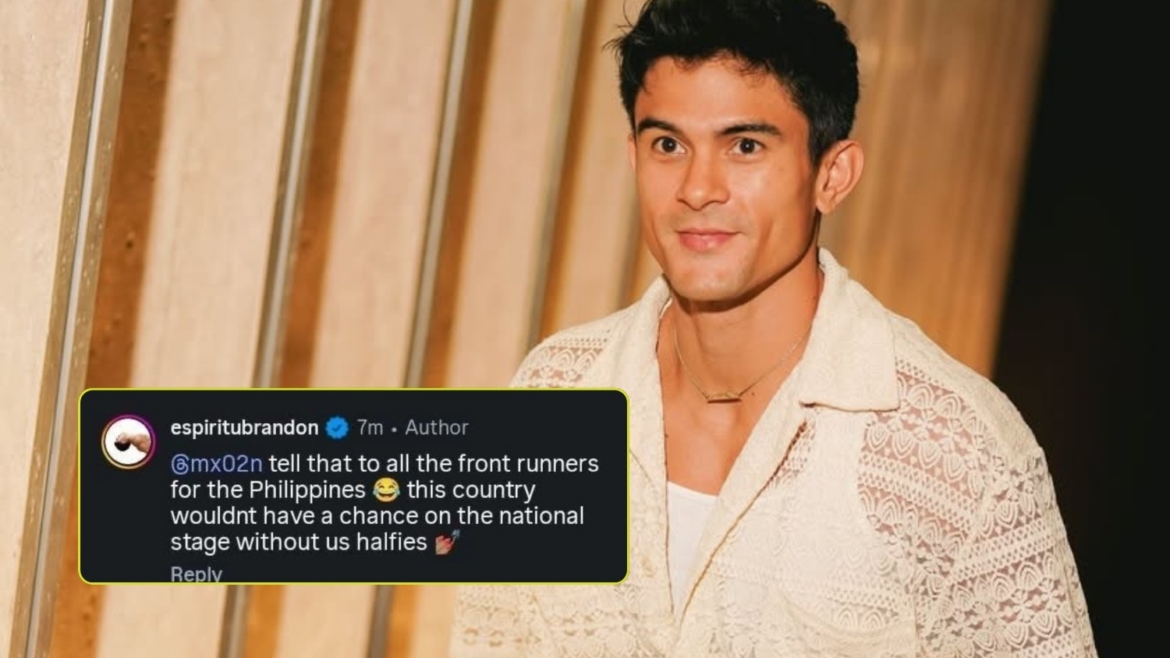
The problem with Brandon Espiritu’s statement is not that it offended people. The problem is that it fundamentally misunderstands why the Philippines is a pageant superpower.
To say that the country “wouldn’t have a chance” on the international stage without half-Filipino candidates ignores decades of pageant history and diminishes the enormous machine that turns Philippine representatives into frontrunners.
The reality is simple: it is not the bloodline that creates a contender.
It is the Philippine sash.
The Philippines was winning long before the age of ‘halfies’
Before mixed-race contestants became common in Philippine pageantry, Filipinos were already conquering the international stage.
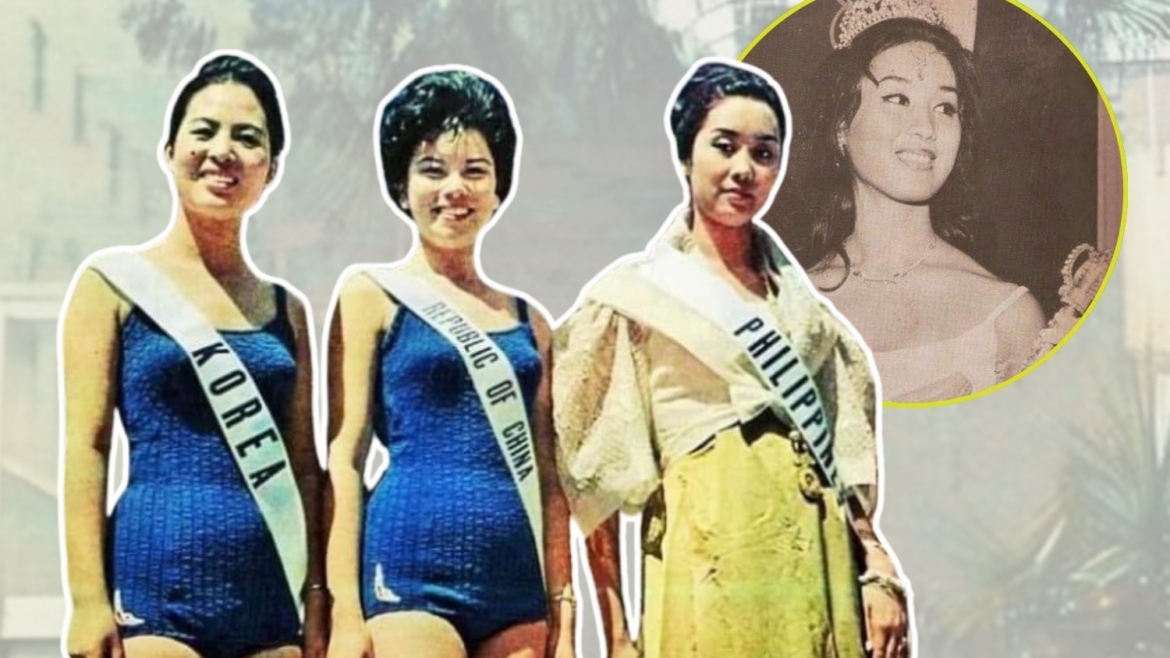
The country produced two Miss Universe winners: Gloria Diaz in 1969 and Margarita Moran in 1973. We also produced three Miss International winners: Gemma Cruz-Araneta in 1964, Aurora Pijuan in 1970, and Melanie Marquez in 1979.
Even when Filipinos were not winning crowns, they were consistently making finals and placing among the best in the world.
The same story happened in male pageantry. During the 2010s, Filipino men dominated global competitions such as Manhunt International and Mister International. These victories were not built on mixed ancestry. They were built on preparation, charisma, and the strength of the Philippine pageant system.
The notion that the Philippines only became competitive because of “halfies” simply collapses under the weight of history.
The Philippine sash is one of the most powerful in pageantry
The modern era of Philippine pageant dominance can be traced to one woman: Venus Raj.
When she finished fourth runner-up at Miss Universe 2010, she reignited a sleeping giant. Her success was followed by Shamcey Supsup, Janine Tugonon, Ariella Arida, and Mary Jean Lastimosa, who restored the country’s reputation as a pageant powerhouse.
Then came the crowns.
Megan Young became the first Filipina Miss World in 2013.
Pia Wurtzbach ended the country’s 42-year Miss Universe drought in 2015.
Kylie Verzosa won Miss International in 2016.
Catriona Gray captured Miss Universe in 2018.
Mutya Datul delivered the Philippines’ first Miss Supranational crown in 2013, later followed by numerous strong placements that cemented the country’s reputation in the competition.
The Philippines also produced Miss Grand International titleholders Emma Mary Tiglao and Christine Juliane Opiaza, the latter assuming the crown following the dethronement of the original winner. The country has likewise amassed multiple Miss Earth crowns through queens such as Karla Henry, Jamie Herrell, Angelia Ong, and Karen Ibasco.
Today, when a Philippine candidate enters an international pageant, organizers, judges, and competitors pay attention.
That is the power of the sash.
The Philippine sash comes with an army
Many countries send candidates.
The Philippines sends an entire ecosystem.
A Philippine representative enters a competition backed by some of the world’s best pageant trainers. Pasarela coaches refine every step. Communications experts sharpen every answer. Personality mentors prepare candidates for media interviews and pressure situations.
Behind every Philippine delegate is an army of designers, stylists, makeup artists, hairstylists, photographers, videographers, costume makers, creative directors, and branding specialists.
The national costume alone often requires months of planning and execution.
Most countries simply do not have that level of support.
The fans are part of the formula
No discussion about Philippine pageantry is complete without talking about Filipino pageant fans.
They are among the most passionate in the world.
They create promotional materials. They trend hashtags. They organize online campaigns. They spend on voting platforms. They fly abroad carrying Philippine flags. They pack venues. They make noise.
In some international pageants, Filipino supporters are so visible that they become part of the experience itself.
That kind of support creates momentum and visibility that many contestants from other countries never receive.
The money and support system matter
Pageants are expensive.
Gowns cost money. Travel costs money. Styling costs money. Content production costs money.
Philippine candidates often benefit from sponsors, businesses, local government units, pageant organizations, and private supporters willing to invest in their journey.
Many candidates from other countries do not have access to the same resources.
This support system gives Philippine representatives a competitive advantage before they even step onto the stage.
Even our most famous ‘halfies’ know this
Pia Wurtzbach knows it.
Catriona Gray knows it.
Megan Young knows it.
None of these women built their success solely on their mixed heritage.
They have repeatedly acknowledged the Filipino mentors, designers, handlers, supporters, and fans who helped shape their victories.
They understood that winning a pageant is never a solo effort.
It is the result of a nation rallying behind a candidate.
The sash makes the frontrunner
This is the truth that Brandon’s statement missed.
An average-looking halfie can become a pageant frontrunner wearing the Philippine sash.
An average-looking full-blooded Filipino can become a pageant frontrunner wearing the Philippine sash.
Because what judges see is not merely a face or a genealogy chart.
They see the reputation of a country that has spent decades building one of the most successful pageant cultures on Earth.
The Philippines was winning before the age of halfies.
The Philippines will continue winning after this controversy fades away.
Because the real advantage was never being a halfie.
The real advantage was carrying the Philippine sash.
READ:
FLASHBACK: She wore a Maria Clara to a swimsuit press parade—and won anyway
radar Lifestyle
June 12, 2026
Brandon Espiritu’s ‘halfies’ remark sparks debate, fellow beauty queens respond
Kiko Escuadro
June 11, 2026
EXPLAINER: What happens when a celebrity gets cancelled?
radar Lifestyle
June 12, 2026