The death of a 10-year-old boy in Samar has renewed calls to address gaps in healthcare access, as many Filipinos outside major cities continue to face long journeys to critical medical care.
A patient in Metro Manila and a patient in a remote province deserve the same chance of surviving a medical emergency.
But in the Philippines, where even basic healthcare can fail its citizens, that chance becomes deeply disproportionate.
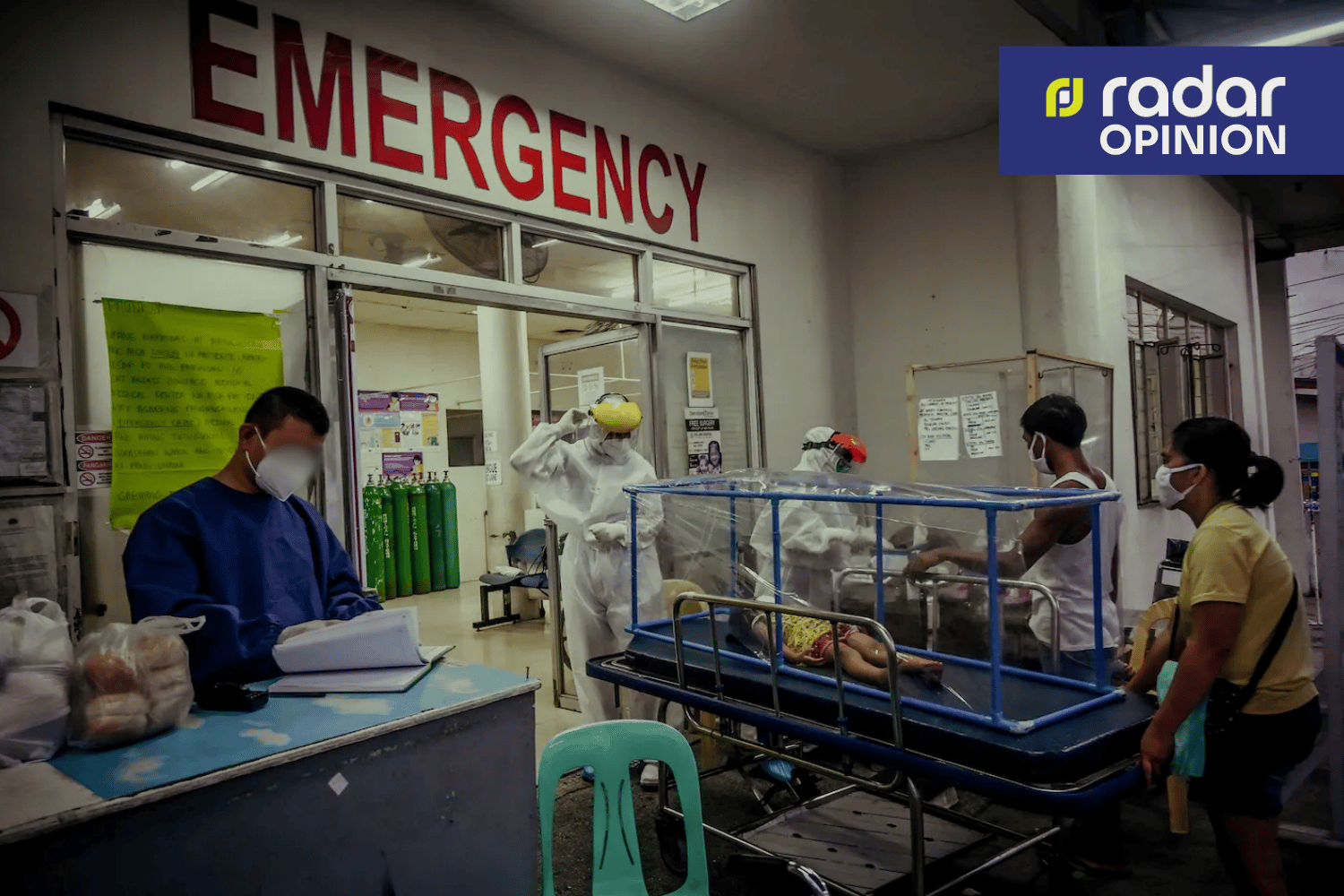
The death of a 10-year-old boy in Samar has resurfaced difficult, yet familiar, questions about the country’s healthcare system after his grieving mother described hours spent trying to transfer him to a better-equipped hospital.
For many families outside major cities, reaching appropriate medical care remains a challenge.
Not every provincial hospital has an intensive care unit. Many patients still need to be referred to regional medical centers hours away, where every minute lost during the journey can mean the difference between life and death.
Aside from infrastructure, the Philippines continues to struggle with a shortage of healthcare workers. According to the Second Congressional Commission on Education, the country has only 21.2 healthcare workers for every 10,000 people, less than half of the 44.5 recommended by the World Health Organization.
That translates to an estimated shortage of nearly 290,000 health professionals nationwide.
When there are too few doctors, referrals take longer. When there are too few nurses, emergency rooms become overstretched.
Barangay health workers deserve more support
When hospitals in far-flung provinces lack specialists and equipment, patients are forced to travel farther while racing against time.
But even before reaching a hospital, many Filipinos rely first on barangay health workers (BHWs). Mostly volunteers, they monitor pregnant mothers, vaccinate children, conduct home visits, and provide basic healthcare in communities that may not even have a resident doctor.
Republic Act No. 7883, or the Barangay Health Workers’ Benefits and Incentives Act of 1995, entitles BHWs to monetary incentives and other benefits.
Yet many barangay health workers continue to receive modest honoraria, or none at all, despite serving as the country’s frontline health workforce.
But healthcare workers themselves are not the problem. Throughout the pandemic, they proved they were willing to serve despite long hours, low pay, and personal risk. Still, many continue to ask what the system has done to fully support them.
The Universal Health Care Act of 2019 promised that quality healthcare would become more accessible to every Filipino. But seven years after the law was enacted, access to healthcare still depends heavily on geography.
No Filipino should have to wonder whether the nearest ICU is hours away. No parent should have to spend precious time looking for transport while a child fights for every breath.
And no family should feel that surviving an emergency depends more on where they live than on the healthcare system that was built to protect them.
READ: