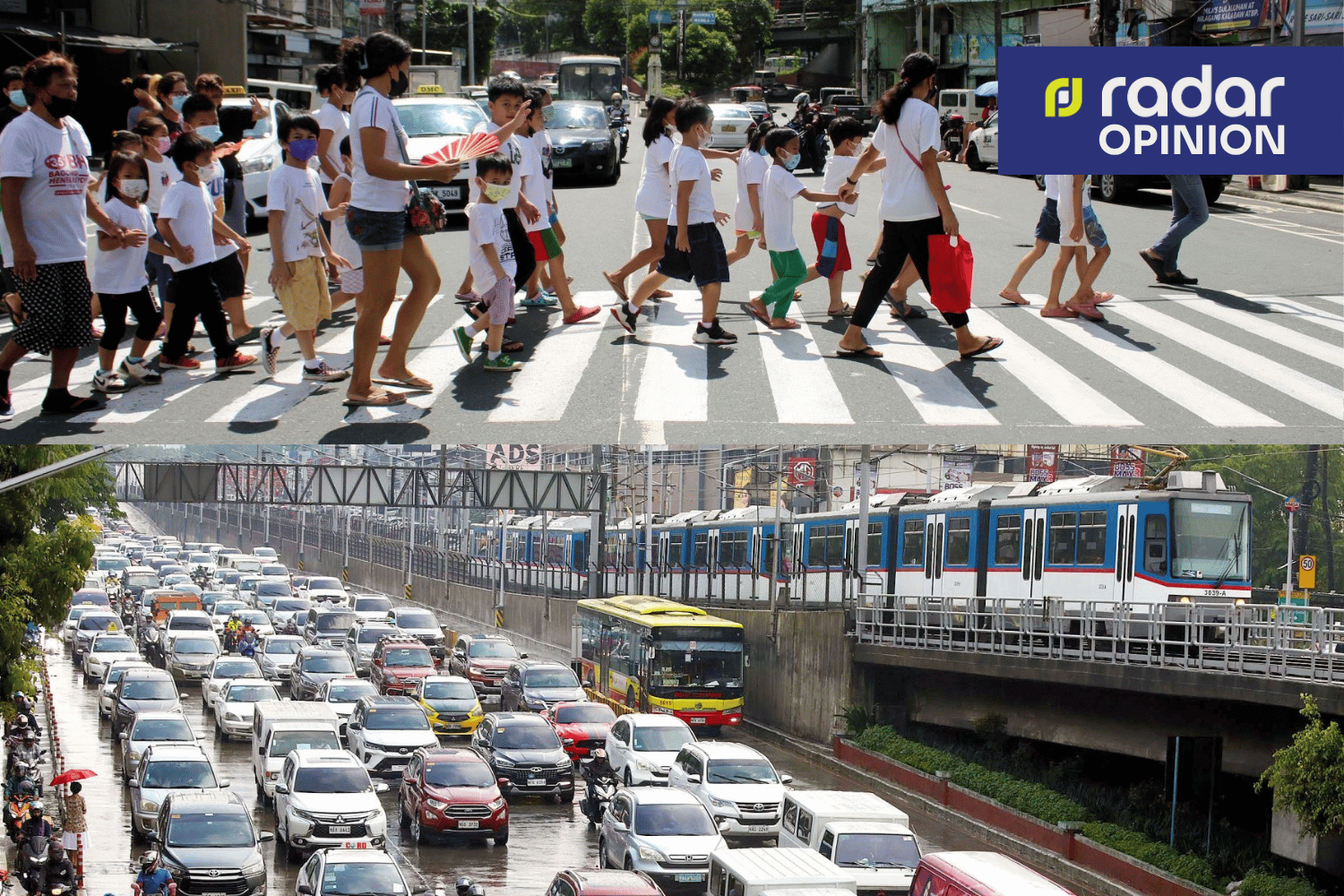
Nearly every trip begins and ends on foot, making pedestrian infrastructure a key part of improving daily travel.
Whether riding a jeepney, bus, train, UV Express, or even driving a private vehicle, every Filipino eventually becomes a pedestrian.
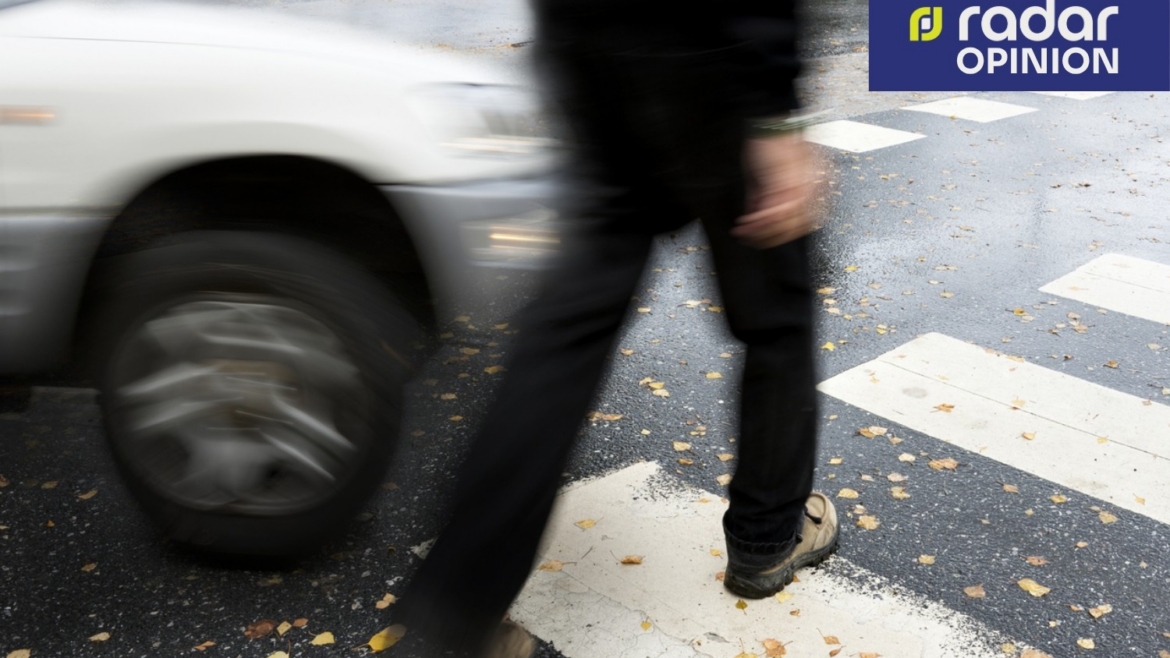
Yet as cities like Metro Manila continue to prioritize vehicles over people, walking has become more difficult, less comfortable, and increasingly unsafe. Sidewalks are often treated as an afterthought, despite serving millions of commuters every day.
The issue resurfaced after the Department of Public Works and Highways began another phase of the EDSA rehabilitation project, which includes widening and improving sidewalks alongside road repairs.
While some questioned why wider sidewalks were necessary when fewer people walk along EDSA, arguing that the space would be better used for additional vehicle lanes, others countered that the lack of pedestrians is precisely the result of decades of car-centric planning.
“People don’t walk because there’s barely anywhere comfortable to walk,” a netizen wrote.
But the discussion goes beyond EDSA.
According to the World Bank, Metro Manila records around 22.5 million motorized trips every day, with roughly 70% made through public transportation. That means millions of commuters still rely on sidewalks, footbridges, crossings, and transport terminals as part of their daily journeys.
Whether someone takes public or private transportation, they almost always become a pedestrian at some point during the trip. Improving sidewalks, crossings, and other walking spaces is therefore not just about people who choose to walk. It is about making daily commutes safer and easier for millions of Filipinos.
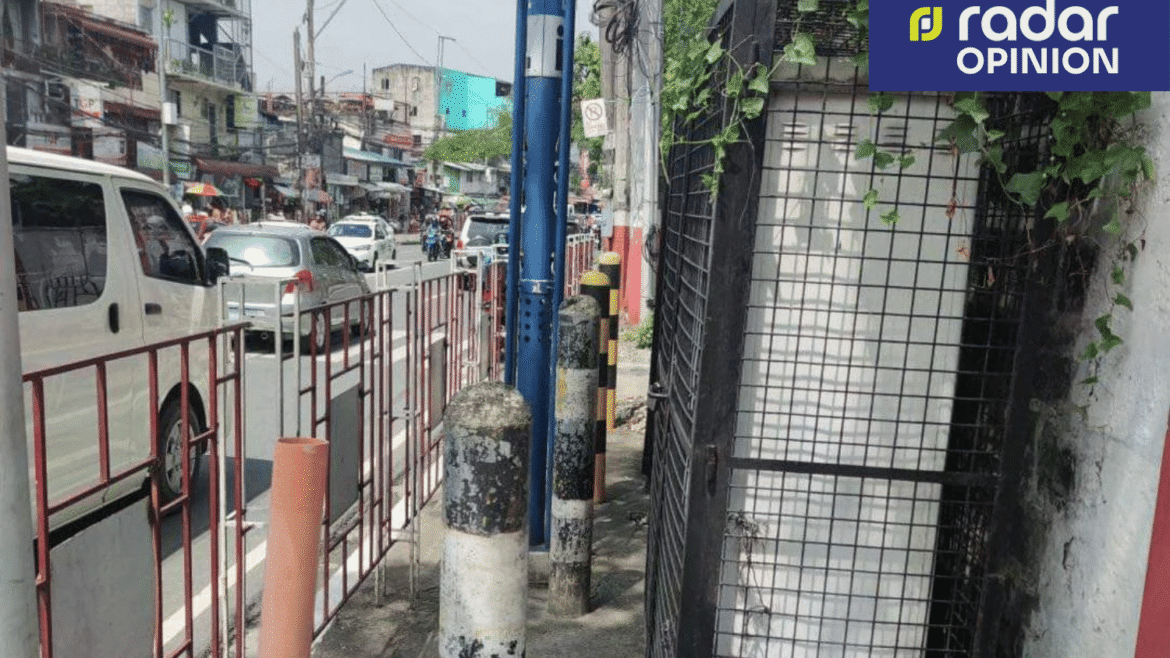
Yet pedestrian infrastructure often tells a different story. Sidewalks are frequently blocked by parked vehicles, utility poles, vendors, or uneven pavement. In some areas, they disappear entirely, forcing people onto busy roads. The situation becomes even more difficult for senior citizens, persons with disabilities, pregnant women, and parents with young children.
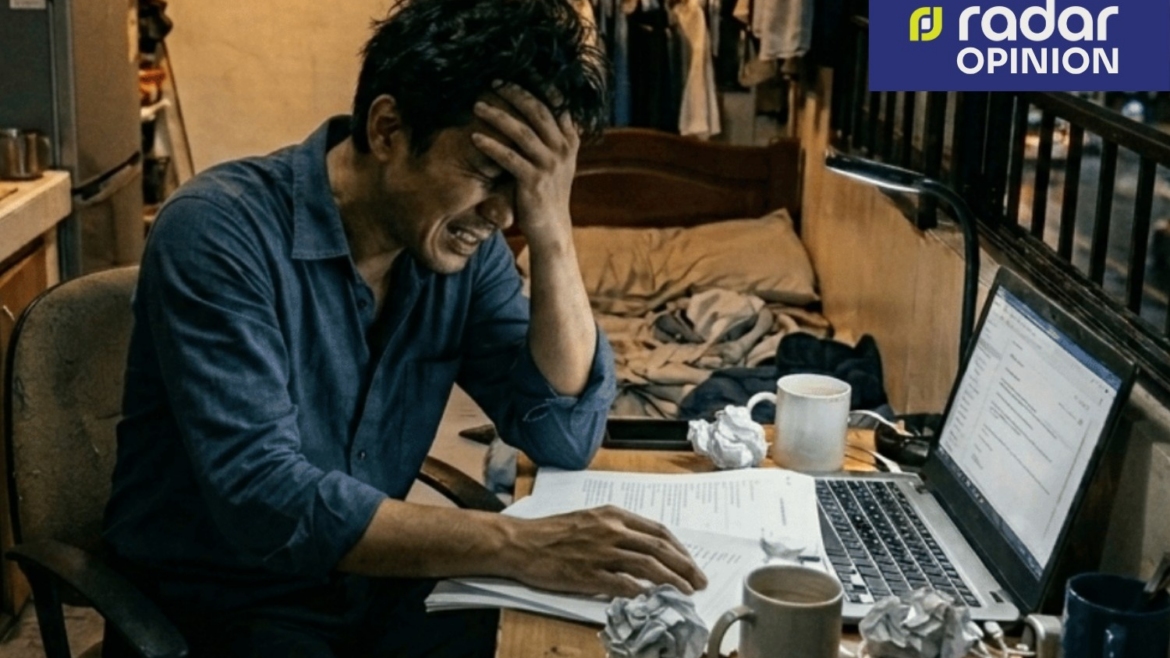
The World Bank also estimates that traffic congestion already costs Metro Manila around ₱2.4 billion every day. Without major transport reforms, that figure could rise to ₱6 billion daily by 2030.
It also found that some commuters spend more than two hours traveling just eight kilometers, especially during rush hour.
Expanding roads alone cannot solve traffic congestion.
Roads also influence behavior. When sidewalks are narrow, obstructed, or disconnected, fewer people use them. Improving pedestrian spaces is not simply about responding to existing demand. It can also encourage more people to walk where it is practical to do so.
Philippine cities have largely developed around private vehicles, contributing to congestion and unequal access to mobility. Improving conditions for pedestrians, cyclists, and public transport users is part of building more accessible and efficient cities.
The debate is often framed as a choice between wider sidewalks and more lanes for cars. But if every commuter becomes a pedestrian sooner or later, making room for people is not taking space away from transport. It is improving the journey for the millions who rely on it every day.
READ: