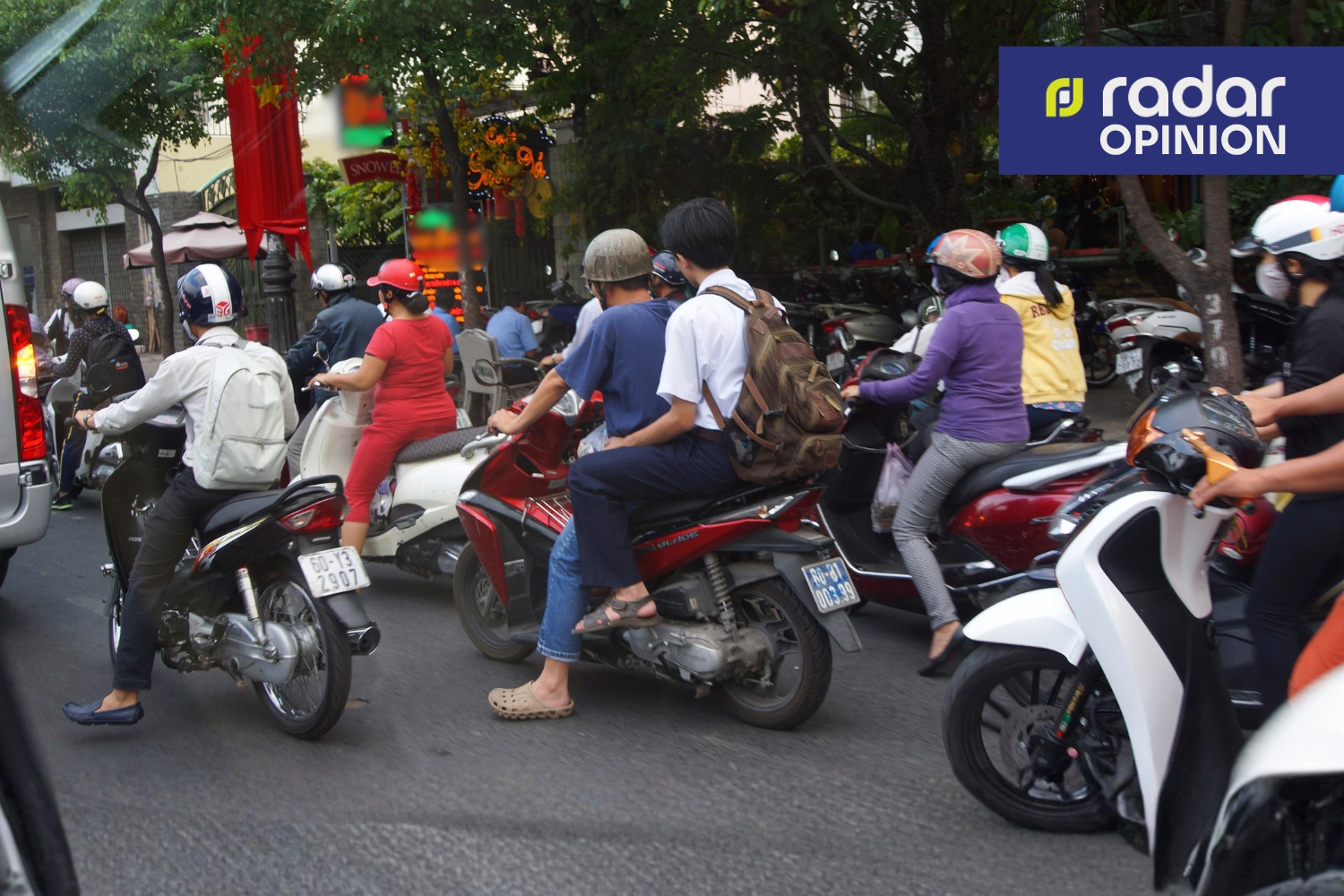
A preliminary decision from the Land Transportation Franchising and Regulatory Board (LTFRB) shows a penalty of more than half a billion pesos on a motorcycle taxi operator for supposedly exceeding its allocated rider cap. That’s a hefty price to pay for a company operating in a transport market where demand for motorcycle taxis has grown beyond what regulators originally anticipated.
And that’s where I have a bone to pick with the policy.
The rider cap was established when motorcycle taxis were still operating under a pilot program in 2019. Seven years later, the country is dealing with a very different transportation landscape. Commuters continue to contend with traffic congestion, inadequate public transportation, and the daily struggle of getting from one place to another without spending too much time or money.
Motorcycle taxis have since become a practical part of that equation. They have become a necessary option when buses and trains cannot take commuters close enough to their destinations or when every minute counts.
I’ve found myself relying on motorcycle taxis, too. They’re often the easiest way to get from Point A to Point B with minimal hassle, usually in 30 minutes or less. That’s a convenience many commuters have come to appreciate, particularly in a city where even relatively short distances can take a frustrating amount of time to cover.
Transportation Secretary Vince Dizon has acknowledged this reality, calling for the removal of the existing limits because they no longer reflect commuter demand. It’s a position I can see myself supporting.
The Coalition of Filipino Commuters made a similar point, arguing that restricting motorcycle taxi supply does little to address the underlying shortage of public transportation. Instead, it risks making an already difficult commute even more inconvenient.
The livelihood of thousands of motorcycle taxi riders is another consideration. Many have come to rely on these platforms for income, with the flexibility to work around other responsibilities and earn on their own schedules.
Meanwhile, the Motorcycle Taxi Community Philippines wants riders to have greater freedom to choose which platforms they work with. Its position is that companies should compete for riders by offering better incentives, earnings, and benefits.
That’s a point that needs serious consideration. Competition should encourage platforms to offer better conditions, not leave riders with fewer choices.
Of course, removing the cap shouldn’t mean removing regulation. Safety requirements, proper training, insurance coverage, and accountability must remain non-negotiable. The government has every reason to ensure that passengers are protected and that operators meet clear standards. The LTFRB’s responsibility to enforce existing rules also cannot simply be dismissed.
But limiting the number of people who can provide a service simply because an old allocation says so is a different matter.
Regulation should respond to the needs of the public, not force the public to adjust to outdated rules. If demand has grown, the government should examine how the industry can accommodate it safely and fairly.
A penalty of more than half a billion pesos might enforce a number written into an existing policy. It won’t put more commuters on the road, shorten their waiting time, or give more Filipinos an opportunity to earn.
The point is not to give motorcycle taxi companies a free pass. It’s to make sure the rules governing them still make sense for the people who depend on their services.
That’s the point.