Rising cyclist numbers in Metro Manila, Cebu, and Marikina show why cities need safer, connected bike networks.
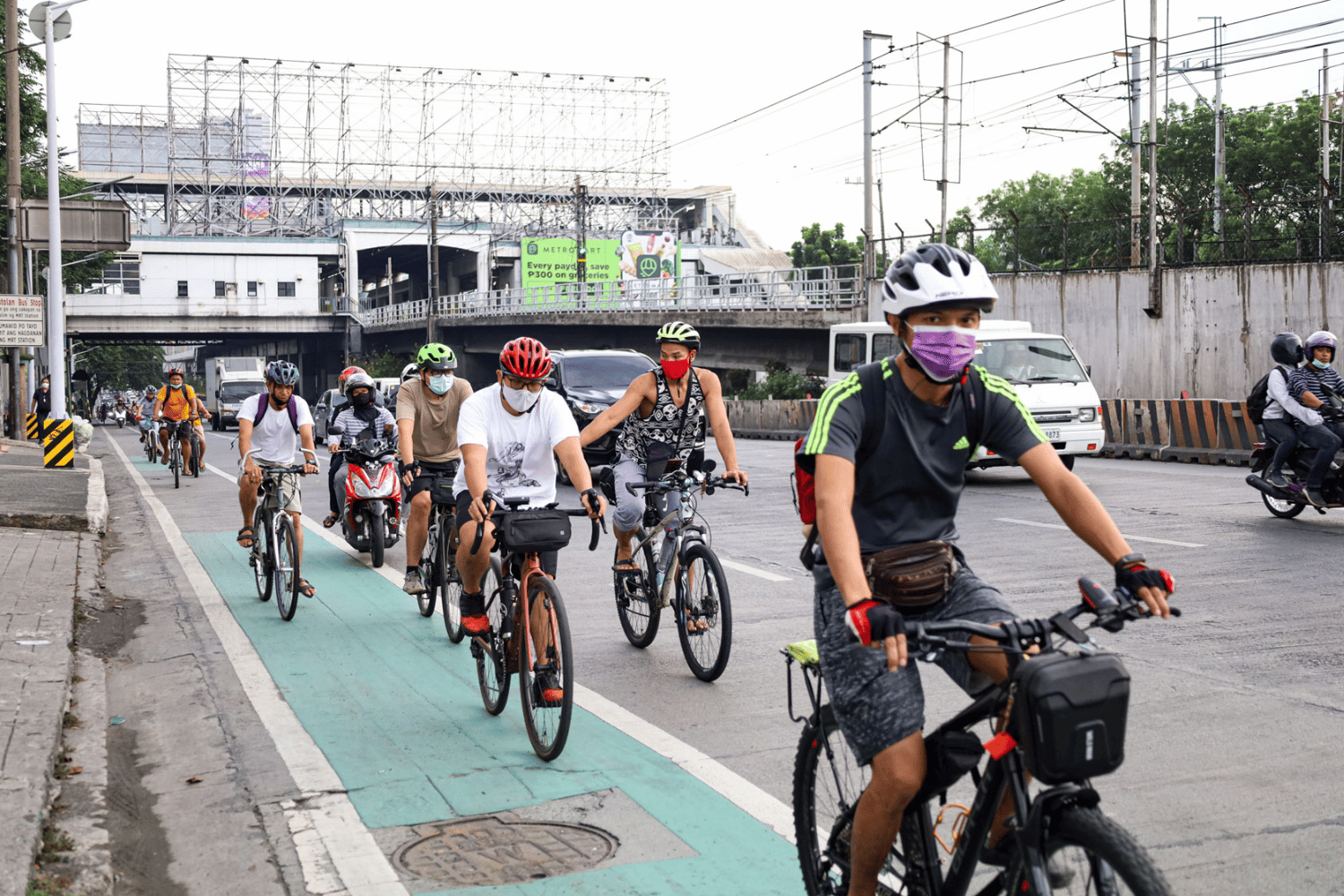
A bike ride through Metro Manila can be a test of patience, with cyclists weaving past rushing cars, potholes, parked vehicles, and bike lanes that can be obstructed or difficult to traverse.
That is becoming a concern as more people choose bicycles for daily trips. In Marikina City alone, 29,245 cyclists were recorded in its 2026 bike count, up 157% from 11,363 in 2025.
The increase is not limited to Marikina, with the 2024 Bilang Siklista count recording a 103.7% increase in cyclists across Metro Manila, while Metro Cebu recorded a 15% increase.
The same count recorded 39,629 cyclists in just four hours across 15 national roads with bike lanes, including 7,659 along C-4 EDSA and 6,652 along Shaw Boulevard.
Those figures also show why painted bike lanes alone may not be enough, particularly on major roads where cyclists share space with heavy traffic.
The bike lanes along C-4 EDSA and Shaw Boulevard were mostly marked or shared lanes that provided minimal physical protection despite having some of the highest cyclist volumes, prompting the report to call for more secure infrastructure.
Existing lanes can also become difficult to use when their pavement deteriorates, with a 2025 study of bicycle lanes in Quezon City finding that cyclists often had to evade road defects by swerving, changing lanes, or adjusting their speed.
Local government units must look beyond adding bike lanes and make sure existing routes remain clear, connected, and safe for everyday riders.
Cebu City is also seeing more cyclists, with its 2024 count reaching 15,252 from 13,364 the previous year, while the city uses the data to identify streets that could form part of its bicycle network.
Marikina, meanwhile, has cited regular bike lane maintenance, bicycle racks in schools, and more end-of-trip facilities as part of its response to rising ridership.
This is not a tall ask. Iloilo City has been doing this for years, giving other LGUs a local example they can look to for inspiration.
With more people already using bicycles on Metro Manila’s busiest roads, LGUs have a growing reason to treat cycling as part of the transport system, with safer road design, consistent enforcement, and connected networks that recognize cyclists as legitimate road users.
READ: