Millions of Filipinos attend Mass, pray the rosary, and celebrate religious fiestas. Churches are packed during major Catholic holidays, while images of saints occupy altars in homes across the country.
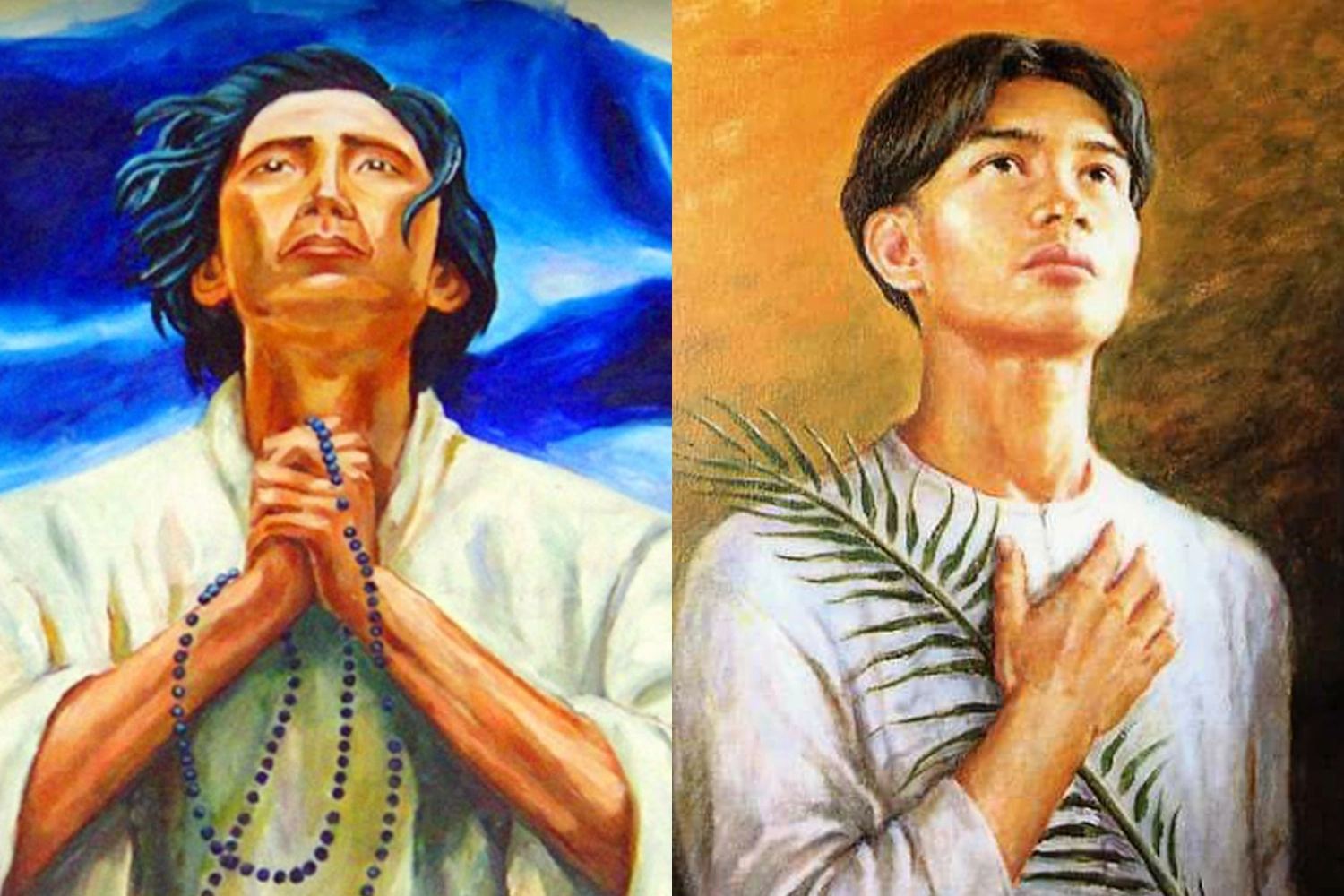
Yet despite more than four centuries of Catholicism, the Philippines has produced only two officially canonized Filipino saints: St. Lorenzo Ruiz and St. Pedro Calungsod.
Lorenzo Ruiz, a lay missionary executed in Japan in 1637, became the first Filipino saint when Pope John Paul II canonized him in 1987.
Pedro Calungsod, a young Filipino catechist killed in Guam in 1672, followed in 2012 under Pope Benedict XVI.
Why has one of the world’s largest Catholic nations produced so few saints?
Sainthood is expensive
Canonization is a lengthy and costly process involving historians, theologians, medical experts, and Vatican officials.
A candidate’s life must be investigated, historical records examined, testimonies collected, and documents submitted to Rome.
These investigations can take decades and require substantial funding from religious congregations, dioceses, and supporters.
For a Church balancing education, charity, parish operations, and social services, financing a sainthood cause can be difficult.
Miracles must be verified
The Vatican also imposes strict requirements.
Ordinarily, non-martyrs need one verified miracle for beatification and another for canonization. Martyrs can be beatified without a miracle but ordinarily still need one for canonization.
Reported miraculous healings undergo medical and theological scrutiny to determine whether they lack a scientifically established explanation.
In communities where medical records were historically limited, proving such cases can be especially challenging.
The colonial factor
Spanish colonial rule also influenced whose religious lives were documented and promoted.
For centuries, Church leadership was dominated by Spanish clergy, while native Filipinos faced discrimination and limited opportunities within religious institutions.
This unequal system may have prevented some exceptionally devout Filipinos from receiving the institutional recognition necessary to advance their causes.
Canonization also takes extraordinary patience.
Lorenzo Ruiz was canonized 350 years after his death, while Pedro Calungsod waited 340 years.
Who could be next?
Several Filipinos are undergoing different stages of the sainthood process.
Among them are Venerable Mother Ignacia del Espíritu Santo, founder of a Filipino women’s religious congregation; Servant of God Darwin Ramos, who died at 17; and Servant of God Niña Ruiz-Abad, who died at 13.
Their causes could eventually lead to more Filipino saints, although recognition is never guaranteed.
Having only two canonized Filipino saints does not necessarily mean the country has produced fewer holy individuals.
It reflects a demanding process shaped by historical circumstances, financial resources, documentary evidence, and Vatican requirements.
For the Catholic Church, sainthood is not simply about living a holy life. It is also about establishing sufficient evidence for the Church to formally recognize that holiness.