Today’s generation of men are breaking the “Kalalaking Tao” mindset.
“Kalalaking tao pero…” We’ve all seen the memes. They poke fun at men doing unmanly things such as crying, showing softness, or shying away from the typical barako tropes. But a look closer and you’ll realize these jokes are the sound of a rigid, outdated gender role finally breaking apart.
For generations, the standard Pinoy male was a symbol of stoicism, where strength was the only foundation of identity and emotional vulnerability was a weakness to be ashamed of. But the Filipino digital landscape is observing an evolved generation flipping the cards. A new era has officially entered the mainstream.
We see it in our feeds every day.
The “new” dads
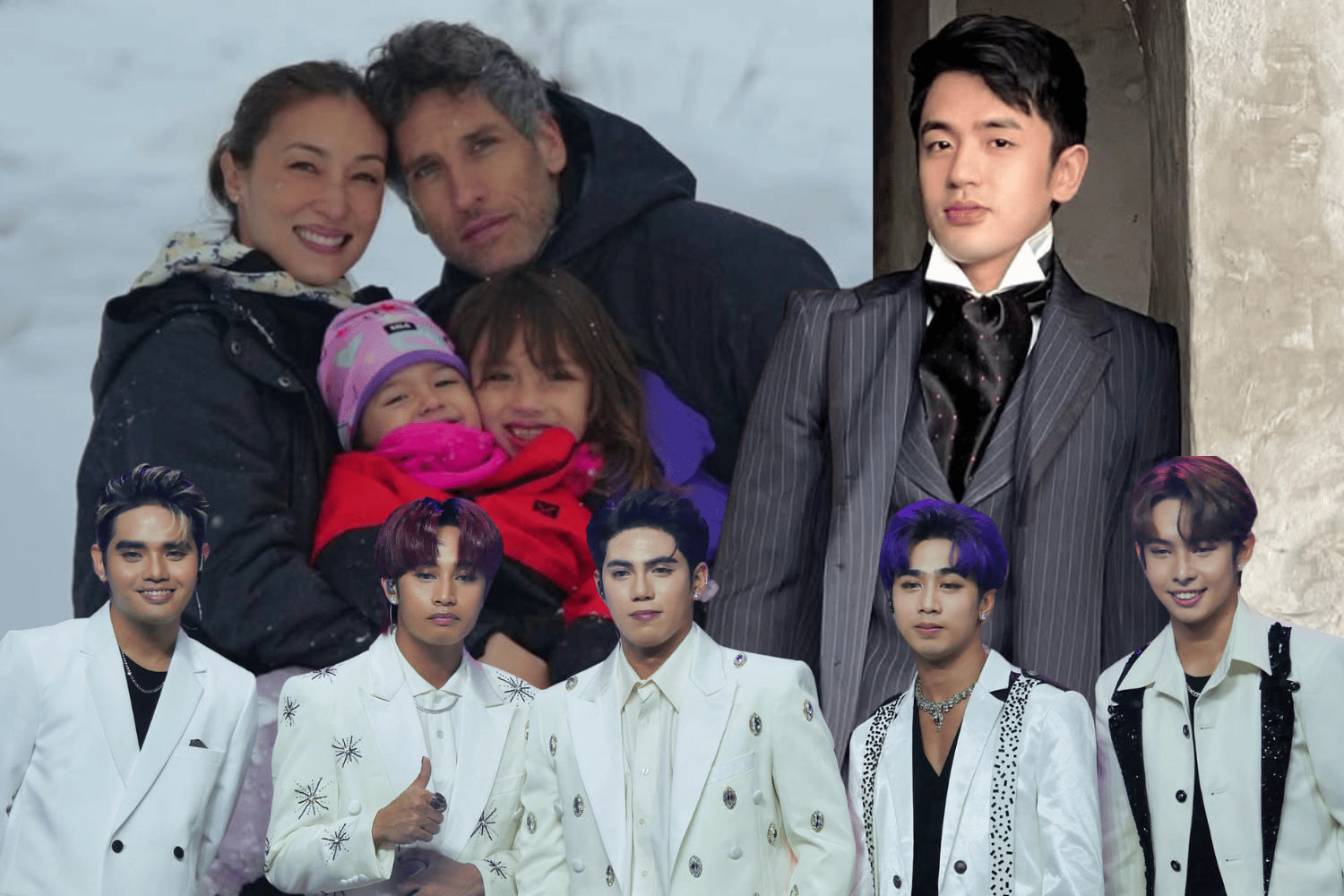
Mikael Daez, Drew Arellano, and Nico Bolzico are redefining patriarchy. They’ve moved beyond the provider mindset to normalize the synergy of shared parenting and play the role of a supportive husband .
In the music scene
SB19 is shattering the traditional male blueprint. Through the raw lyricism of “QUIT,” “ILAW,” and “NYEBE,” they explore the once-taboo themes of burnout, pressure, and mental health.
From our screens
We’re ditching macho leads for the gentle strength of Fidel (David Licauco) from “Maria Clara and Ibarra,” the devotion of Bingo (Donny Pangilinan) from “Can’t Buy Me Love,” and the empathy of Patpat (Joshua Garcia) from the Filipino adaptation of “It’s Okay Not to be Okay.”
Today’s men are proving that worth is measured by the capacity for empathy and self-care instead of the typical paychecks or muscles. They are vocal about the pressures of being a provider and the grace of shared parenthood.
While it’s hard to entirely beat old tradition, the macho archetype is fading. In its place is a more resilient, emotionally literate Filipino man who knows being his true self is the bravest thing he can do.
READ: