Weak cyber habits threaten the Philippines’ digital economy as consumers and businesses face growing cyber risks.
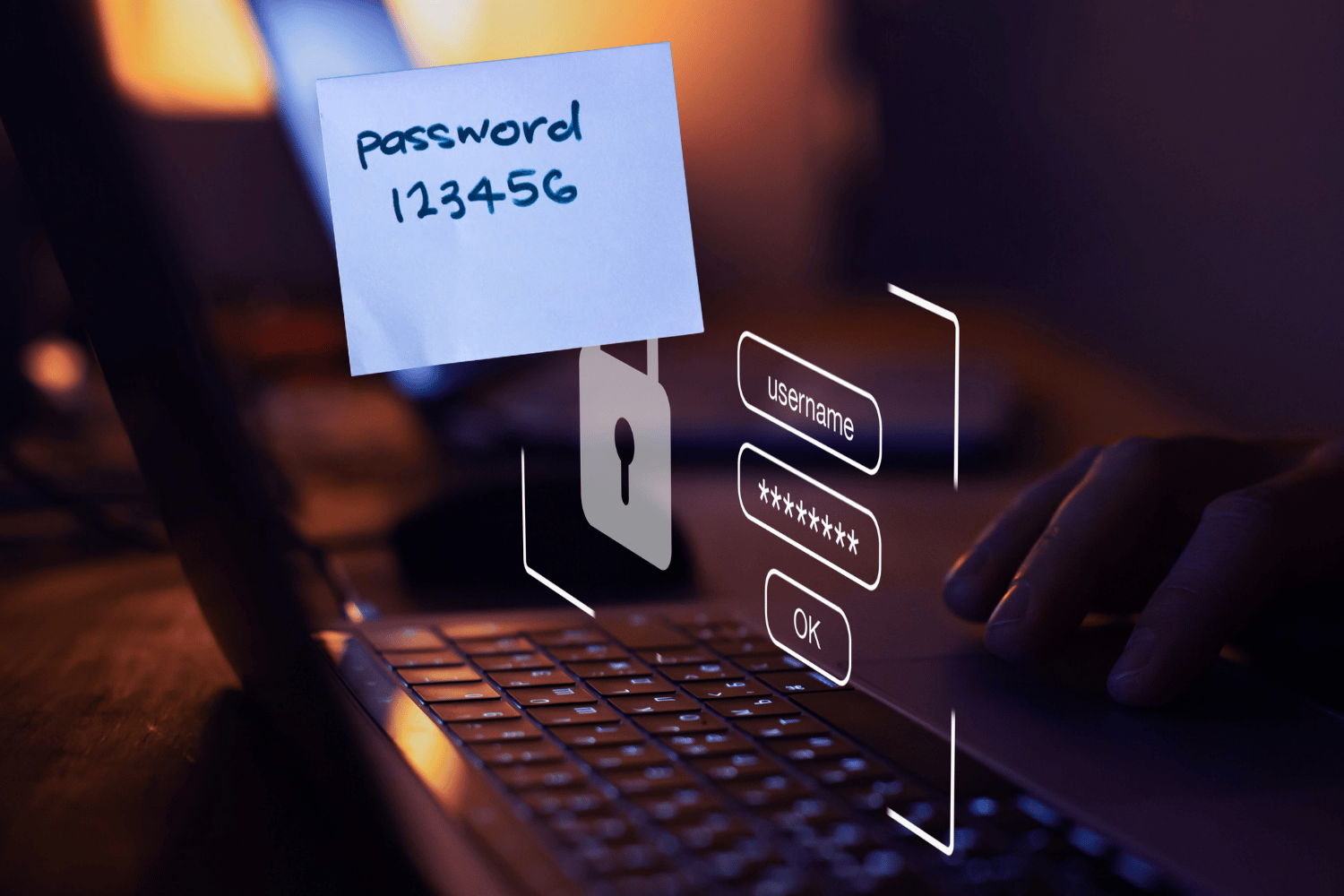
Nearly seven in 10 Filipinos still reuse the same passwords across multiple online accounts, exposing themselves to data breaches, account takeovers and online scams even as cyber threats become more widespread.
The stubborn habit could put the Philippines’ push toward a cashless, digital-first economy under added pressure, as successful cyber scams can erode consumer confidence in online banking, QR payments and e-commerce while increasing fraud-related costs for businesses.
A study by global insurtech bolttech found that 69% of Filipino respondents reuse passwords across different accounts, even though 96% believe their online safety habits are good or very good. However, only 48% consistently practice strong cyber hygiene, resulting in a 48-point difference between perceived and actual online safety—wider than the Asia-Pacific average of 41 points.
The study also found that 93% of Filipinos have encountered scam attempts, higher than the Asia-Pacific average of 89%. More than half, or 57%, said they have already fallen victim to cybercrime, compared with the regional average of 39%.
The findings come as digital payments, online banking and e-commerce continue to gain ground in the Philippines, making cybersecurity an increasingly important part of consumer trust and business operations.
The study, conducted with Blackbox Research, surveyed 3,850 consumers across 11 Asia-Pacific markets.
READ: