Industry Watch by John Lloyd Aleta October 14, 2026 Filipinos urged to fight scams, fraud with AI scamcheck.ph helps users assess suspicious messages in Tagalog, Bisaya, and Taglish.Read More
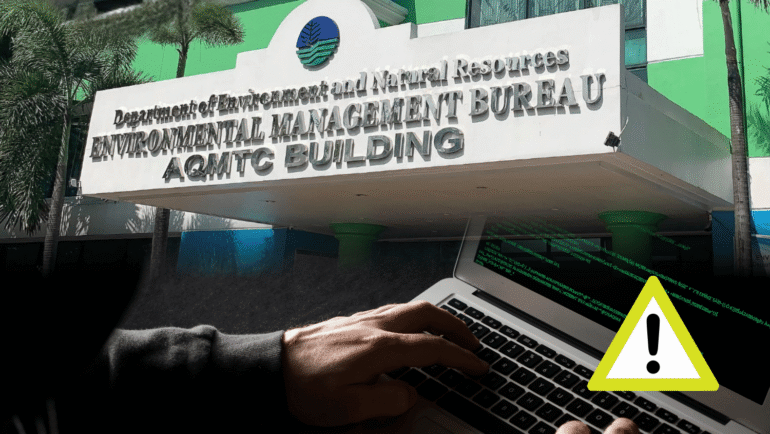
Industry Watch by radar Business September 28, 2026 Personal, corporate data may have been exposed in an alleged EMB system breach The alleged incident renews concerns over government database security.Read More
Industry Watch by Kiara Gorrospe September 22, 2026 Meta, Roblox, Reddit, Discord may be violating children’s privacy National Privacy Commission issues show cause orders over possible non-compliance.Read More
Industry Watch by Allen Mendoza September 18, 2026 FACT CHECK: Pinduoduo is viral, but is it legit? While legit, it comes with aggressive ads, 2.8 star rating, and payment options many Filipinos can’t use.Read More
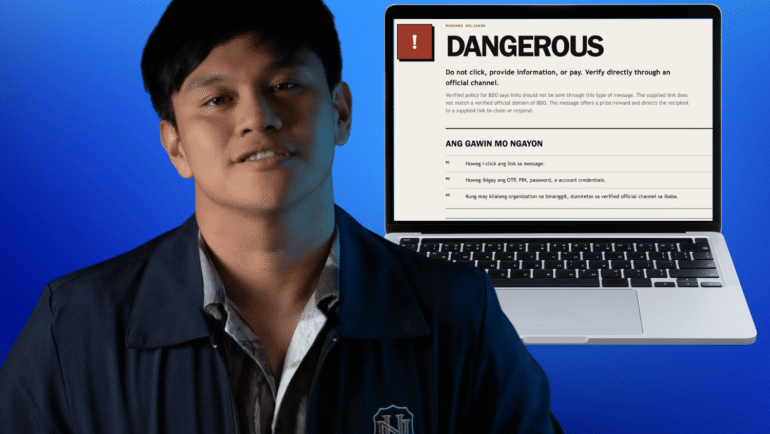
Tech & Innovation by Rain Palacio September 15, 2026 New website helps Filipinos check if texts, emails are scams “Scam Ba ‘To?” was created by John Clement Escobañez of National University Manila.Read More
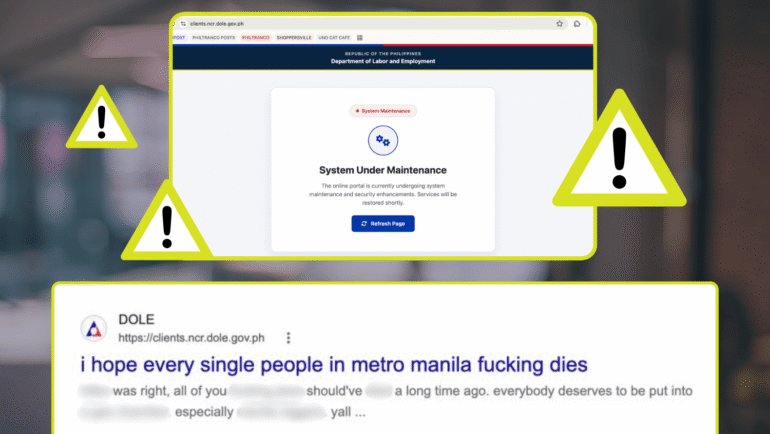
Tech & Innovation by Kiara Gorrospe September 9, 2026 FIRST ON RADAR: DOLE NCR takes down website after alleged hack Agency works with DICT to assess security incident and improve digital security.Read More
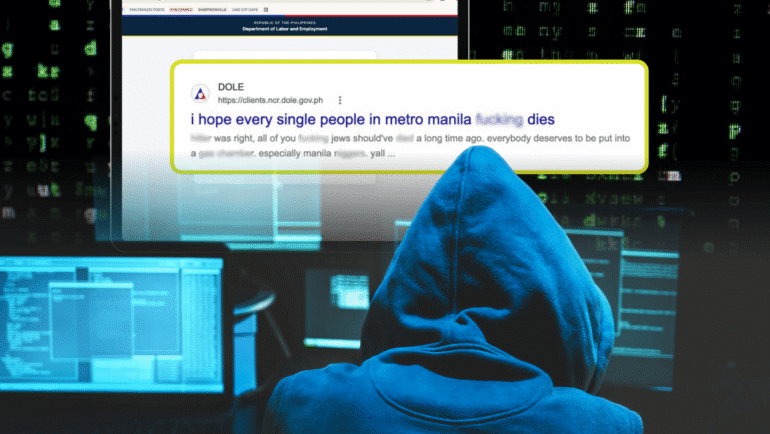
Industry Watch by Kiara Gorrospe September 7, 2026 FIRST ON RADAR: DOLE NCR Client Portal hacked, displays hate message The website preview calls for the death of Metro Manila citizens.Read More
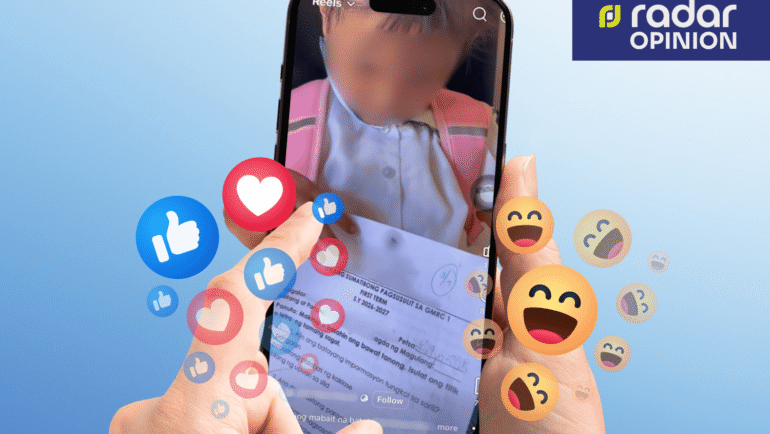
Field Notes by Nikko Miguel Garcia September 4, 2026 OPINION: Child gets 3/9 on GMRC. Her tita’s cloud-chasing video is the bigger fail In a single post, an adult publicly shared a child’s face, name, and school details—information that should have stayed private.Read More
Industry Watch radar Room by Kenneth M. del Rosario September 2, 2026 Australia wants to give people the right to erase their data. Should PH do the same? Australia’s proposed right to erasure could give consumers more control over personal data. Could the Philippines adopt a similar approach?Read More
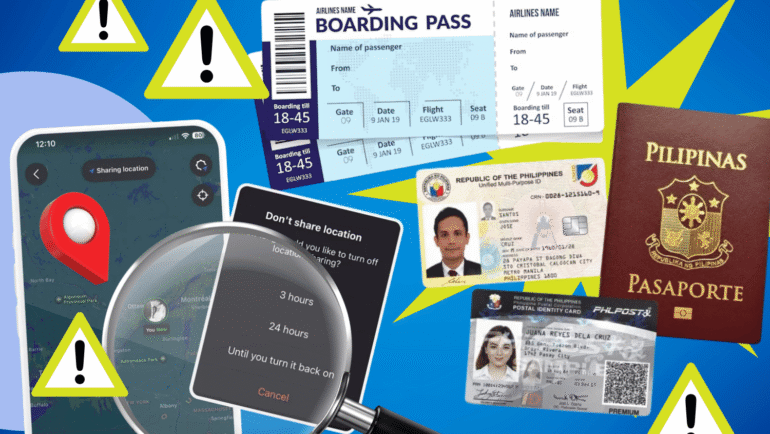
Field Notes by Top Dagohoy August 23, 2026 10 things that are simply too dangerous to post online While social media encourages us to document our lives, it doesn’t necessarily mean every bit of detail should be available for everyone’s eyes.Read More