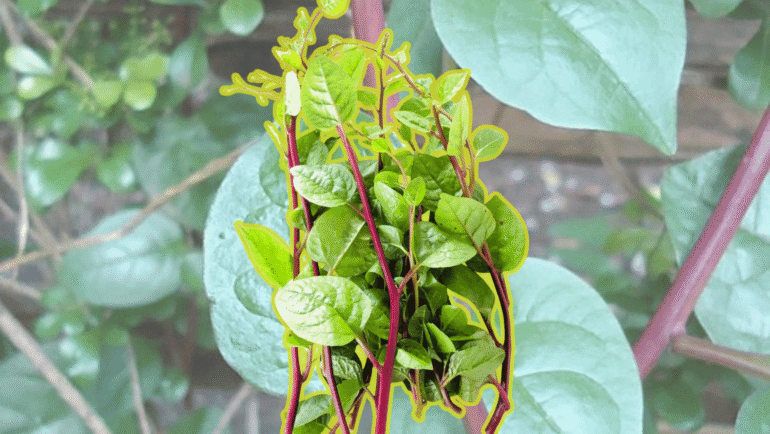
A viral skit asks why mango isn’t yellow but orange is orange.
If you’ve been on Filipino social media lately, you’ve probably encountered the viral campaign to rename the fruit orange as “Sharmaine.”
The joke began with a comedy skit in which an orange complained that nobody put much thought into its name. After all, a mango isn’t called “yellow,” so why should an orange be called “orange”? The fruit then demanded a more elegant name: Sharmaine.
The absurd premise quickly went viral, inspiring memes, mock debates, and countless social media posts.
But before Orange gets its wish, there are arguably several plants and animals in the Philippines that need a rebrand far more urgently.
Tampalpuke
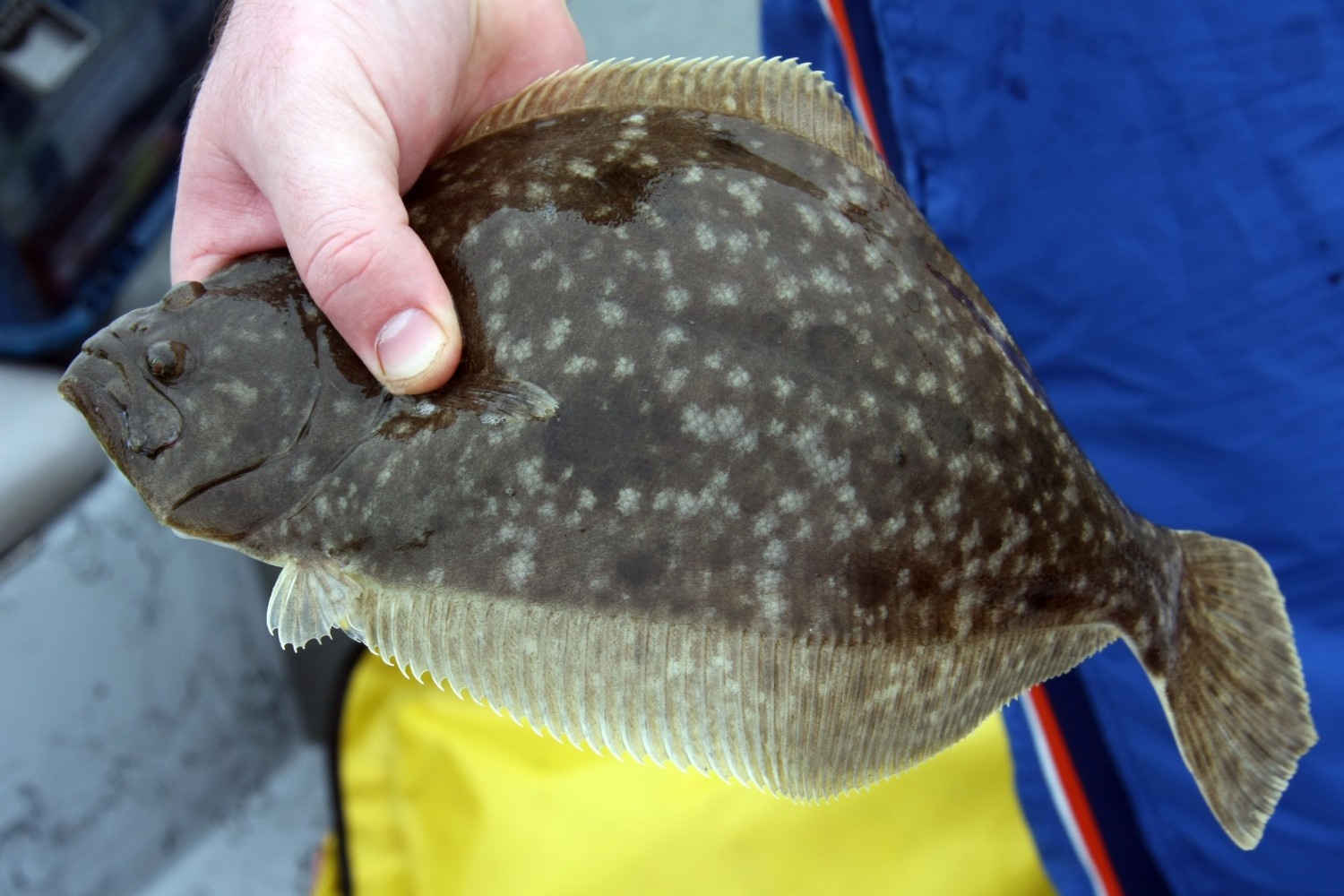
Tampalpuke is the colloquial name for various species of flatfish or flounder commonly sold in traditional wet markets. Its literal translation—“slap the vagina”—is believed to originate from coastal folklore. When these flat, slippery fish are tossed onto a boat’s deck, they make a distinctive wet, clapping sound as they flop from side to side.
The result is a name that can leave modern city dwellers stunned, but one that made perfect sense to fishing communities familiar with the fish’s behavior.
Bayag-kambing
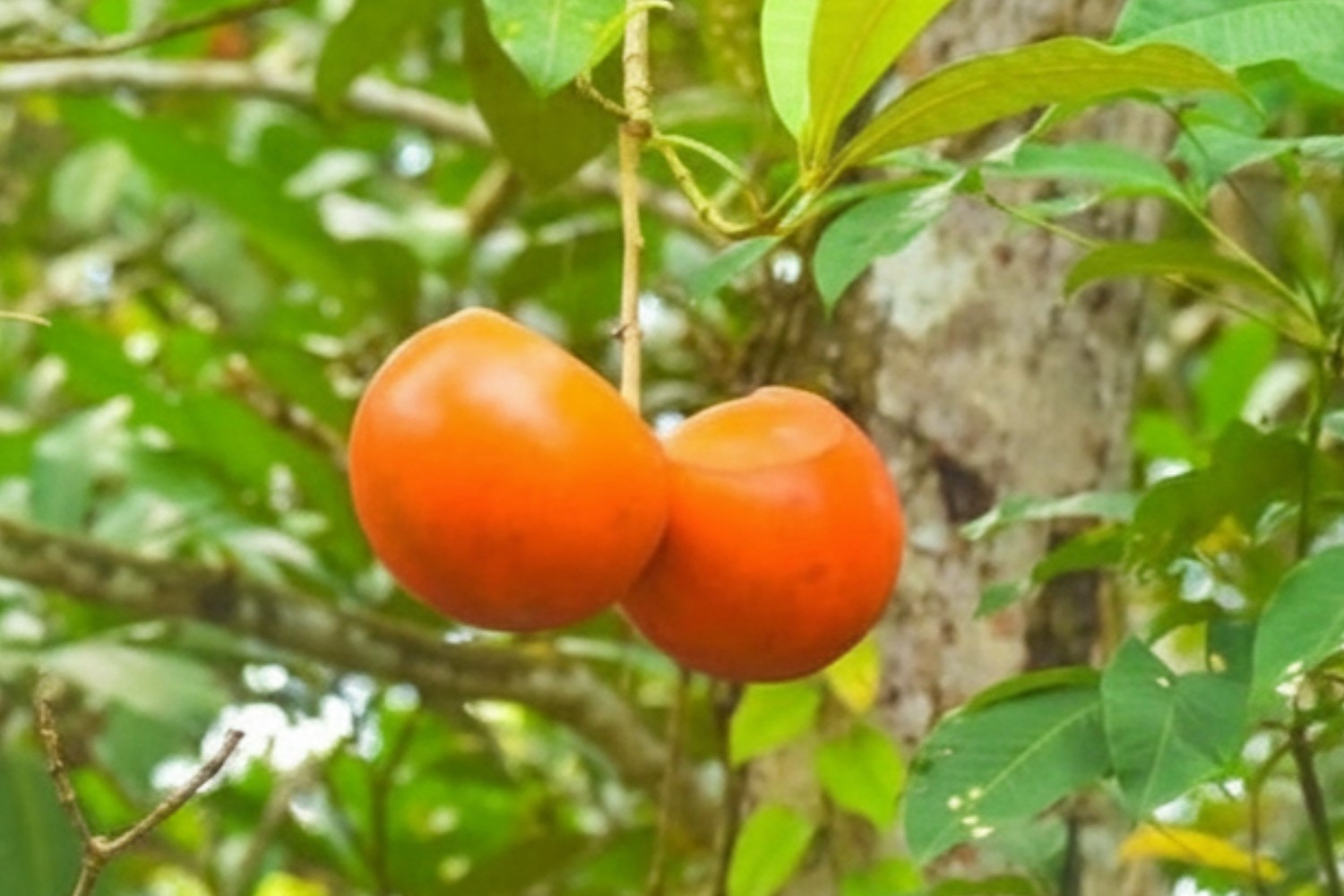
Bayag-kambing, which translates to “goat’s testicles,” refers to a prickly coastal shrub known for its dangling, spiky seedpods.
To rural communities, the resemblance between the pods and their namesake was apparently too obvious to ignore. The name may sound outrageous today, but it served as a memorable way to identify the plant.
Bayag-usa
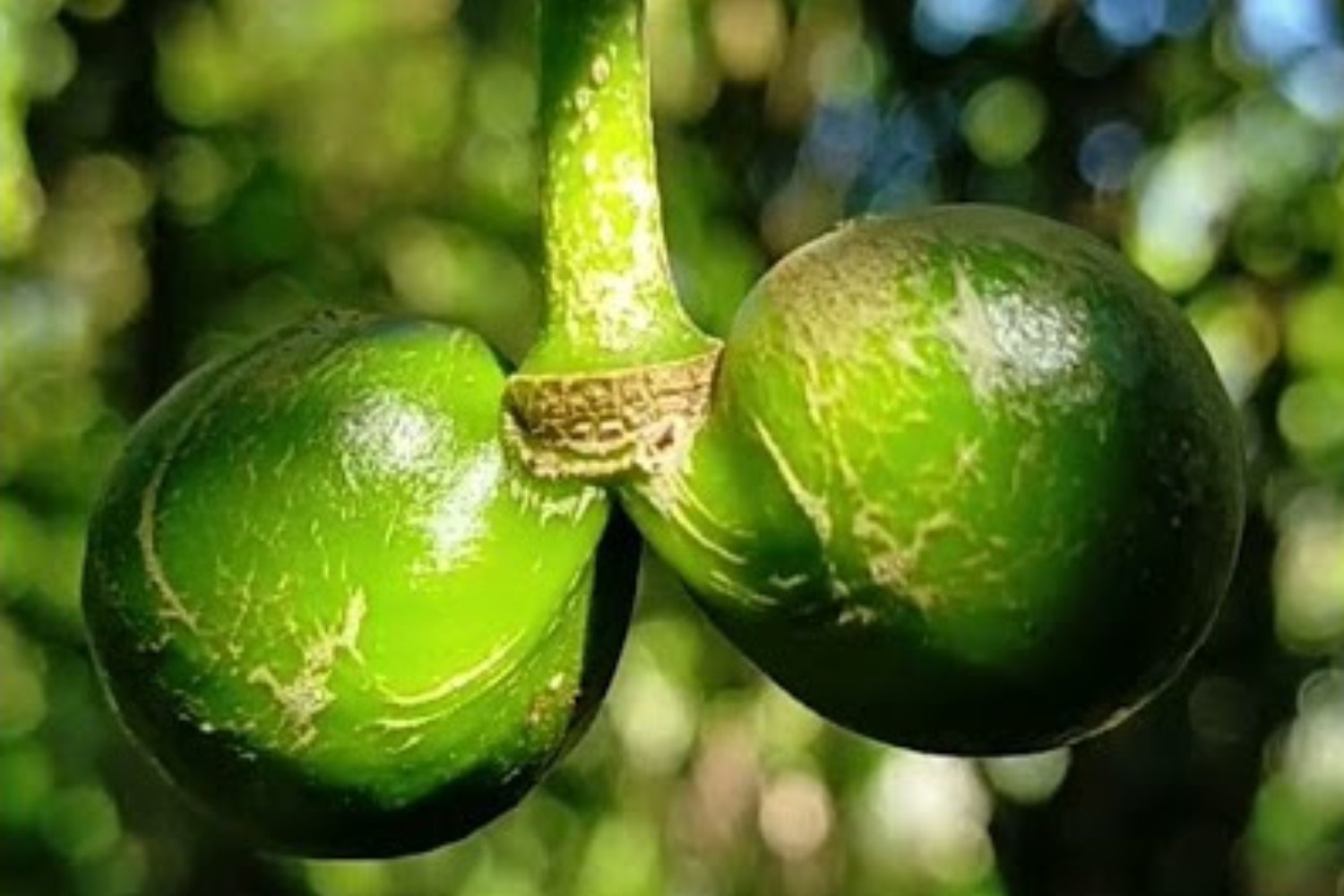
Another example of straightforward anatomical naming is bayag-usa, or “deer’s testicles.”
This native medicinal tree bears large, twin-lobed spherical fruits that early Filipinos thought closely resembled the body part in question. Rather than inventing something poetic, they simply called it what it looked like.
Otot-otot
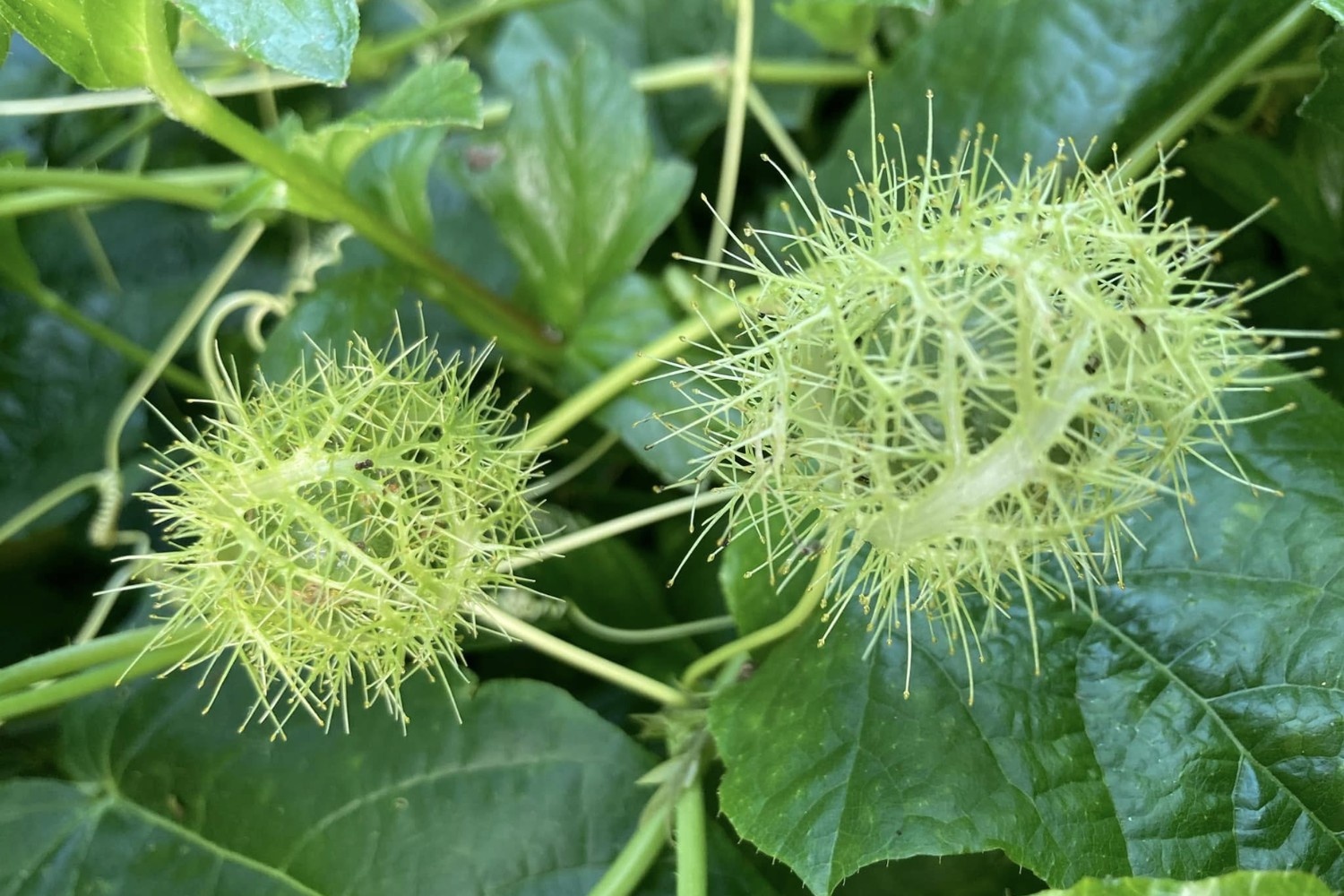
Otot-otot is a wild field weed whose name comes from the word utot or fart.
Crush its leaves underfoot and the plant releases a pungent, unpleasant odor, earning a name that is remarkably honest about its most memorable characteristic.
In a world before botanical textbooks, such blunt descriptions made identification easier.
Utong-utong
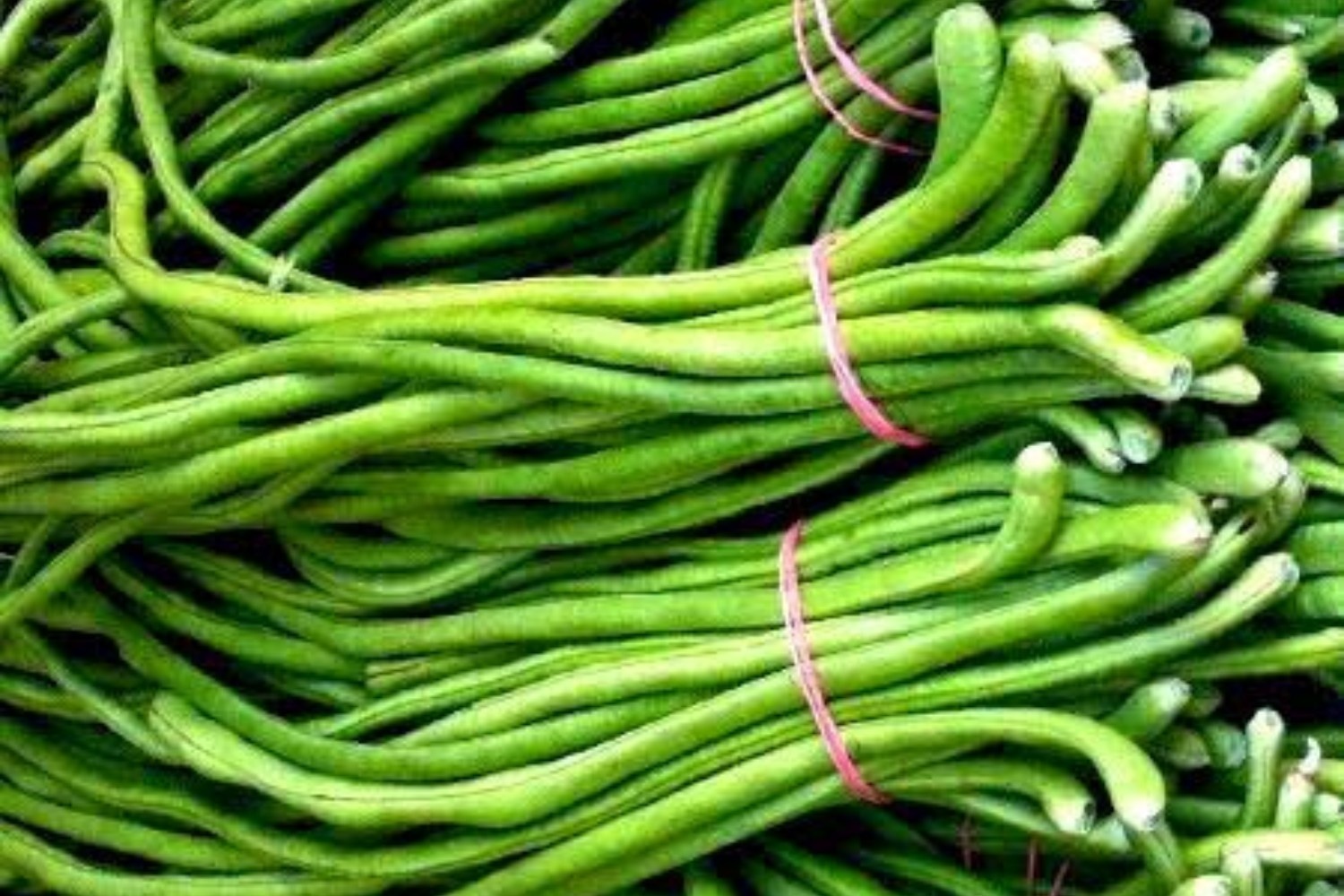
Utong-utong is a variety of long green bean commonly found in the Ilocos region.
The name is entirely ordinary to northern Filipinos, but for Tagalog speakers, it translates to “nipples,” often producing giggles among first-time buyers encountering it in local markets.
The plant itself is harmless. The same cannot be said for the awkward conversations it occasionally sparks.
Pukingan
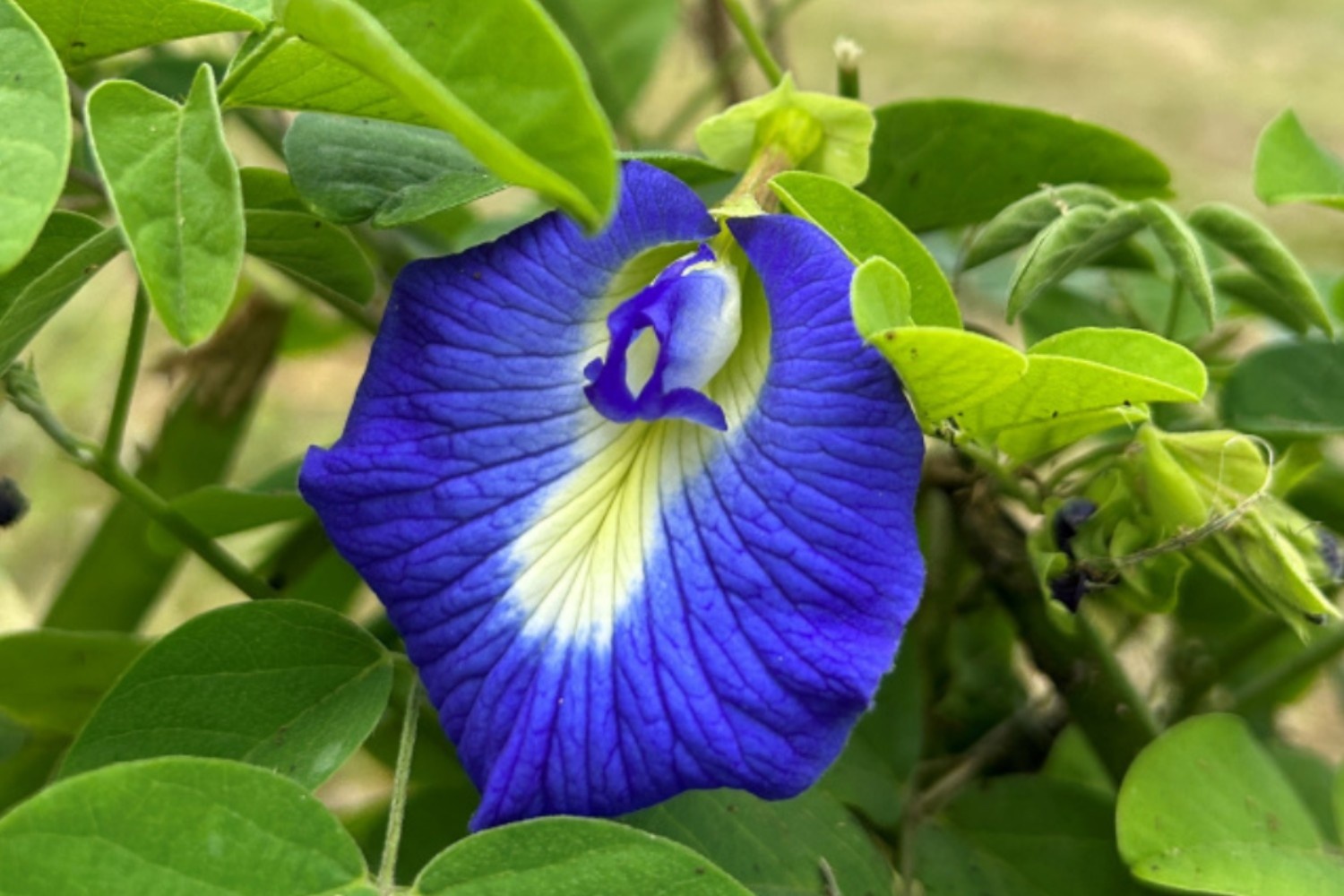
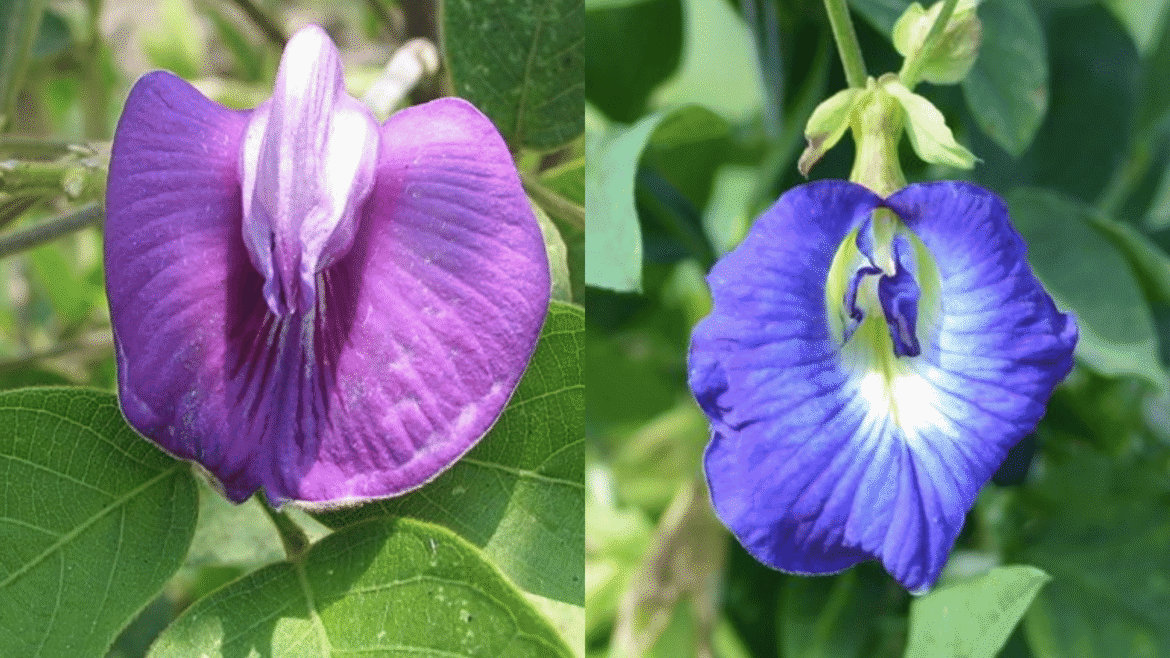
Perhaps the most eyebrow-raising name belongs to pukingan, the vivid blue flowering vine more widely known as the butterfly pea.
Its name derives from puke, the vulgar Tagalog term for female genitalia, reflecting the flower’s perceived resemblance to female anatomy. Interestingly, this is not unique to Filipino naming traditions. The plant’s scientific genus, Clitoria, was coined for exactly the same reason.
In other words, both folk wisdom and science arrived at the same conclusion.
Kantutan
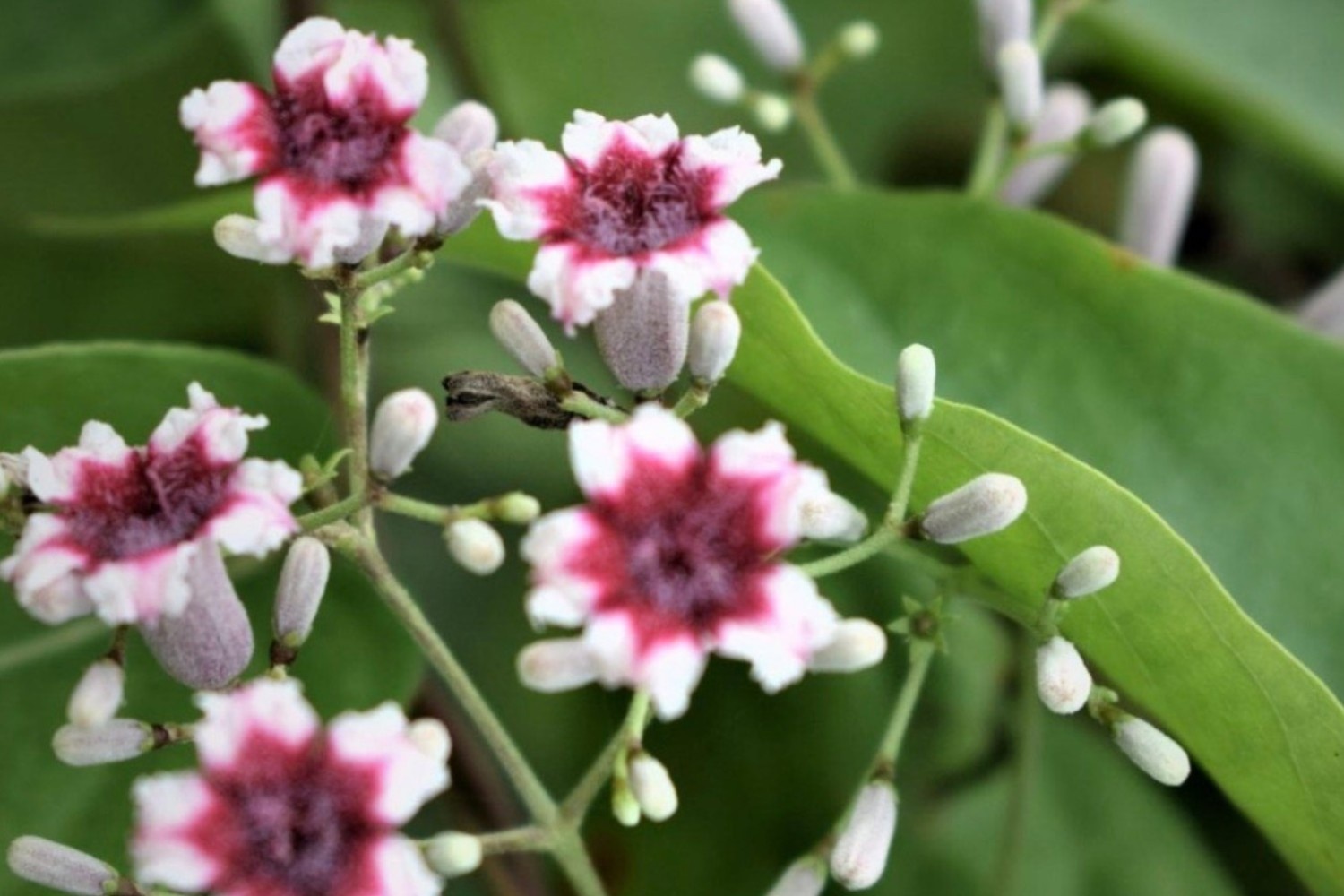
No list of unusually named Philippine plants would be complete without kantutan.
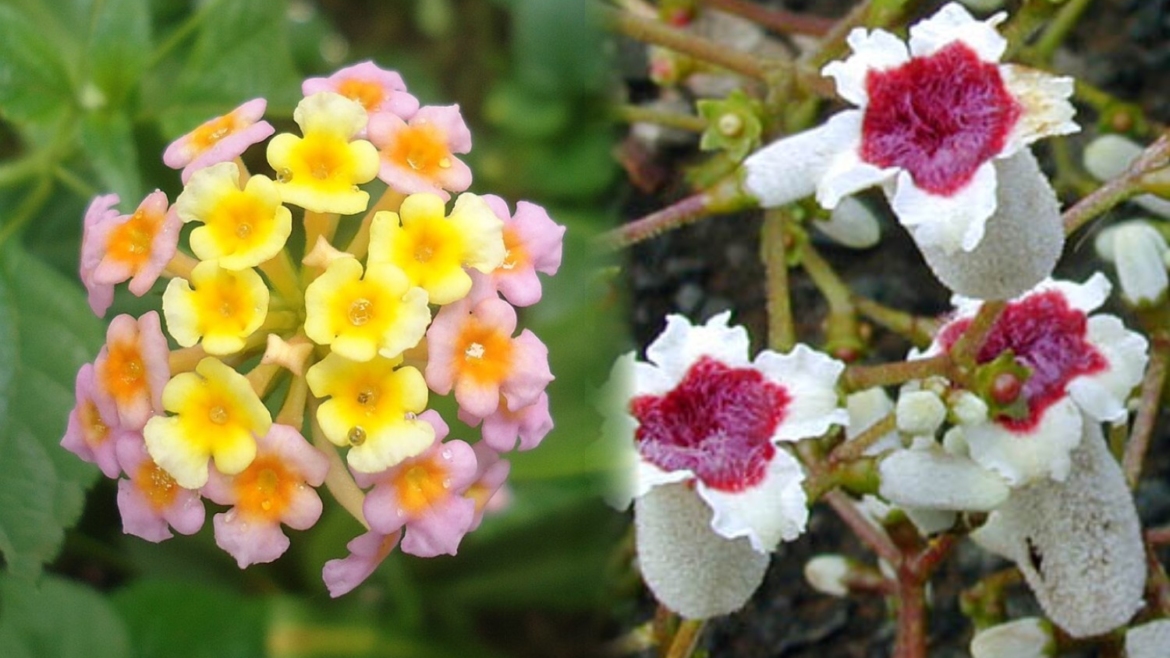
Found in parts of the country as a local name for certain ornamental flowering plants and shrubs, the word instantly raises eyebrows because of its association with a popular Filipino slang term. While the plant’s name predates modern internet humor, it has become a favorite source of amusement whenever photos of plant markers bearing the name surface online.
For many Filipinos, simply hearing someone say, “May kantutan sa bakuran,” is enough to trigger laughter.
Kulasisi
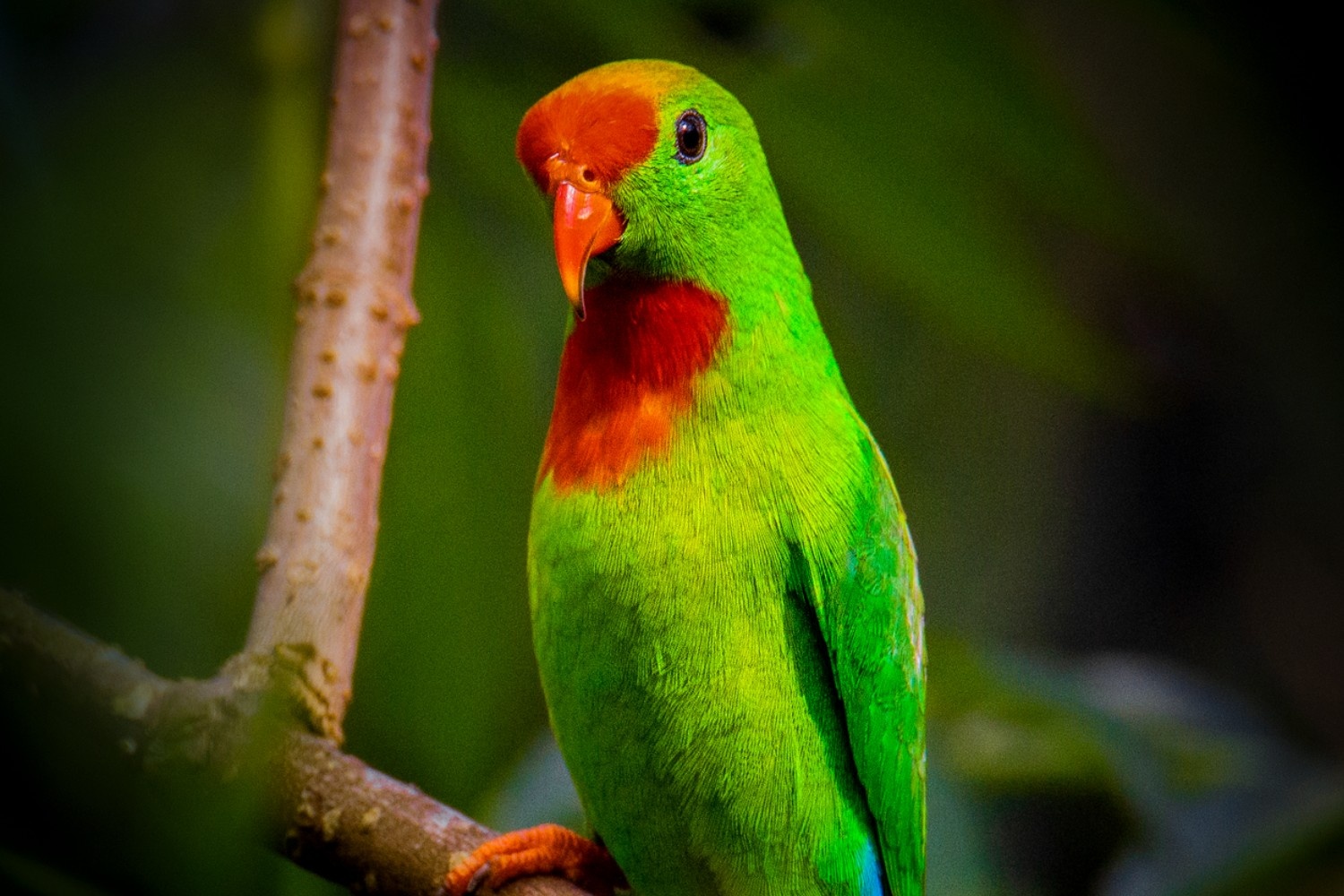
Unlike the other entries on this list, kulasisi is not shocking because it sounds anatomical. Instead, it became controversial because of how Filipinos use it in everyday language.
Kulasisi is actually the local name for a small green parrot native to the Philippines. Over time, however, the word evolved into slang for a mistress or “other woman,” giving the innocent bird an entirely different reputation.
The parrot did nothing wrong, but it has spent decades sharing a name with one of the most notorious characters in Filipino gossip.