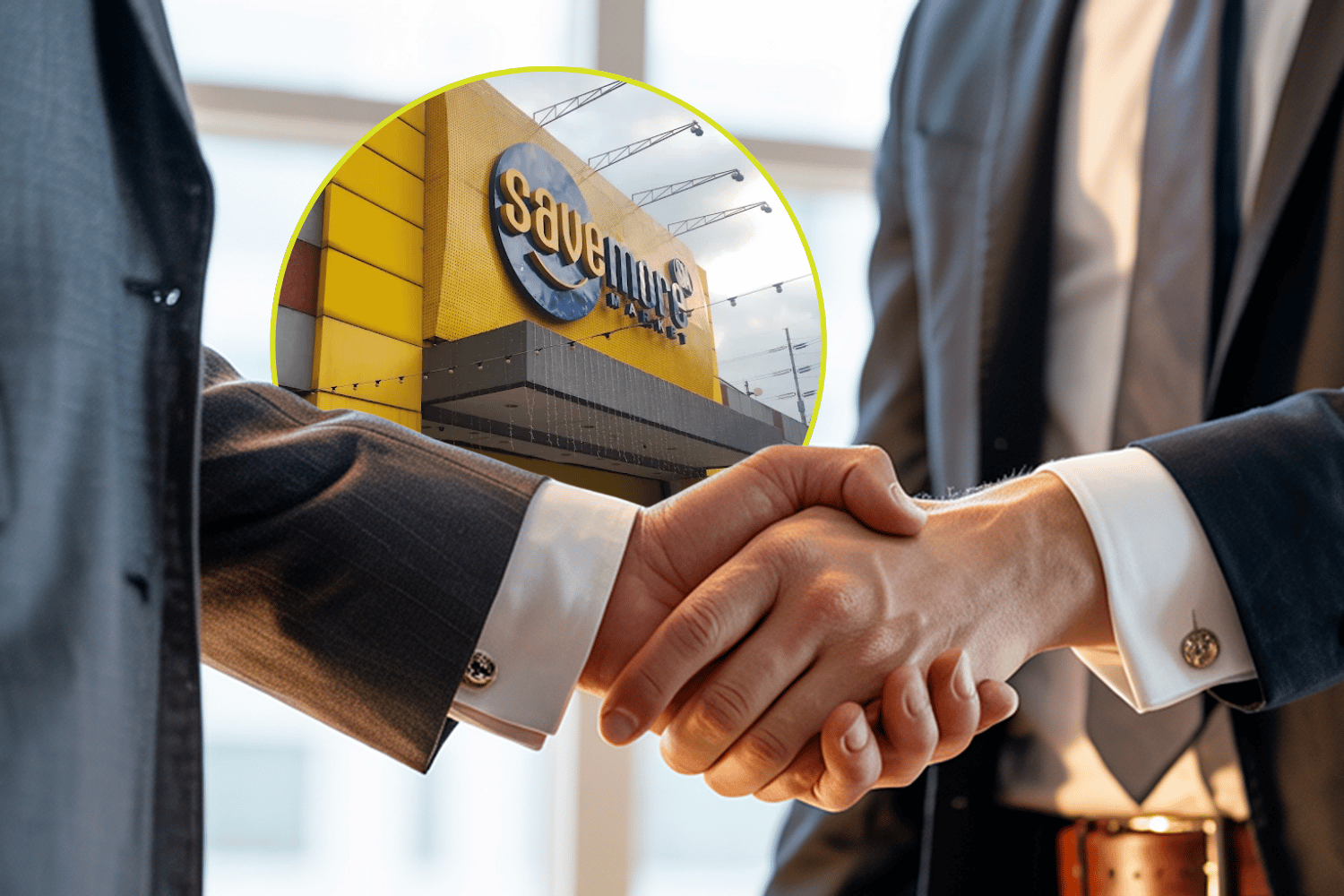
The listed developer acquired the company that owns the land where Savemore Nagtahan Market stands, but did not disclose the value of the transaction or any redevelopment plan.
A prime commercial property in Manila has been folded into SM Prime Holdings’ real estate portfolio after the Sy family’s flagship property developer took over ownership of the company that holds the land where Savemore Nagtahan Market operates.
The listed developer acquired a 99.72% stake in Nagtahan Property Holdings Inc. from parent firm SM Investments Corp. through a cash transaction completed on July 13.
Nagtahan Property Holdings owns the property along Ramon Magsaysay Boulevard where the roughly 5,000-square-meter Savemore Nagtahan Market currently stands.
The site sits near the busy Nagtahan Rotonda, one of Metro Manila’s major transport corridors, making it a valuable commercial property because of its accessibility and heavy foot traffic.
SM Prime said the transfer is intended to consolidate leasable assets and related property interests under a single property manager to streamline operations and strengthen asset management.
The company also did not disclose the value of the transaction or any immediate redevelopment plans for the property, indicating that the supermarket will continue operating as usual for the time being.
The transaction also hints at the SM Group’s strategy to place more of its real estate holdings directly under SM Prime, which manages the conglomerate’s malls, offices, hotels, convention centers, and residential developments.
Consolidating properties under a dedicated real estate developer often allows companies to renovate existing facilities, improve tenant mixes, or pursue larger mixed-use developments over time, potentially influencing where people shop, work, and access essential services in their communities.
The move gives SM Prime greater flexibility to manage or, eventually, redevelop one of Manila’s more strategically located commercial sites as demand for mixed-use urban properties continues to grow.
READ: