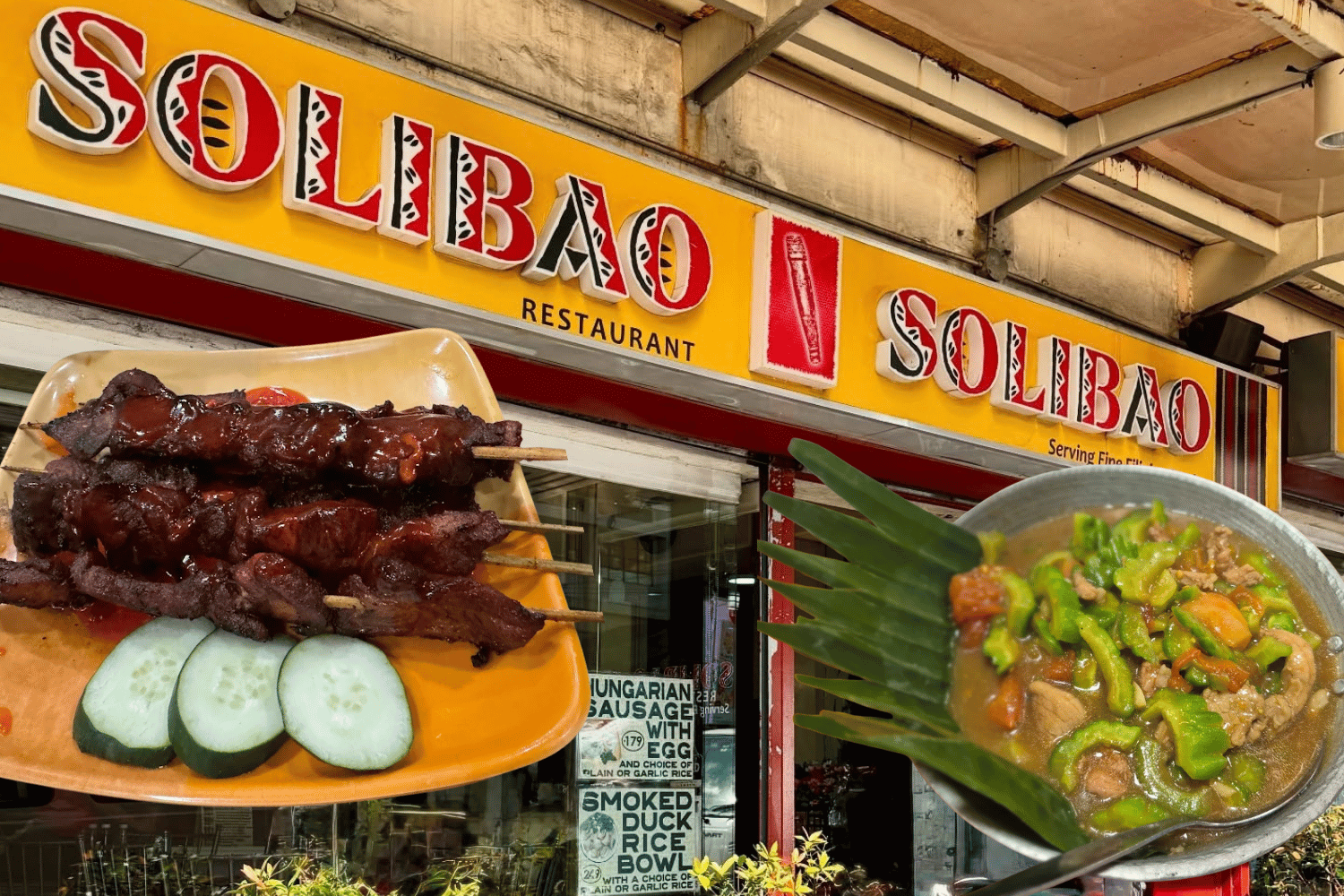
Solibao exists alongside places that define the traditional Baguio experience.
Cities develop identities through more than landmarks.
Sometimes, it is a restaurant beside a park. A familiar bowl of palabok after an afternoon walk. Puto bumbong steaming on the table even when Christmas is months away. A place that has been there so long that removing it would somehow make the city feel different.
In Baguio, Solibao is one of those places.
Since 1972, the homegrown restaurant has served Filipino and Northern Luzon comfort food while becoming part of the everyday landscape of the country’s summer capital.
Its best-known location beside Burnham Park places it within one of Baguio’s most recognizable spaces. Another branch along Session Road connects it to the city’s historic commercial center.
Solibao isn’t simply located in Baguio. After more than half a century, it has become part of how many people experience the city.
A name rooted in the Cordillera
Even its name establishes that connection.
Solibao takes its name from the traditional Indigenous drum associated with the Ibaloi and the wider Cordillera cultural landscape. Long before the word became associated with a restaurant, the solibao belonged to the music and rituals of the mountains.
That local identity extends to the restaurant itself, from its use of Cordilleran-inspired design elements to a menu that places familiar Filipino favorites alongside dishes from Northern Luzon.
There is puki-puki, the Ilocano combination of grilled eggplant and egg; pinakbet; Vigan-style Ilocos empanada; and breakfast plates of longganisa, tapa, tocino and daing na bangus.
Then there are the Solibao staples that have developed their own following, particularly its palabok.
Puto bumbong without waiting for December
Perhaps nothing captures Solibao’s particular relationship with Baguio better than its year-round puto bumbong.
Elsewhere in the Philippines, the purple sticky rice delicacy is almost inseparable from Simbang Gabi and Christmas. It appears in December and largely disappears when the holidays end.
Solibao serves it throughout the year.
In another city, eating puto bumbong in April might seem strangely out of season. In Baguio, where cold mornings, fog and pine trees can evoke December even in the middle of the year, it somehow belongs.
Food and place reinforce each other.
Part of the Baguio landscape
That is ultimately what distinguishes an institution from simply a restaurant that has survived for decades.
Solibao exists alongside places that define the traditional Baguio experience: Burnham Park, Session Road, the public market, old cafés, parks and neighborhoods shaped by the city’s mountain geography.
It has also remained connected to Baguio’s cultural life, including support for the Montañosa Film Festival and its celebration of filmmaking from the Cordilleras and the rest of the country.
Baguio today is vastly different from the city Solibao opened in more than 50 years ago. New restaurants, specialty cafés and national chains compete for diners across an increasingly urbanized mountain city.
But a strong sense of place is built partly from things that remain recognizably local amid all that change.
Solibao is one of them.
You can eat palabok almost anywhere in the Philippines. You can find puto bumbong every Christmas.
But eating them beside Burnham Park, with the Baguio cold outside and a restaurant named after a Cordilleran drum around you, gives the meal something geography alone cannot explain.
It gives it a sense of place.
And after more than half a century, Solibao has become part of Baguio’s.
READ:

What if Cindy’s had beaten Jollibee?
radar Business
June 26, 2026
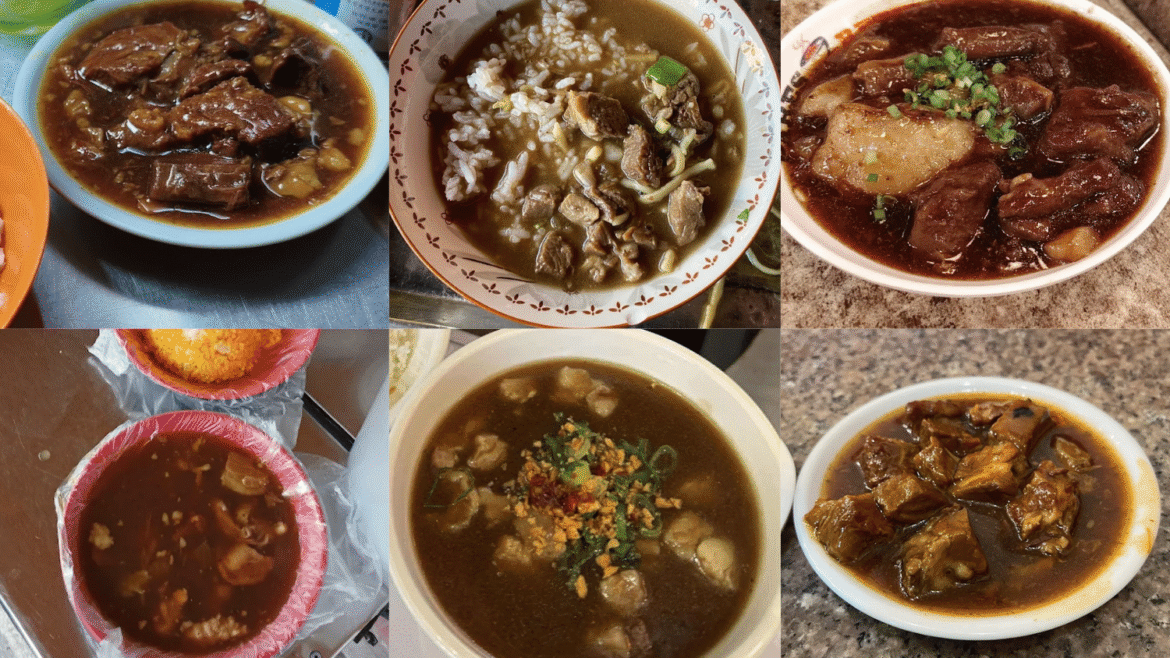
Where to eat the best pares?
Top Dagohoy
September 9, 2026
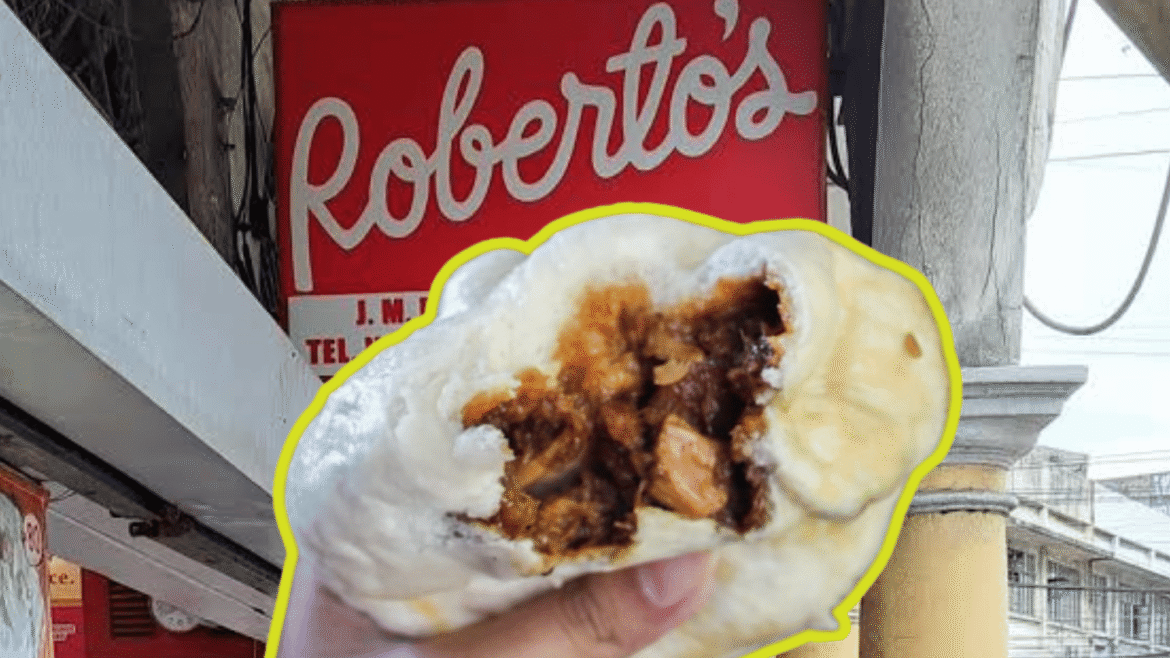
Roberto’s in Iloilo still draws long lines for its giant, sauceless siopao
Top Dagohoy
September 6, 2026