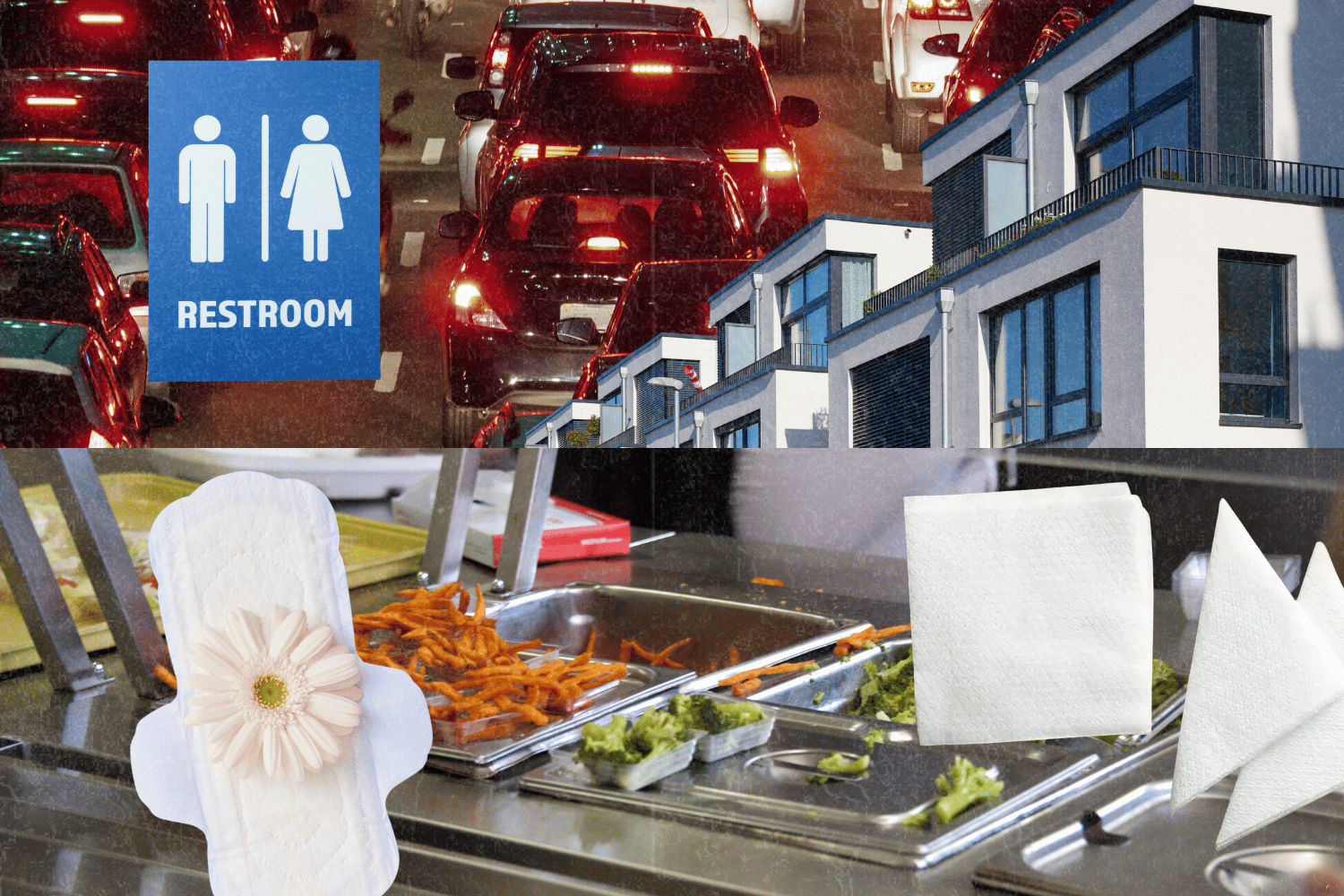
These words reflect how languages evolve to fit the culture and experiences of the people who use them.
You ask where the comfort room is. Someone says the roads are “very traffic.” Your friend gets pirated by another company. Then the evening news reports that a suspect was salvaged.
If you’re Filipino, none of those sentences sound strange.
If you’re from almost anywhere else in the world, they make absolutely no sense.
That’s because the Philippines didn’t just adopt English—it reinvented parts of it. Over generations, familiar English words picked up uniquely Filipino meanings shaped by local culture, government, business, and everyday life. The result is Philippine English: a version of the language where the vocabulary is familiar, but the meanings can be completely different.
Here are 10 English words that took on a whole new life in the Philippines.
Salvage
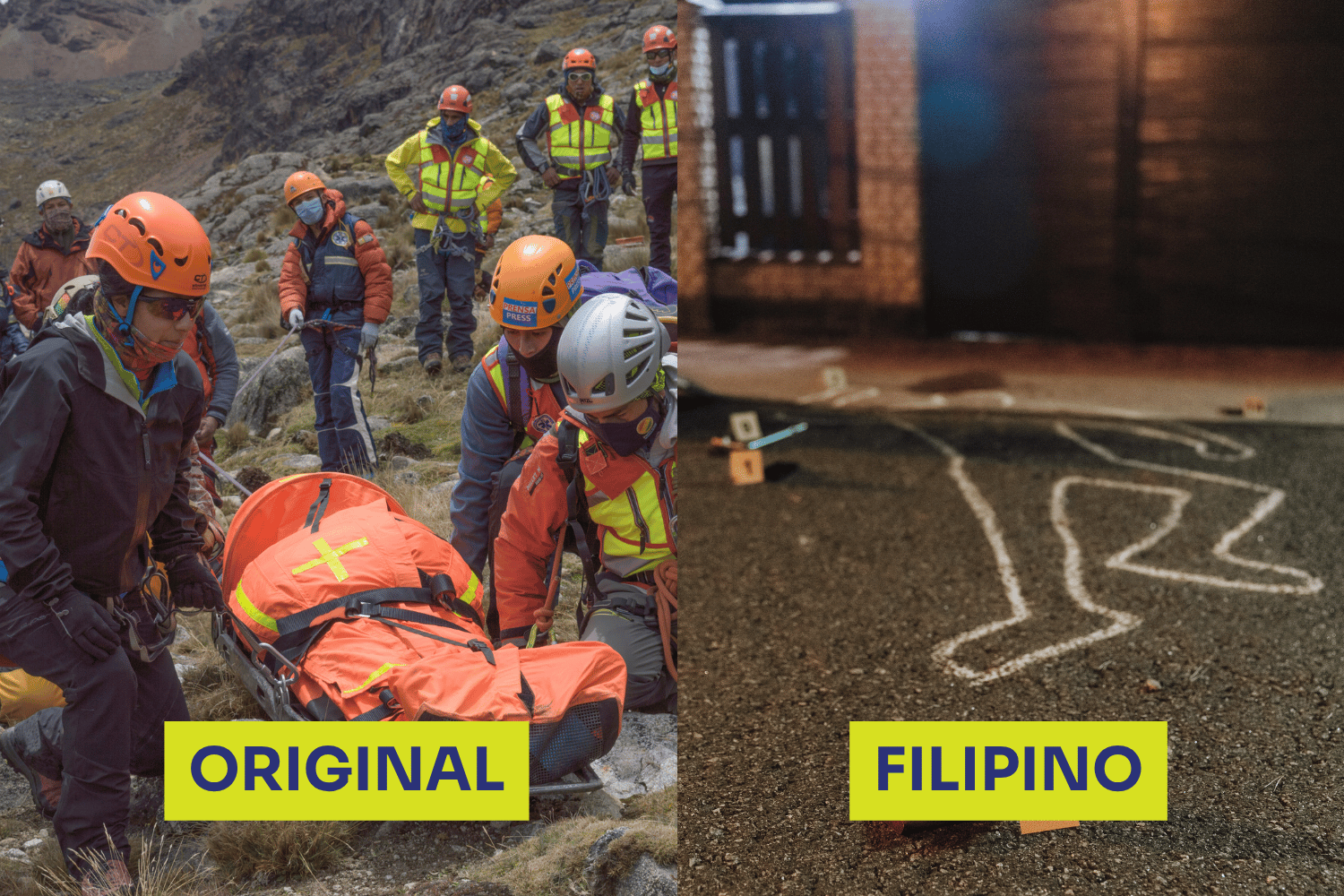
In standard English, “salvage” means to rescue or save something from damage or destruction.
In the Philippines, however, the word took a chilling turn. To be “salvaged” means to be murdered or extrajudicially executed, a meaning widely used in local news reports for decades. It’s perhaps the most dramatic example of how Philippine English transformed an ordinary English word.
Pirate

Elsewhere, a pirate is someone who robs ships or illegally copies movies, music, or software.
In Philippine workplaces, however, companies often complain that their employees have been “pirated” by competitors. Here, the word means recruiting or poaching an employee from another company.
Comfort room

Ask for the comfort room in New York or London and chances are people won’t know what you mean.
In the Philippines, “comfort room”—or simply “CR”—is the standard term for a public restroom or bathroom. Nearly every Filipino uses it without realizing it’s rarely heard elsewhere.
Village
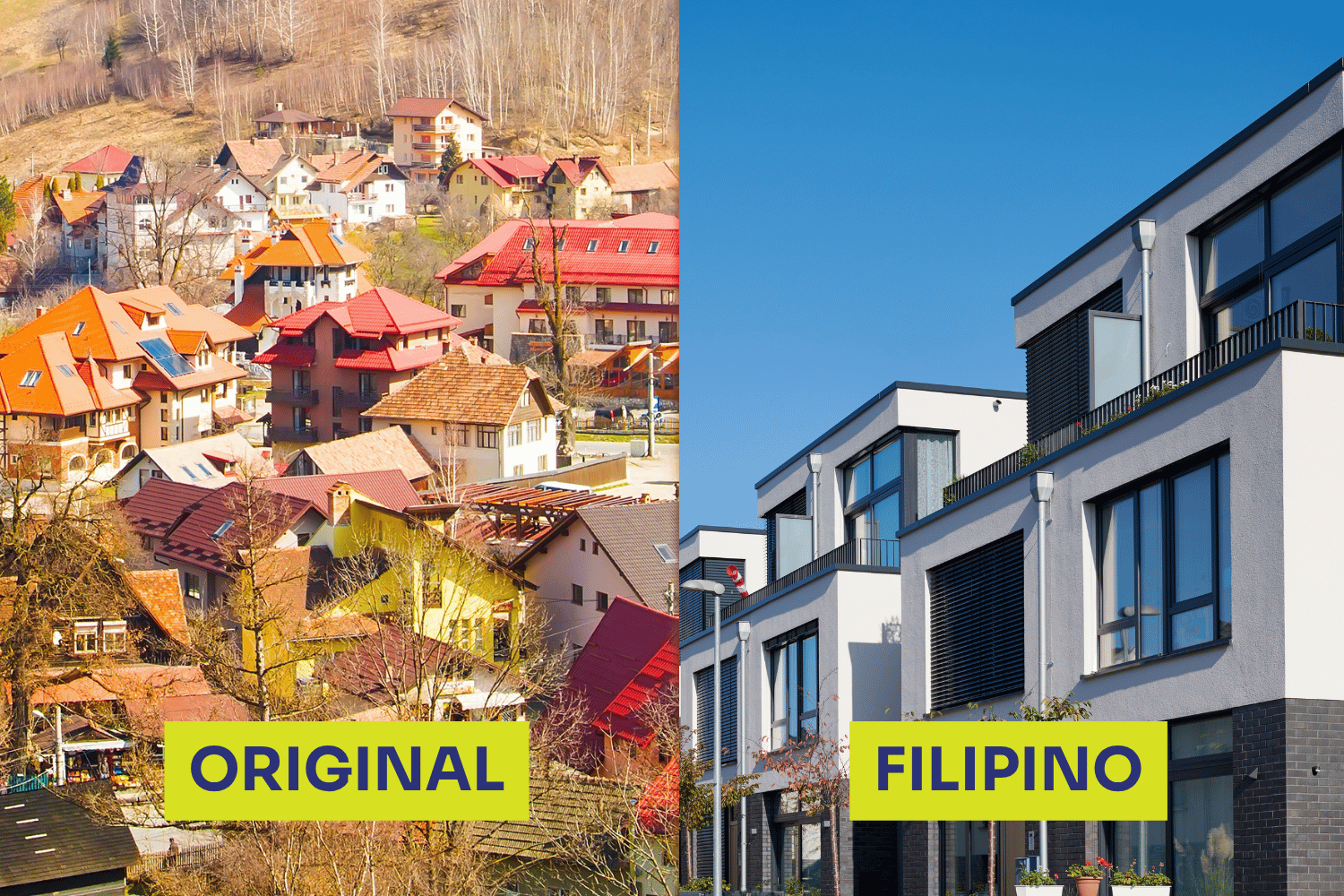
To most English speakers, a village is a small rural community.
In the Philippines, a village often refers to an exclusive gated subdivision with private security, landscaped streets, and upscale homes.
Traffic

In standard English, traffic is a noun referring to the movement of vehicles.
In Philippine English, it’s also an adjective.
“It’s so traffic today.”
Every Filipino instantly understands that it means there’s heavy gridlock on the roads.
Fixer
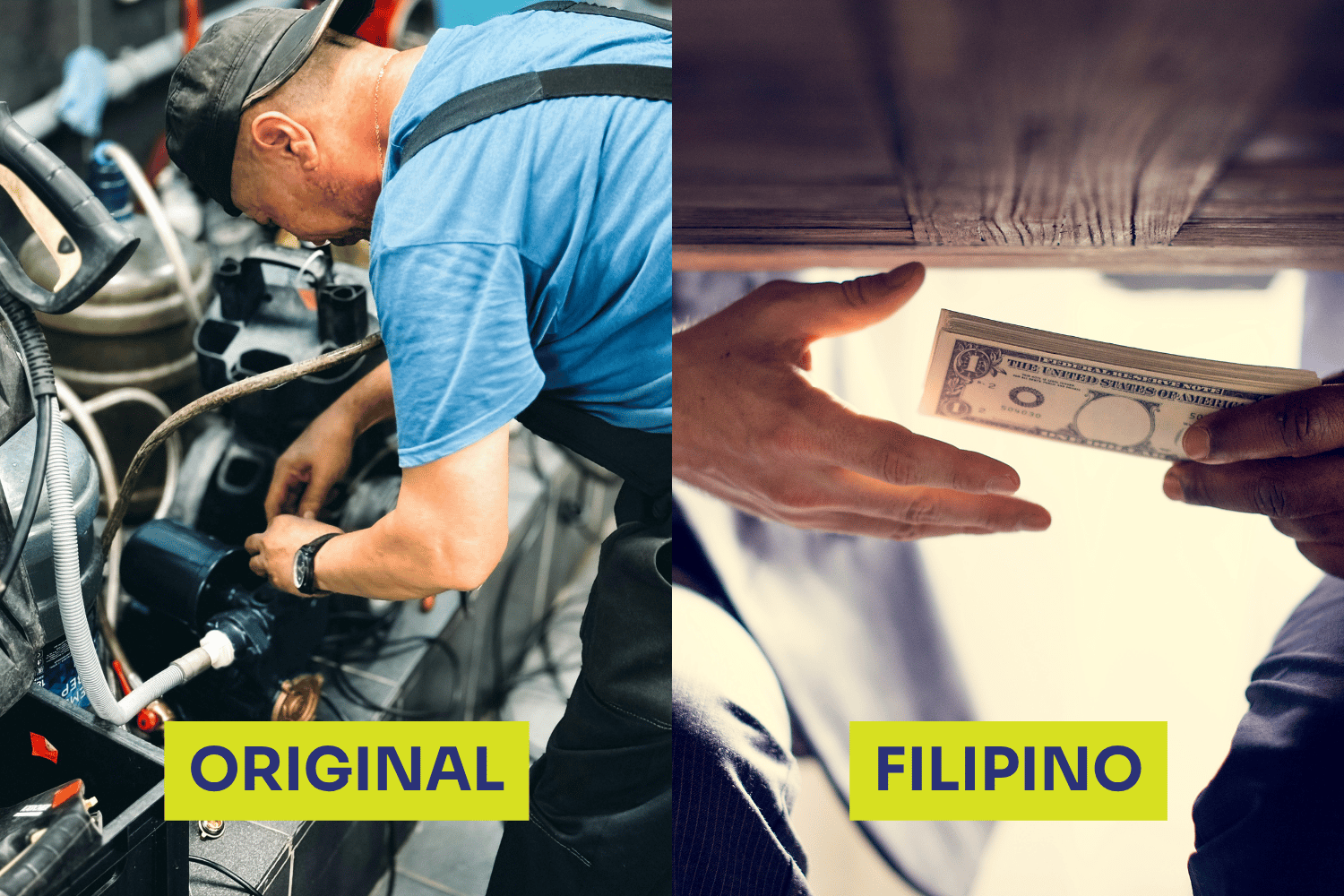
Globally, a fixer can mean someone who repairs things or solves problems.
In the Philippines, a fixer is an unauthorized middleman who offers to speed up government transactions—for a fee—by bypassing normal procedures.
Flyover
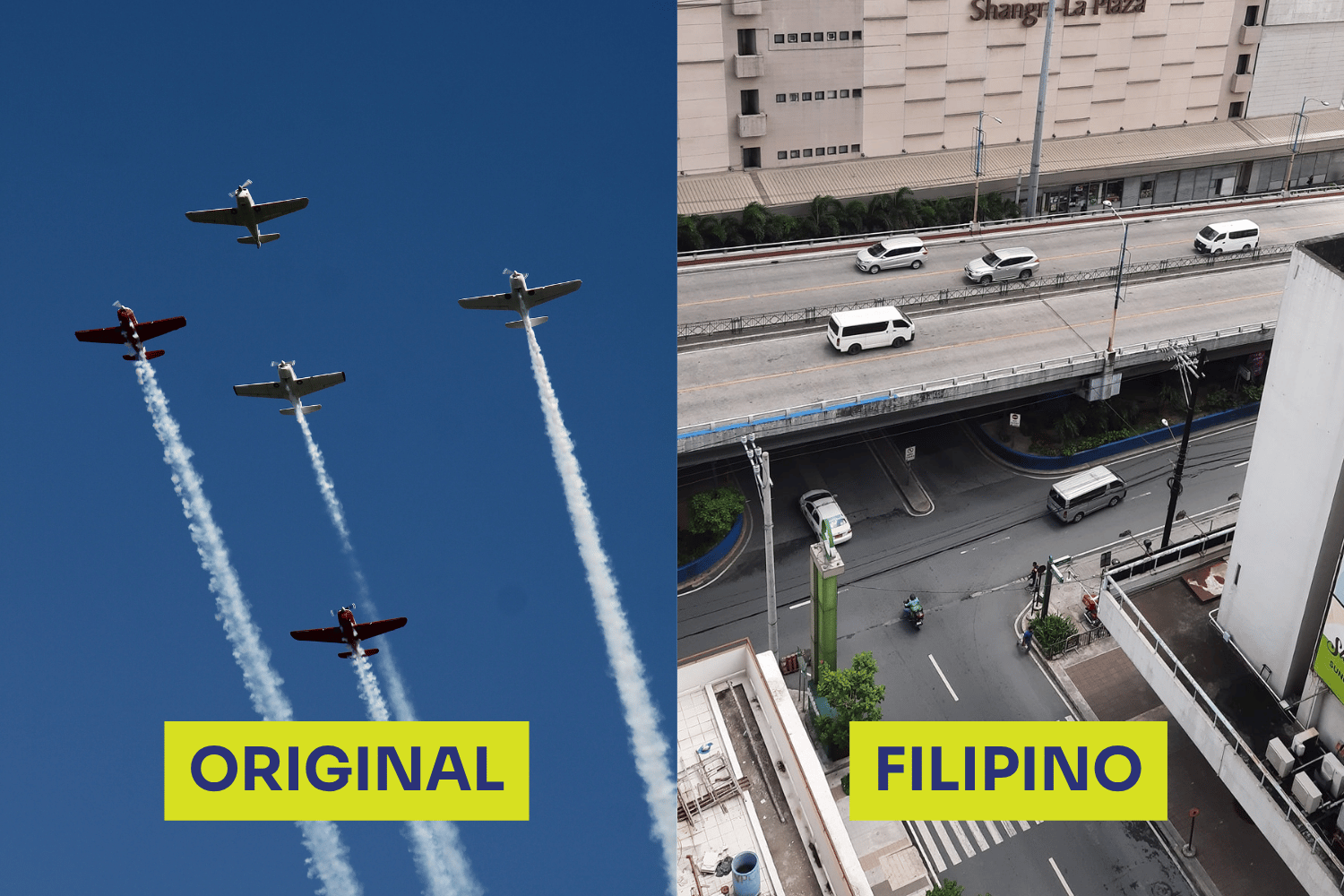
In many countries, a flyover refers to aircraft flying overhead during ceremonies or military events.
In the Philippines, it’s the elevated road or overpass that allows motorists to drive above busy intersections.
Scheme
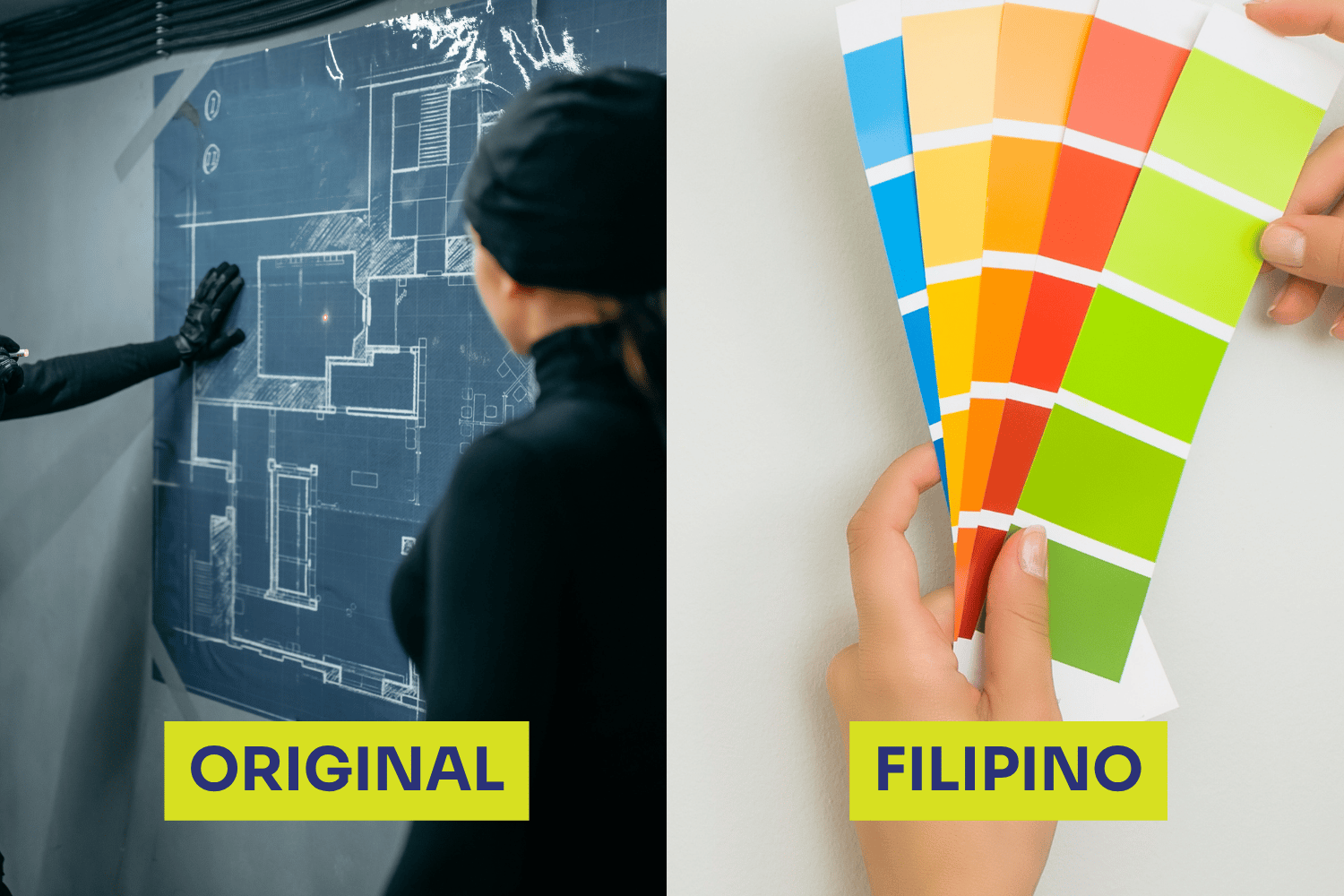
To many English speakers, a scheme sounds like a secret or dishonest plan.
Filipinos usually use it in a neutral sense to mean a system or arrangement, such as a traffic scheme, coding scheme, or color scheme.
Canteen
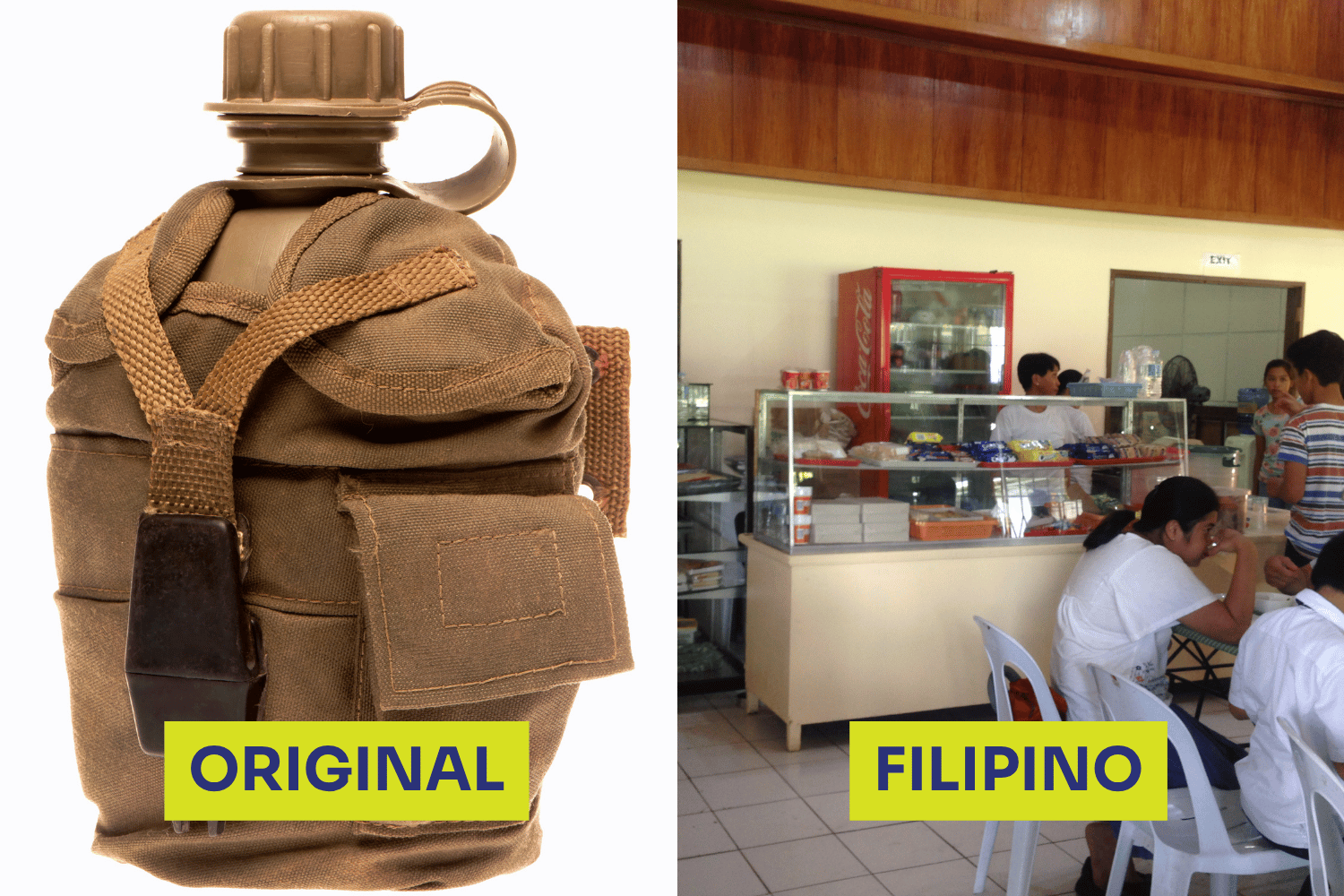
Traditionally, a canteen is a portable water container carried by soldiers or campers.
In Philippine English, it’s the cafeteria where students and employees buy lunch, snacks, and merienda.
Napkin
Perhaps no word causes more awkward misunderstandings.
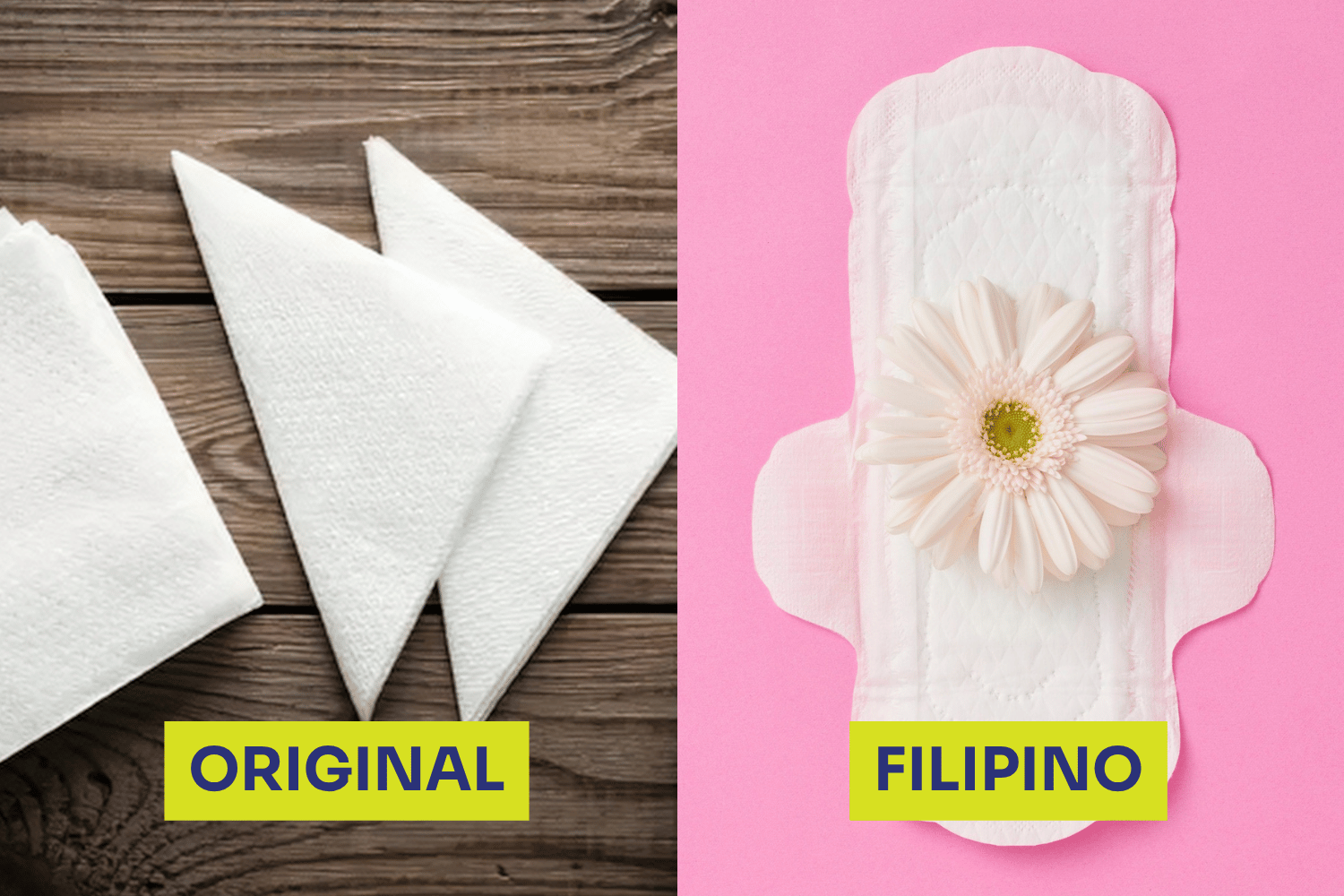
In most English-speaking countries, a napkin is the paper or cloth used during meals.
In the Philippines, asking for a napkin often gets you a sanitary pad instead.
A language of our own
These words aren’t mistakes. They reflect how languages naturally evolve to fit the culture and experiences of the people who use them.
Today, Philippine English is recognized as a legitimate variety of English, complete with its own vocabulary, expressions, and meanings. It’s one more reminder that language isn’t just defined by dictionaries—it also tells the story of the people who speak it.
And in the Philippines, sometimes speaking English isn’t enough. You have to speak Philippine English.