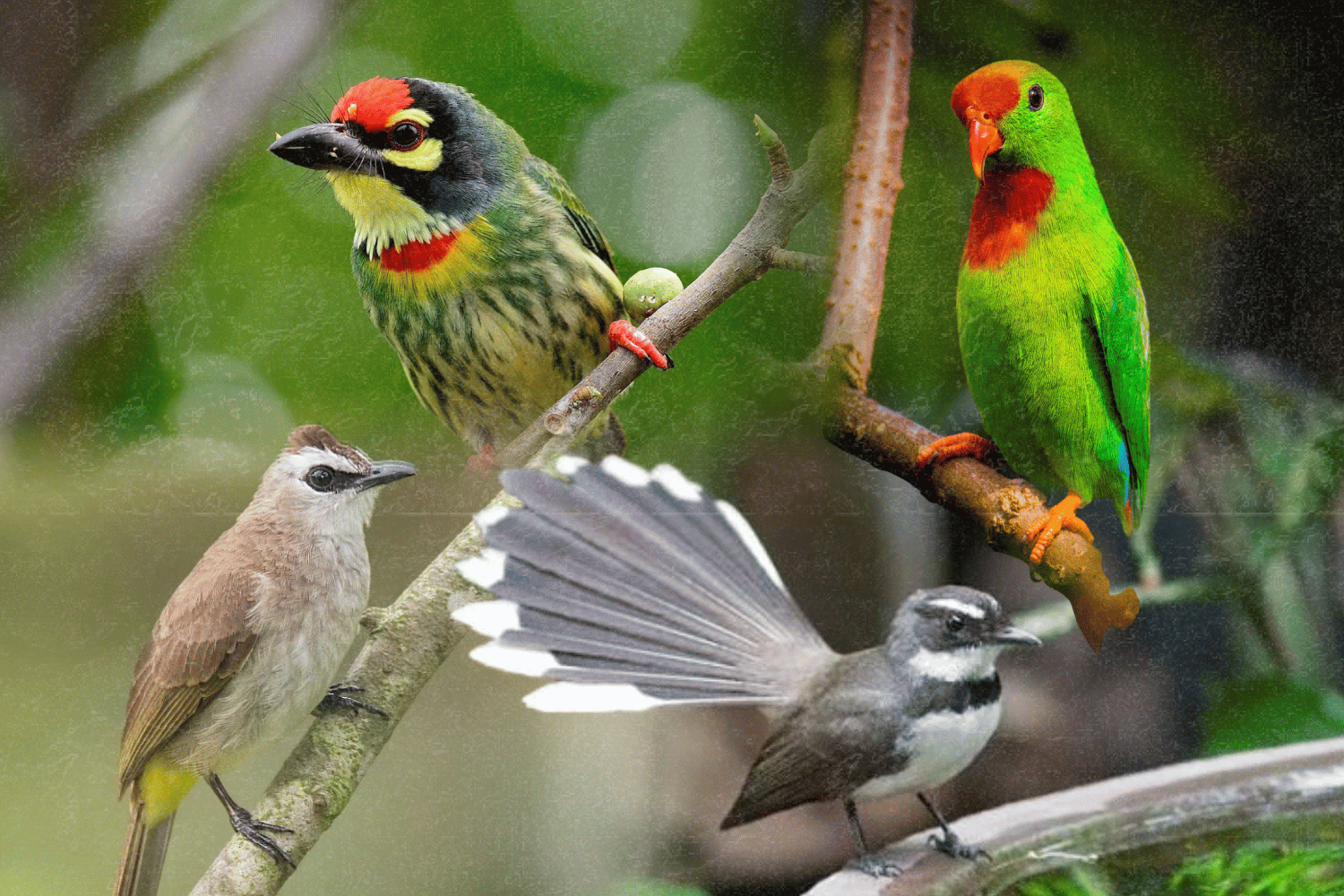
They’re called the bulbul, kulasisi, pokpok, and tuwad-tuwad.
You hear someone excitedly shout, “May bulbul sa puno!” Another points to a tiny green bird and says, “Ayan ang kulasisi!” Before the birdwatching lesson can continue, someone in the group bursts into laughter. It isn’t because the birds look funny. It’s because, in Filipino, their names have taken on meanings that are anything but innocent.
Nature, it turns out, has a wicked sense of humor.
The Philippines is home to some of Southeast Asia’s richest birdlife, with hundreds of native and endemic species. But among birdwatchers, a handful of birds have become accidental comedy stars because their local names also happen to be loaded with slang, double meanings, or phrases that can make even serious adults crack a smile.
The birds, of course, are completely innocent. It’s our language that’s guilty.
Bulbul
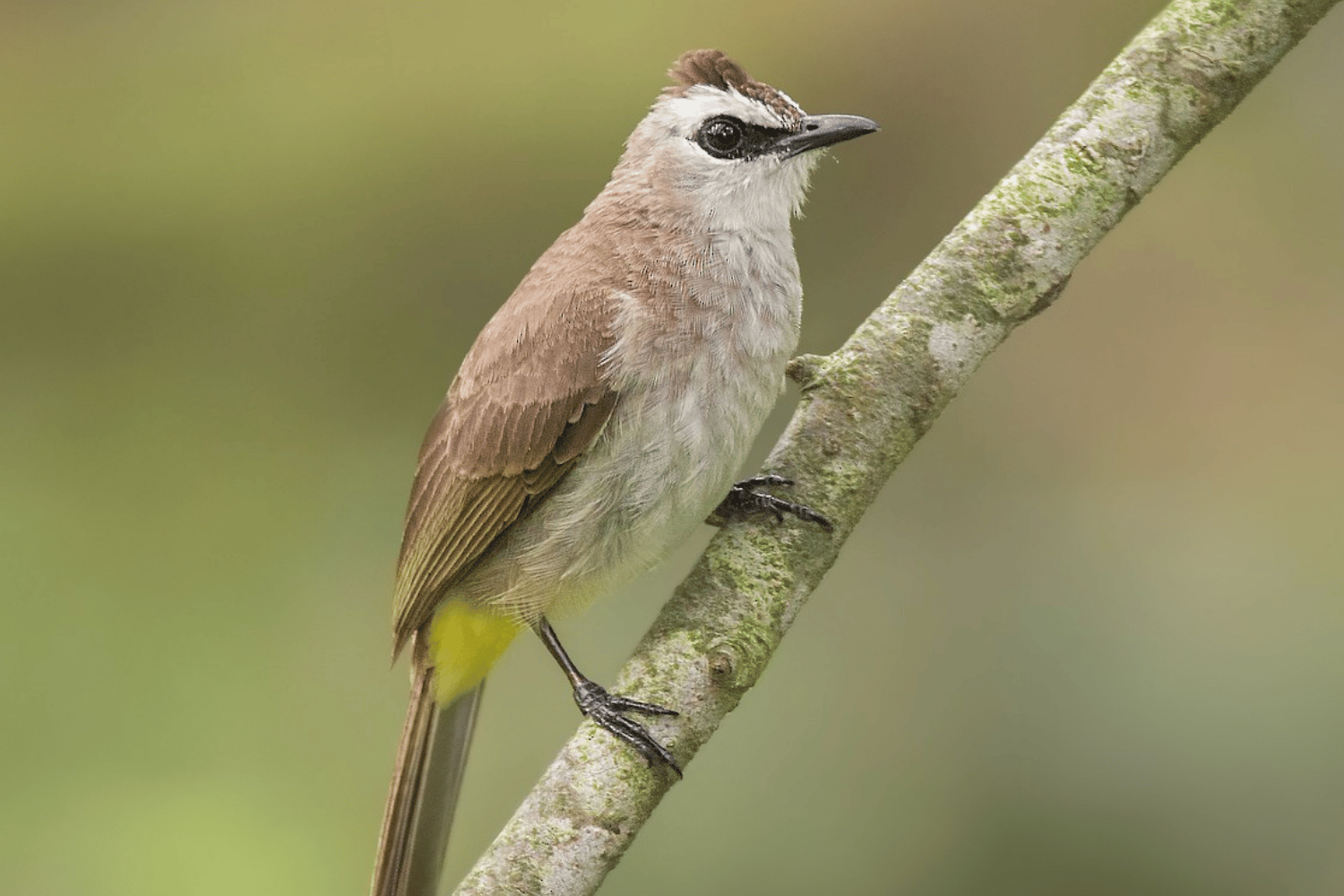
Perhaps no bird gets more giggles than the bulbul, a family of cheerful songbirds commonly seen in gardens and forests across the country.
To ornithologists around the world, “bulbul” is simply the accepted English name for members of the Pycnonotidae family. But in Tagalog, “bulbul” is also the slang term for pubic hair.
Imagine trying to tell someone, “Ang daming bulbul sa likod ng bahay.”
Technically correct. Socially risky.
Birdwatchers have long learned to say it with a straight face, while everyone else tries not to laugh.
Kulasisi
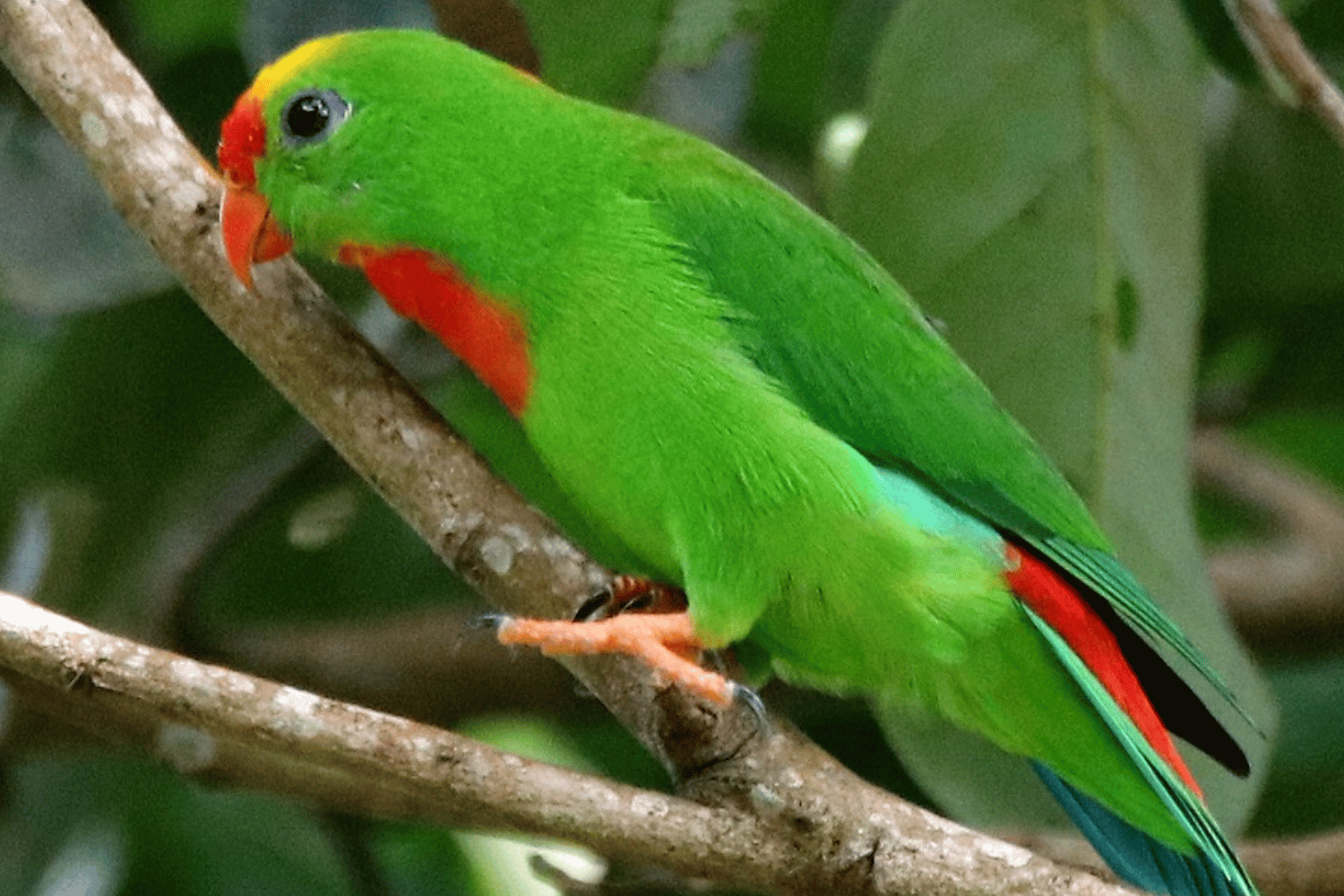
Then there’s the kulasisi, the colorful Philippine hanging parrot that spends much of its day hopping gracefully among branches.
Somewhere along the way, however, its name escaped the forest and entered Filipino pop culture.
Today, calling someone a “kulasisi” almost never refers to the bird. It has become one of the country’s most recognizable slang terms for a mistress or “the other woman.”
Poor little parrot. It did nothing wrong except become the victim of evolving language.
Pokpok
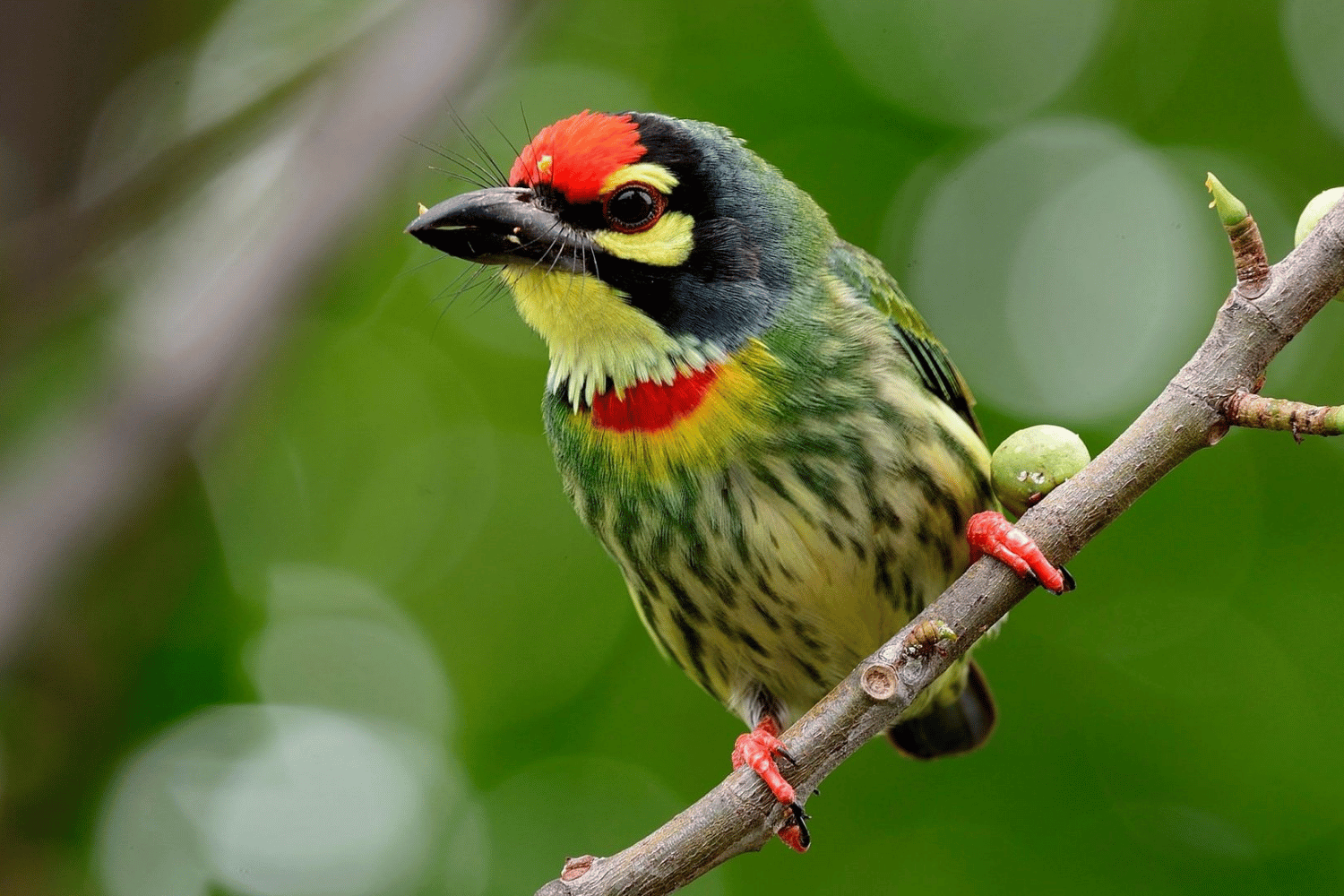
Another victim of unfortunate naming is the coppersmith barbet, locally nicknamed “pokpok.”
The name isn’t scandalous at all in its original context. It simply imitates the bird’s rhythmic metallic call that sounds like someone repeatedly striking metal: “pok… pok… pok.”
Unfortunately, modern Filipino slang gave “pokpok” an entirely different meaning associated with prostitution.
So while bird enthusiasts hear the call of a healthy forest ecosystem, everyone else hears a word that immediately raises eyebrows.
Tuwad-tuwad
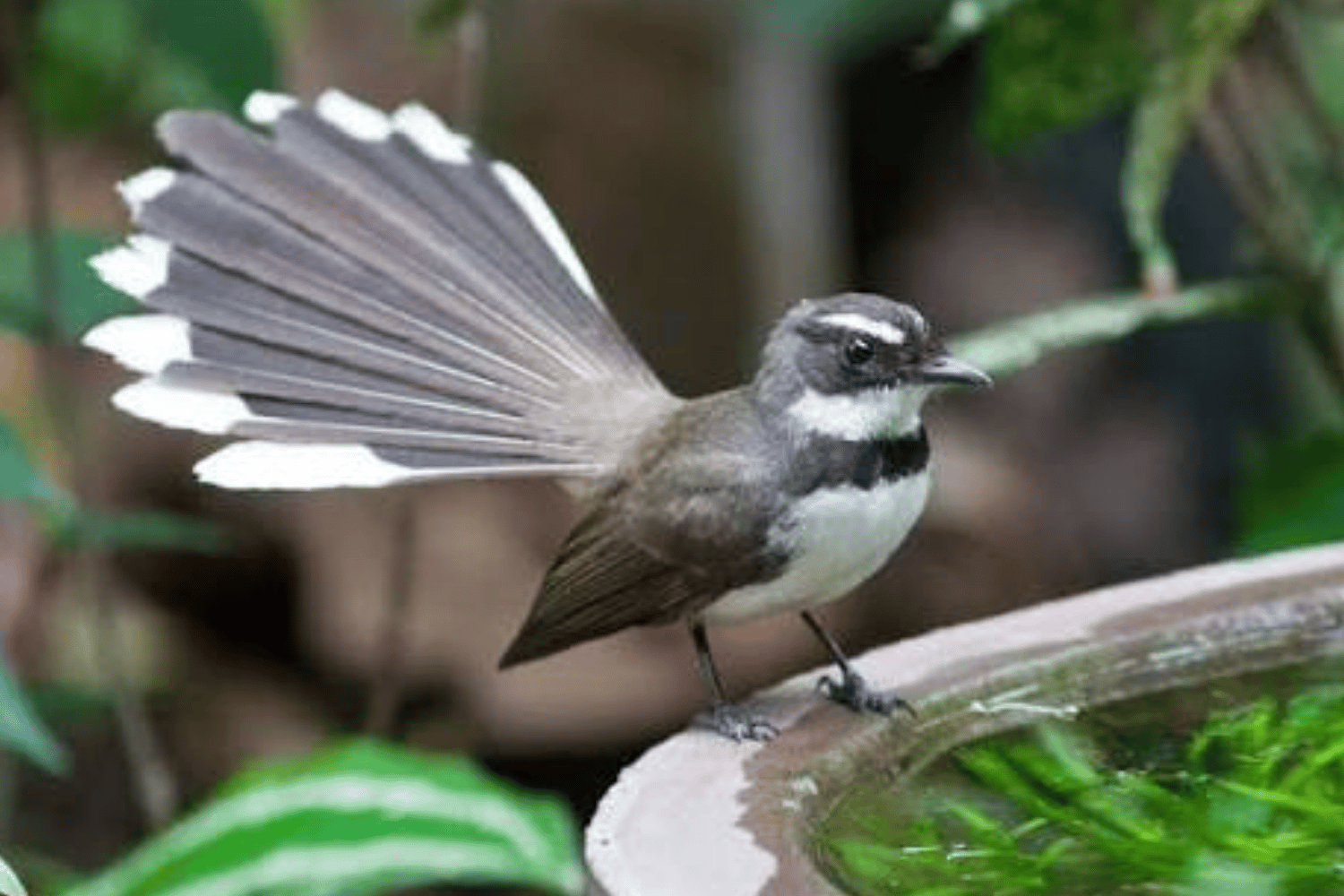
The Philippine pied fantail may have escaped modern slang, but its regional nickname still sounds hilariously suggestive.
In parts of the country, it is affectionately called “tuwad-tuwad,” literally describing someone bent over with their backside sticking out.
The nickname is surprisingly accurate. The energetic little bird constantly fans its tail, wiggles its rear, and strikes poses while chasing insects across gardens and backyards.
It isn’t trying to be provocative.
It’s simply doing what fantails do best.
When language outgrows nature
These birds remind us that language never stays still. Words that once described birds, sounds, or movements can eventually take on entirely new meanings through slang, pop culture, and everyday conversation.
The birds never changed.
We did.
So the next time someone excitedly points out a bulbul, a kulasisi, a pokpok, or a tuwad-tuwad, remember that you’re looking at some of the Philippines’ most fascinating native birds.
If you happen to laugh before reaching for your binoculars, you’re probably not the first. Nor will you be the last.