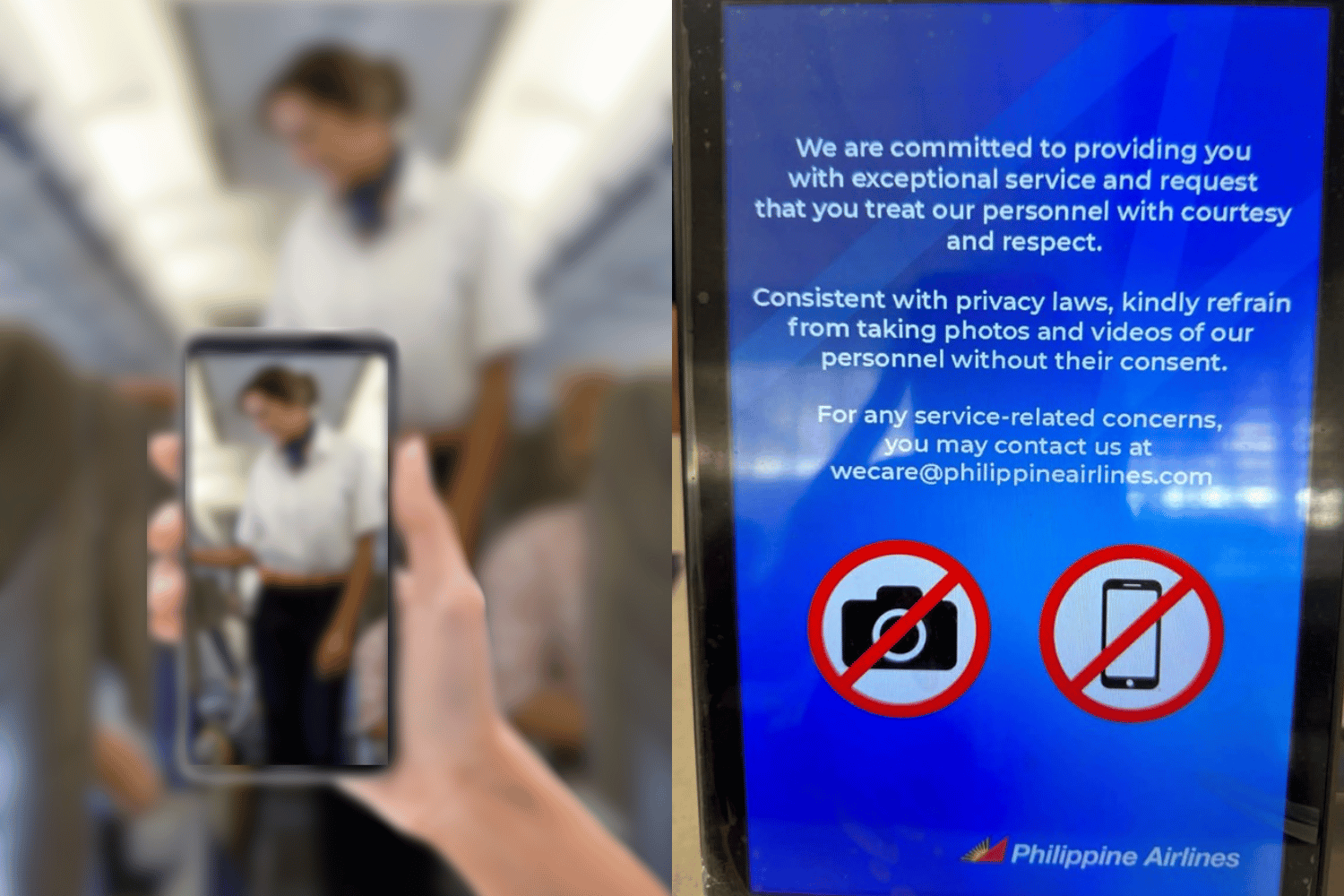
For years, flight attendants across the world have quietly become unwilling subjects of viral social media culture. Cabin crews are regularly photographed during flights, filmed while making announcements, or turned into “airport crush” content online without permission.
Some videos are playful. Others cross uncomfortable boundaries.
A smiling crew member handing out meals can suddenly become the subject of thirst comments from strangers. A worker simply doing their job can wake up to millions of views they never asked for.
The issue becomes even more complicated because flight attendants are public-facing employees. Many passengers mistakenly assume that because airline crews interact with the public, they automatically surrender their privacy.
But privacy experts argue otherwise.
Being visible at work does not mean consenting to be secretly recorded and uploaded online for entertainment.
The rise of short-form video culture has only intensified the behavior. Viral content thrives on spontaneity, attractive strangers, and “main character” moments. Airports and airplanes have become fertile ground for these clips because they naturally create emotionally heightened situations — reunions, farewells, luxury travel, attractive crew members, crying passengers, celebrity sightings.
In many cases, the people being filmed don’t even realize they are already trending online.
For cabin crews, the emotional toll can be exhausting. Beyond embarrassment, some flight attendants have reported online harassment, stalking, invasive comments, and strangers trying to identify them through flight details or name tags visible in videos.
Others feel pressured to smile through uncomfortable situations because they are expected to remain professional at all times.
Ironically, the same passengers who demand respect and privacy for themselves while traveling may unknowingly violate someone else’s in pursuit of viral content.
The reminder from Philippine Airlines arrives at a time when conversations about digital consent are becoming more urgent. Just because technology allows people to instantly record others does not always mean they should.
A viral post may last only days on the internet.
But for the person whose face was turned into content without permission, the discomfort can linger much longer.