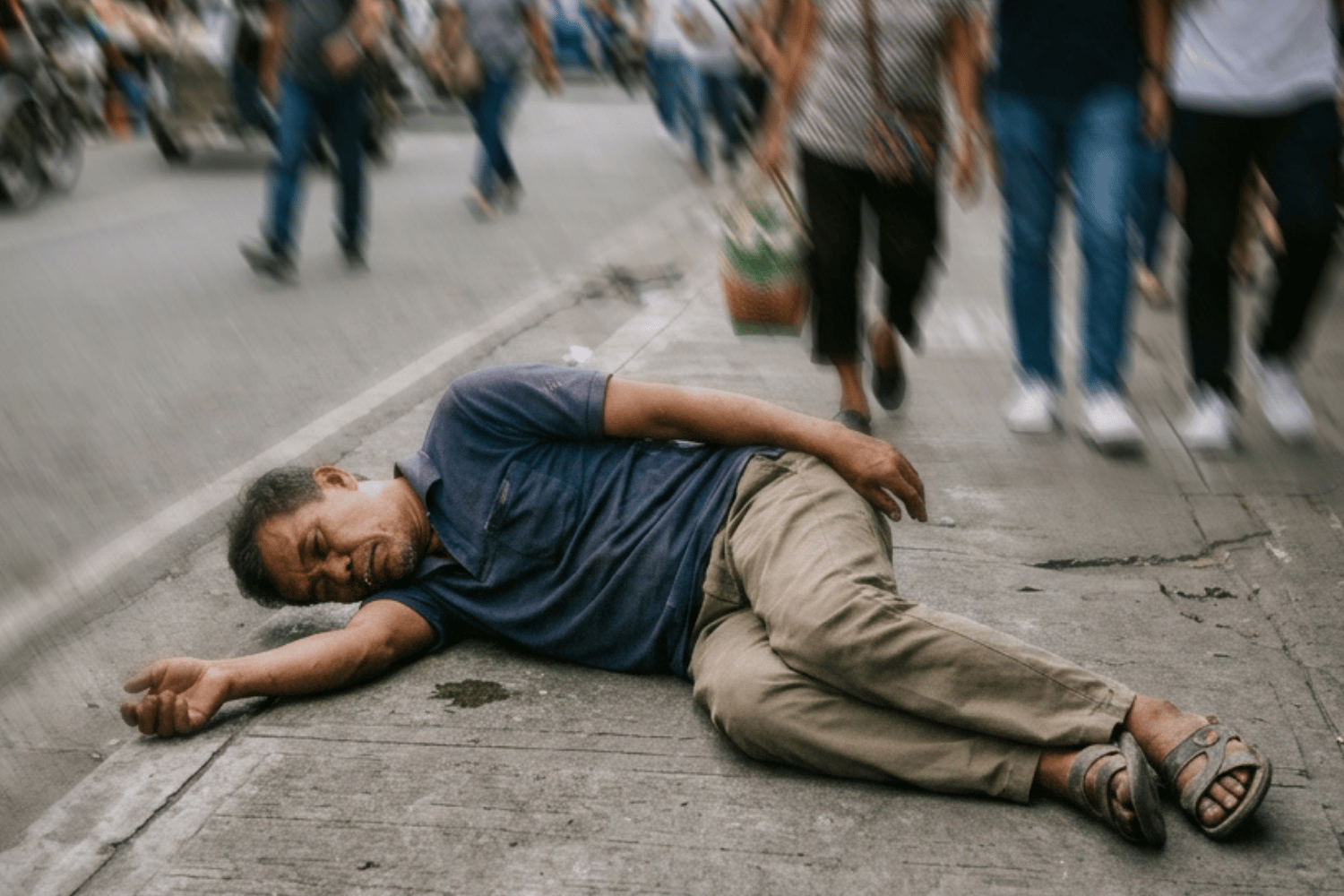
A motorcycle rider crashes along EDSA. Within seconds, a crowd gathers. Motorists slow down, pedestrians stop to stare, and several people pull out their phones to record the incident. Yet nobody immediately approaches the injured rider.
Everyone assumes somebody else will help.
This familiar scenario illustrates the bystander effect, a psychological phenomenon in which people become less likely to intervene when other witnesses are present.
The concept was developed by American social psychologists Bibb Latané and John Darley in the 1960s, following the widely publicized murder of Kitty Genovese in New York in 1964.
Their research revealed a disturbing paradox: the presence of more witnesses can actually discourage individual action.
Why crowds sometimes do nothing
Psychologists identify three mechanisms behind the phenomenon.
The first is diffusion of responsibility. When several people witness an emergency, each assumes someone else will respond, call authorities, or provide assistance.
The second is pluralistic ignorance. People look at others for clues about how serious a situation is. When everyone appears unconcerned, witnesses may mistakenly conclude that intervention is unnecessary.
The third is evaluation apprehension, or the fear of embarrassment, criticism, or making a mistake.
In the Philippines, these reactions may be reinforced by concerns about getting involved in strangers’ disputes, attracting unwanted attention, or facing possible legal complications.
Whether witnessing a street accident, public harassment, or someone collapsing inside a shopping mall, people may hesitate even when they recognize that something is wrong.
How to break the silence
Psychologists recommend assigning responsibility to specific individuals rather than appealing to an entire crowd.
Instead of shouting “Somebody call an ambulance!” a person can point directly at someone and say, “You in the blue shirt, call 911!”
Witnesses can also break the cycle by taking the first safe action, such as alerting security personnel or contacting emergency responders.
The bystander effect does not necessarily mean people lack compassion. It demonstrates how social pressure and shared responsibility can sometimes overpower the instinct to help.
And sometimes, the difference between a crowd that merely watches and one that saves a life is a single person willing to act.
READ: