Here’s what believers avoid to keep bad luck away.
You were finally ready to open your dream business. The permits were complete, the lease was signed, and the grand opening was just days away. Then an elder in the family offered one piece of advice: “Hintayin mo munang matapos ang Ghost Month.”
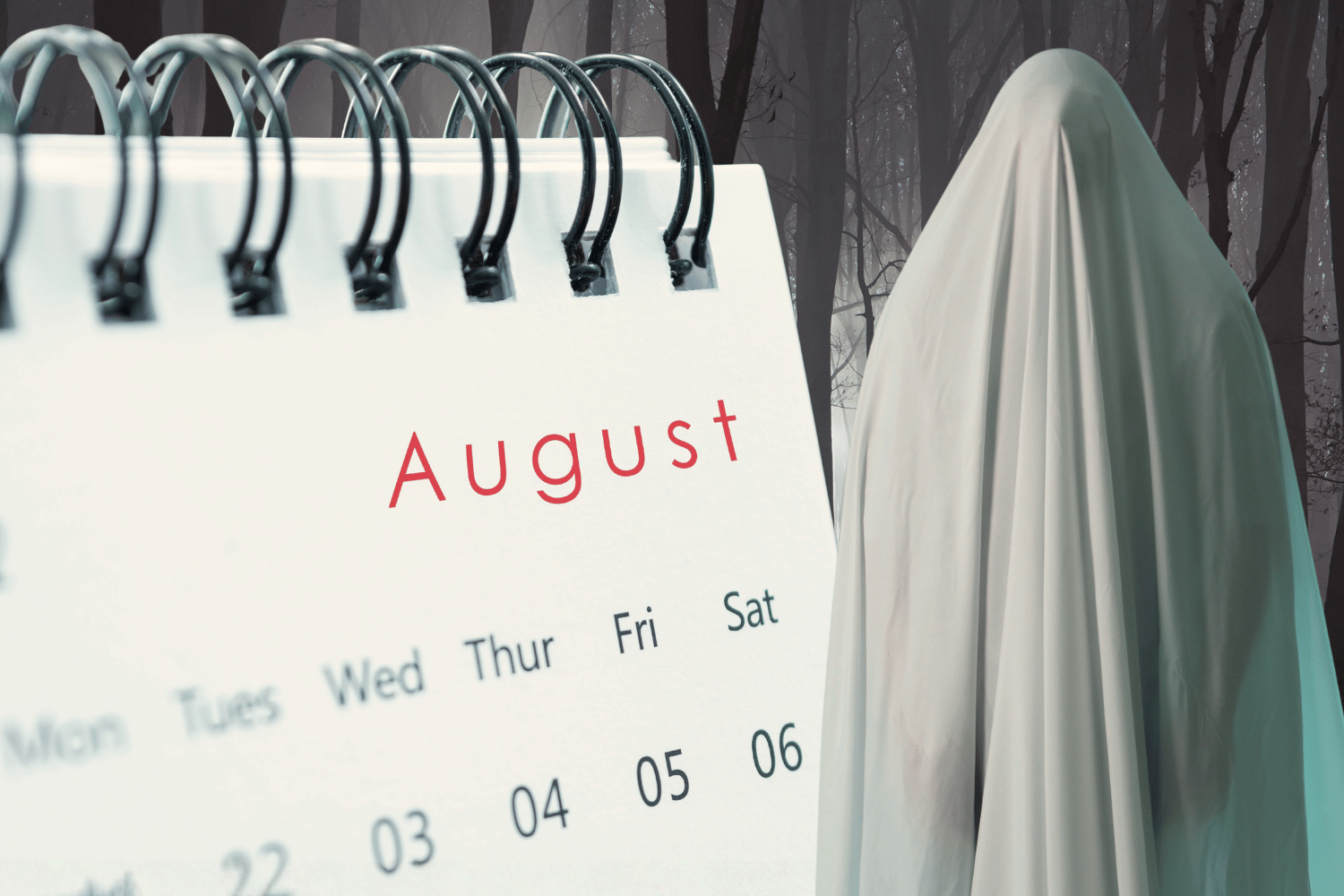
It is a warning heard every year in many Filipino-Chinese households. Ghost Month, a centuries-old Buddhist and Taoist tradition, is believed to be the time when the gates between the living and the dead open, allowing restless spirits to roam the earth. This year, Ghost Month falls from August 13 to September 11, with the Hungry Ghost Festival, or Ghost Day, observed on August 27.
Whether you believe in it or not, Ghost Month remains one of the most enduring traditions observed in the Philippines, particularly among Filipino-Chinese families. Over the years, many Filipinos outside the Chinese community have also adopted some of its customs, treating the period as a time to be extra cautious.
When the gates are said to open
According to Buddhist and Taoist belief, the seventh month of the lunar calendar is when the gates of the underworld temporarily open. Spirits—especially those who died tragically, have no descendants to remember them, or have unfinished business—are believed to wander among the living.
These wandering souls are often called “hungry ghosts” because they are thought to seek food, comfort, entertainment, and offerings from the living. Families prepare food, burn incense, and make symbolic offerings to appease them and prevent misfortune.
Why people avoid big decisions
Because the month is considered inauspicious, many believers postpone major life events until it ends.
Commonly avoided activities include getting married, opening a new business, buying a house or vehicle, signing important contracts, or making large financial investments. The belief is that restless spirits may bring instability or bad luck to new ventures.
Many also avoid staying out late at night, believing spirits are strongest after dark.
Swimming is another well-known taboo. According to folklore, the spirits of those who drowned may try to pull swimmers underwater so they can take their place.
Even everyday habits are surrounded by superstition. Whistling at night is believed to attract wandering spirits, while hanging clothes outside after sunset supposedly gives ghosts a place to attach themselves.
Believers also avoid picking up loose coins, food, or other objects found on sidewalks or street corners, as these may have been left as ritual offerings for the dead.
How believers try to keep bad luck away
For many families, Ghost Month is not about fearing spirits but showing them respect.
Traditional offerings often include rice, fruit, meat, sweets, tea, and incense placed on temporary outdoor altars or in front of homes. Many also burn joss paper, or symbolic paper money and paper goods, which are believed to provide comfort and wealth to spirits in the afterlife.
Some households sprinkle rock salt near doors and windows as a symbolic barrier against negative energy. Others keep their homes bright during the day, open windows to let in fresh air, and wear bright colors believed to represent positive or “yang” energy.
In the Philippines, Ghost Month has also blended with Catholic traditions. Some families offer prayers or request Mass intentions for departed relatives and forgotten souls, combining Chinese customs with local religious practices.
A cultural tradition, not a scientific fact
There is no scientific evidence that Ghost Month causes accidents, financial losses, or misfortune. The customs surrounding it are rooted in centuries-old Buddhist and Taoist beliefs, cultural traditions, and folklore rather than scientific proof.
Still, for many Filipinos, observing Ghost Month is less about superstition and more about honoring family traditions and showing respect for the dead.
So if someone tells you to postpone a wedding, delay a business opening, or hold off on buying a new home until after September 11, you’ll know the reason isn’t in the stars—it’s in a tradition that has endured for generations.
READ:

FACT CHECK: ‘Wag mag-panty sa gabi’ advice does not prevent UTIs, experts say
Allyson Capati
July 22, 2026

Health advice from AI cartoons are trending, but can they be trusted?
Rei Marquez
February 20, 2026

ANALYSIS: Why businesses invest in loyalty programs and why customer retention matters more than ever
Kenneth M. del Rosario
July 27, 2026