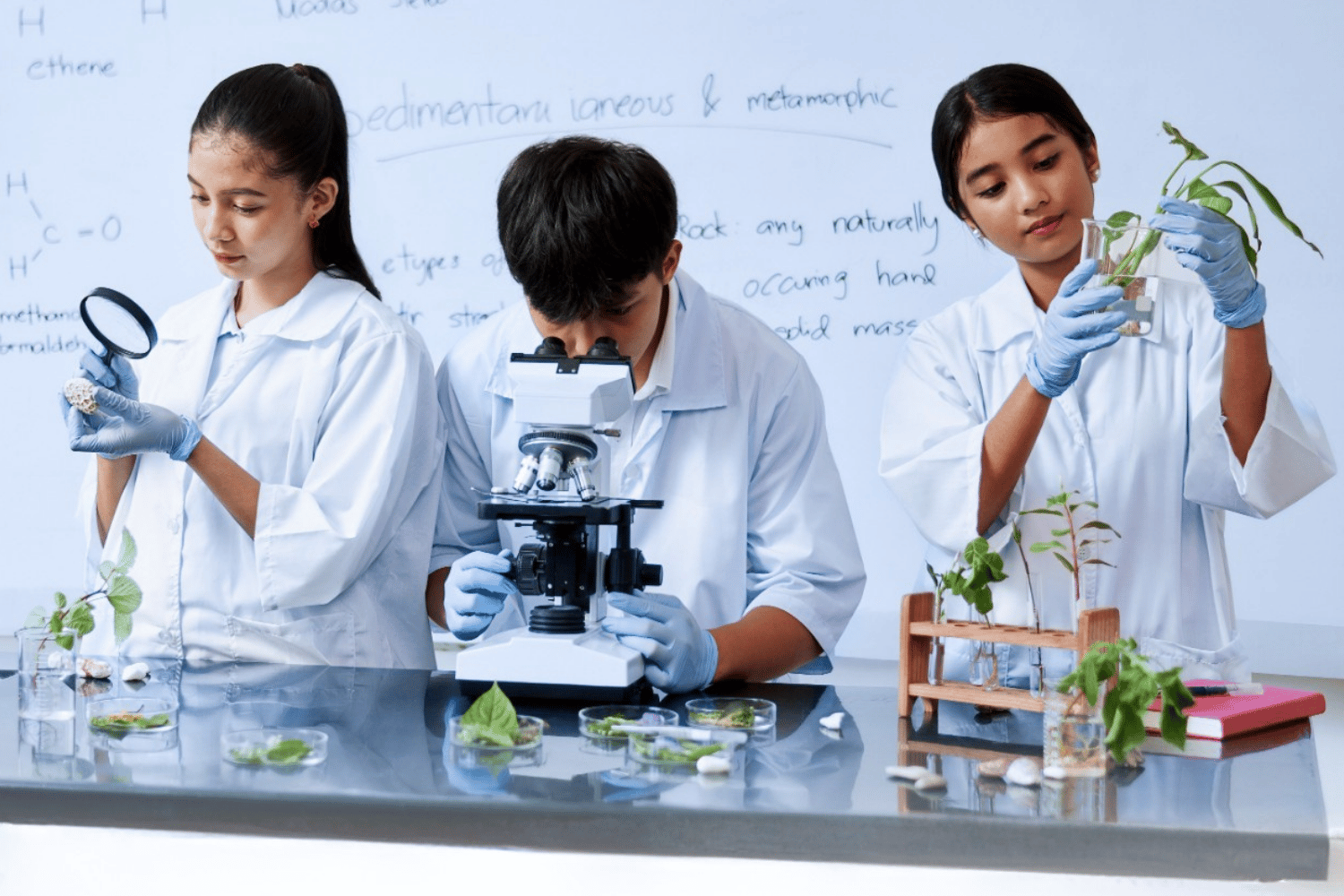
The proposed ₱8.67B budget would support 67,504 DOST scholars.
₱8.67B for DOST scholars is a bet on Filipino talent.
The government is putting more money into STEM scholarships next year, giving more Filipino students a chance to pursue science and technology education. That investment could help build the talent Filipino businesses need, but its value will ultimately depend on what happens after graduation.
The proposed budget for DOST scholarship programs is meant to support 67,504 scholars nationwide, or 2,407 more than the 65,097 funded under the 2026 General Appropriations Act. The allocation is up 3.7% from this year.
More students getting access to science and technology education is certainly good news, particularly for families who might otherwise struggle to afford it. Still, a bigger scholarship budget should eventually be measured by more than the number of students receiving financial support.
The Department of Budget and Management says the scholarships will help build a pool of scientists, engineers, researchers and innovators who can contribute to agriculture, health, disaster resilience, digital transformation and industry.
That is where the program becomes a business issue. Filipino companies need people who can develop technology, improve production, conduct research and solve problems that can make businesses more productive and competitive.
The proposed ₱8.67 billion would be divided between the DOST-Science Education Institute, which would receive ₱7.55 billion for undergraduate and graduate scholarships and advanced specialized training, and the Philippine Science High School System, which would get ₱1.12 billion.
But getting students into the pipeline is only the beginning.
If the scholarships are properly awarded to deserving students and efficiently administered, the program can help build the skilled workforce the country needs. The real payoff, however, depends on what happens after those students graduate.
Do scholars find research and engineering jobs that match their training? Do Philippine companies have enough opportunities for them? Do they go on to build businesses, develop new technologies or improve industries here?
Those are the results taxpayers should eventually be able to see. The government can count 67,504 scholars next year, but the more useful measure will come later, when we see how many become researchers, engineers, entrepreneurs and other professionals who contribute to Philippine businesses and the wider economy.
₱8.67 billion can put more students through school. The payoff will come from what those students are able to do with that education.
READ: