The Philippine passport comes with a burden of suspicion
Considered a weak passport, it ranks 75th globally
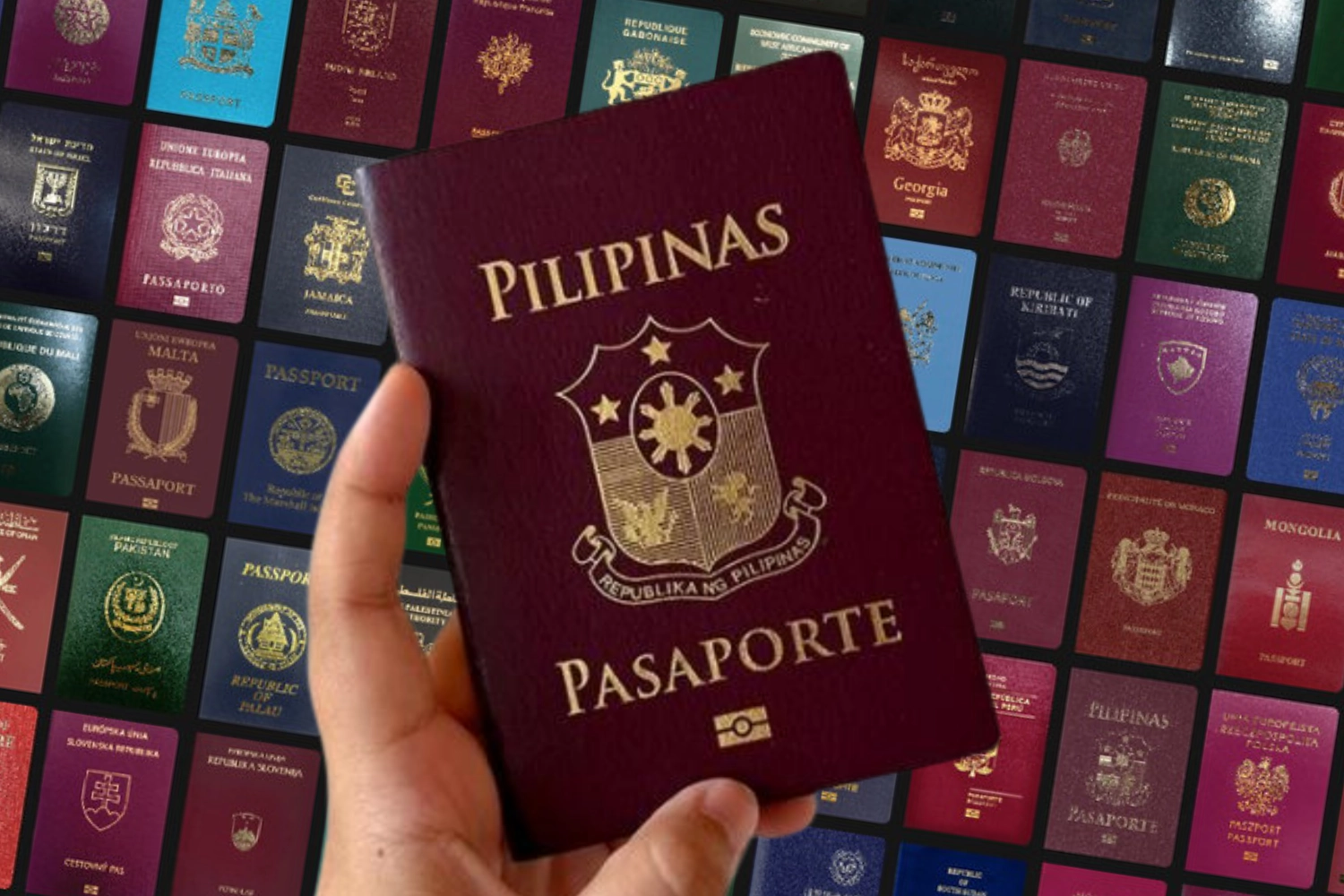
Planning a vacation to Europe, the United States, or Japan? If you’re Filipino, prepare your bank statements, employment certificates, income tax returns, proof of financial capacity, and sometimes even documents showing why you intend to return home.
Then pay the visa application fee, attend an appointment if required, and wait for a decision. Even after submitting everything, approval is never guaranteed.
Meanwhile, a Singaporean traveler can visit many of these same destinations simply by presenting a valid passport and meeting the usual entry requirements.
Why do Filipinos have to prove so much just to travel?
The answer lies partly in the strength of the Philippine passport—and the economic, migration, and diplomatic realities behind it.
In the 2026 Henley Passport Index, the Philippines ranks 75th globally, with access to approximately 66 destinations without obtaining a traditional visa in advance.
The problem is not the passport booklet itself. It is how foreign governments assess the Philippines as a country of origin for international travelers.
The problem with overstaying
One major concern is irregular migration.
For decades, some Filipinos have entered foreign countries as tourists but remained to work without authorization. Commonly called TNT, or tago nang tago, this practice has contributed to concerns about visa overstaying and unauthorized employment.
Although most Filipino travelers comply with immigration laws, governments may consider broader migration patterns when deciding whether to grant visa-free access.
The result? The actions of a minority can affect the travel privileges of millions.
The economic factor
A country’s economic strength also influences international mobility.
Citizens of wealthier countries with stable employment opportunities are generally perceived as having fewer economic incentives to seek unauthorized work abroad.
The Philippines, meanwhile, remains a major source of overseas workers. While overseas employment is legal and contributes significantly to the economy, disparities in wages and job opportunities can influence how destination countries assess migration risks.
The problem with reciprocity
There is another uncomfortable reality.
The Philippines welcomes citizens of more than 150 countries without requiring visas for qualifying short visits, yet many of these countries do not extend the same privilege to Filipinos.
Visa-free arrangements are not automatically reciprocal. Each government determines its own entry policies based on immigration, security, economic, and diplomatic considerations.
Consequently, Filipinos often face restrictions that visitors to the Philippines do not.
Document security matters, too
Foreign governments also evaluate the reliability of passports and supporting identity documents.
Cases involving fraudulent birth certificates, questionable identities, and falsified civil records can raise concerns about document integrity.
Strengthening the Philippine Statistics Authority’s civil registry systems, improving identity verification, and maintaining secure biometric passports can help build international confidence.
How can the passport become stronger?
Improving the Philippine passport requires more than negotiating additional visa-free destinations.
The government must strengthen diplomatic relationships, pursue reciprocal travel agreements, combat document fraud, and improve migration management.
More importantly, creating better-paying jobs and stronger economic opportunities at home can help reduce the pressures that contribute to irregular migration.
These changes take years, and no single reform guarantees visa-free access.
What can ordinary Filipinos do?
While individual travelers cannot improve the country’s passport ranking, they can strengthen their own visa applications.
Building a history of lawful international travel, complying with immigration requirements, maintaining credible financial records, and demonstrating employment, business, or family ties to the Philippines can help establish a legitimate travel purpose.
Previous visas and international trips may support an application, although they do not guarantee approval.
Ultimately, a stronger Philippine passport is not merely about making vacations easier.
It is about building a country whose citizens enjoy greater international mobility because other governments have confidence in its economy, institutions, and immigration record.
And that is a challenge that cannot be solved by the Department of Foreign Affairs alone.
READ:

Filipino traveler clashes with immigration officer over passport stamp
John Lloyd Aleta
November 9, 2026
Getting a Philippine passport starts with an appointment that can take months to book
John Lloyd Aleta
October 21, 2026
EXPLAINER: Passport application rejected over birth certificate errors?
Top Dagohoy
October 28, 2026