The legal steps to hold pet poisoners criminally accountable.
TRIGGER WARNING: Sensitive images, animal abuse
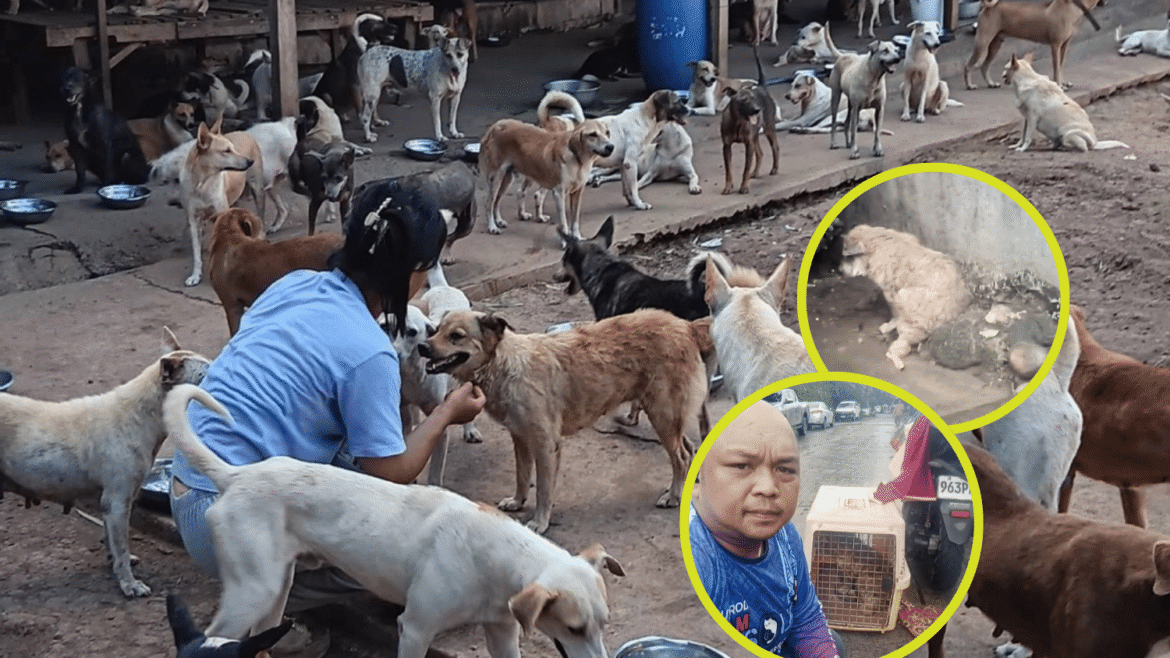
An alarming spike in dog and cat poisonings is flooding local social media feeds, highlighted by recent mass stray culls and the poisoning of 13 dogs in Iloilo last April. While public anger peaks online, the Philippine Animal Welfare Society (PAWS) issues a critical reality check: viral videos and online call-outs do not equal legal action.
To secure true justice, grieving pet owners must move past social media outrage and execute strict institutional steps to criminally prosecute these abusers.
What to do right away
If you suspect your pet has ingested poison—such as rat bait, pesticide-laced food scraps, or public weed killers—every single second counts.
First, secure immediate veterinary intervention. Do not waste time asking for home remedies on Facebook; transport the animal to the nearest 24/7 clinic immediately and call ahead so the staff can prepare standard IV fluids and charcoal binders.
Second, collect the material evidence. If your pet vomits, or if you spot suspicious food bowls or meat scraps thrown near your gate, wear gloves, bag the material immediately, and preserve it. This serves as vital physical evidence for toxicological analysis.
How to file a case for deliberate poisoning
Under the Animal Welfare Act (RA 8485, amended by RA 10631), animal poisoning is a criminal offense carrying up to two years of imprisonment and ₱100,000 in fines. To prosecute abusers successfully, you must build an airtight case using the PAWS framework.
First, secure a veterinary affidavit or necropsy. A vet must formally certify that toxins caused the illness or perform an autopsy if the pet passes away. Without this medical proof, courts dismiss cases as hearsay. Next, gather definitive evidence linking the suspect to the crime, such as neighbor testimonies or CCTV and dashcam footage showing the poison being deployed.
Finally, file a formal blotter at your barangay hall or police station and secure a certified copy to establish a legal paper trail.
Once you have the medical records, witness affidavits, and police report, you can contact PAWS for free legal assistance. They will help you fight in court, provided you commit to rejecting under-the-table financial settlements.
The local surge in pet poisonings highlights a malicious disregard for animal rights. Because social media shaming cannot stop this trend, we must treat animal cruelty as a serious crime. Stop just posting videos—gather medical receipts, file official blotters, and force the justice system to hold these poisoners criminally accountable.
Remember: true justice happens in court, not on newsfeeds. Follow the steps mentioned here.
READ: