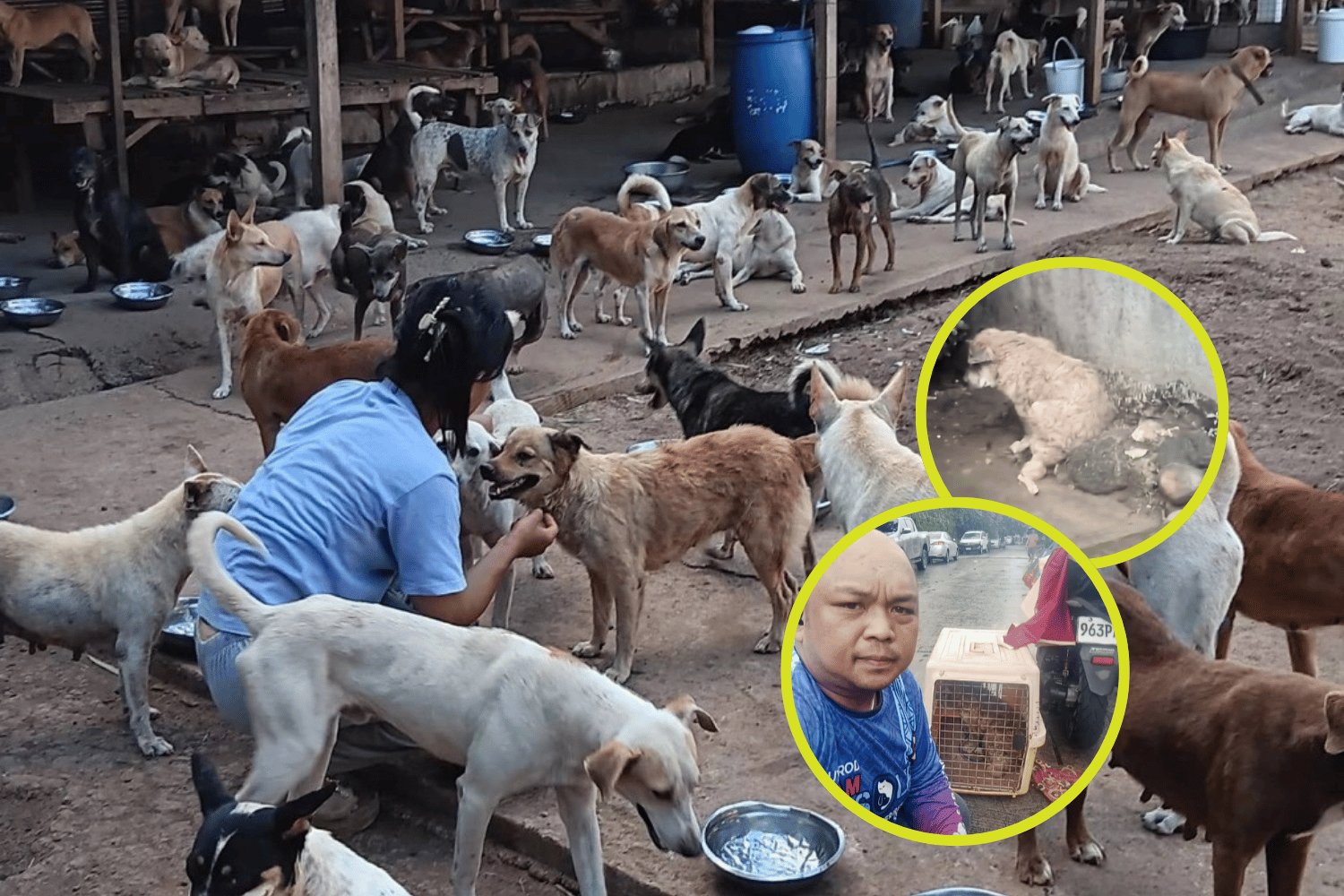
HANA Rescue Shelter warns of total operational collapse in Rizal as drop in public donations leaves 300+ animals stranded.
A senior dog abandoned amid heavy rains has been rescued by concerned animal welfare advocates, but the case has also added pressure on an already stretched animal shelter in Rizal.
Hope for Abused and Neglected Animals (HANA), a rescue shelter in Baras, Rizal, recently took in “Maxine,” an elderly Aspin (short for Asong Pinoy) who was suffering from frail and vulnerable health conditions. In a social media post, the shelter shared how she endured hunger, fear, and the cold rain alone before rescuers arrived and stepped in to give her urgent care and comfort.
The story of Maxine
With Maxine now in stable condition, the shelter said it is facing renewed operational pressure, as donations continue to slow while daily expenses keep rising.
HANA currently houses more than 300 rescued cats and dogs, relying largely on small, community-driven donations to cover food, medicine, utilities, and sanitation. The group said it is “physically, emotionally, and financially exhausted” and warned that without additional support, it risks scaling back or shutting down operations altogether.
One of its urgent concerns is building a septic tank for its growing animal population ahead of the rainy season. The organization estimates it needs around ₱26,000 for materials and labor, saying the facility is necessary to maintain sanitation and prevent issues with surrounding communities.
Animal welfare groups across the country have long struggled with overcrowding, rising veterinary costs, and limited funding, as abandoned pets continue to enter shelters faster than they can be adopted.
HANA currently houses more than 300 rescued cats and dogs, relying largely on small, community-driven donations to cover food, medicine, utilities, and sanitation.
radar Recommends
Optimizing resource allocations for nonprofit care facilities
For independent shelter administrators, stop relying exclusively on irregular, high-stress viral emotional appeals to fund your daily operations. Rebuild your digital donation framework around automated monthly micro-subscriptions via online wallets, encouraging supporters to commit to a fixed, manageable ₱100 or ₱200 monthly deduction. Building a predictable recurring revenue baseline allows your logistics team to accurately plan food procurement and secure stable bulk pricing.
When distributing emergency funds inside a dense animal facility, prioritize long-term sanitation investments over temporary fixes. Allocating capital to build infrastructure assets like HANA’s proposed ₱26,000 septic tank ensures total compliance with Department of Health (DOH) guidelines. This simple step permanently insulates your facility from costly local code fines or forced eviction orders, securing a safe environment for your animals for years to come.
For local shelters looking to insulate their operational budgets from rising commercial pet food prices, establish direct waste-diversion partnerships with nearby supermarkets, commissaries, and poultry processors. Securing safe, clean food by-products—such as leftover broken rice kernels (binlid) and unsold animal proteins—allows your kitchen staff to formulate nutritious, low-cost homemade pet meals in bulk, slashing your monthly commercial feed expenses by up to 40%.
READ:
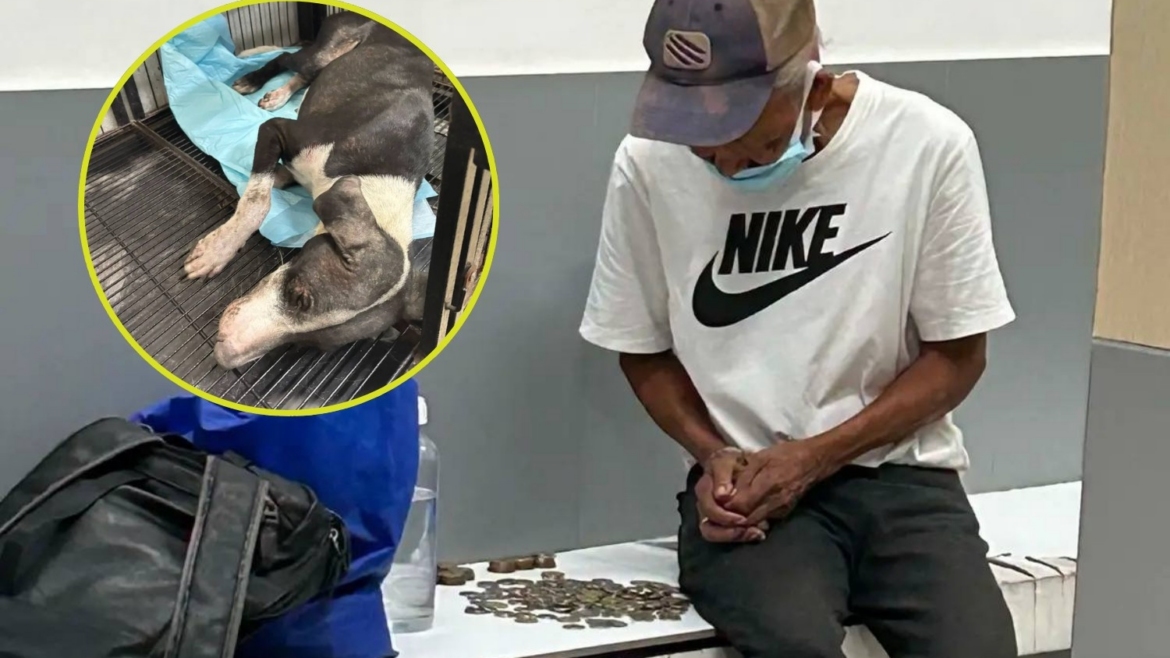
“Tatay” counted coins to save his beloved dog
John Lloyd Aleta
May 22, 2026
John Lloyd Cruz, Isabel Santos hold pet care drive in memory of Noah in Siargao
Kiko Escuadro
April 20, 2026
How to protect your dogs from heat stroke during PH’s scorching summer
radar Lifestyle
April 20, 2026
Tags: abandoned Aspin senior dog Maxine health careanimal welfare shelter funding crisis Philippinescommunity donation dependency NGO survivalHANA shelter Baras Rizal animal rescue 2026non profit organization operation maintenance costsSeptic tank facility sanitation construction overheadsstray animal overcrowding adoption deficitveterinary medicine pet food price inflation