Calculate true margins, find your break-even point, and build a cash reserve before spending a single peso.
You have ₱500,000 in savings and are finally thinking of putting up a business.
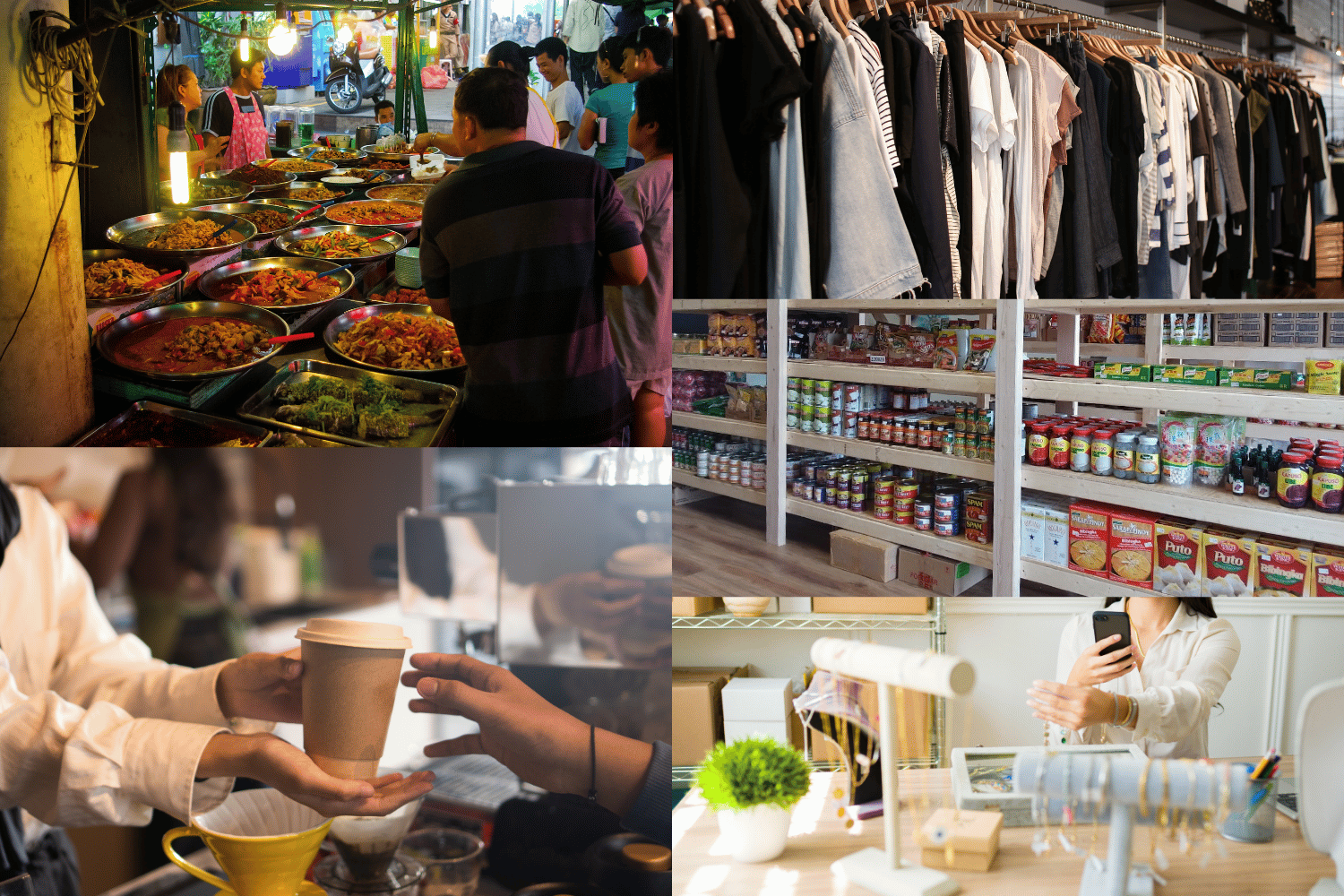
A coffee shop sounds promising. A small restaurant seems practical because everybody eats. Maybe a clothing boutique, sari-sari store or online shop would be safer.
You calculate the selling price, subtract the cost of the product and imagine the difference as profit.
Then come rent, salaries, electricity, taxes, spoilage, platform fees, discounts and inventory that refuses to move.
Suddenly, the question is no longer “How much can I earn?” It is “How long can I afford to lose money?”
There is no official Department of Trade and Industry ranking of the five businesses with the highest failure rates in the Philippines. Viral figures claiming that 60 or 90 percent of particular businesses fail should therefore be treated cautiously.
But government statistics reveal just how crowded—and financially unforgiving—some of the country’s favorite businesses can be.
Restaurants and food stalls
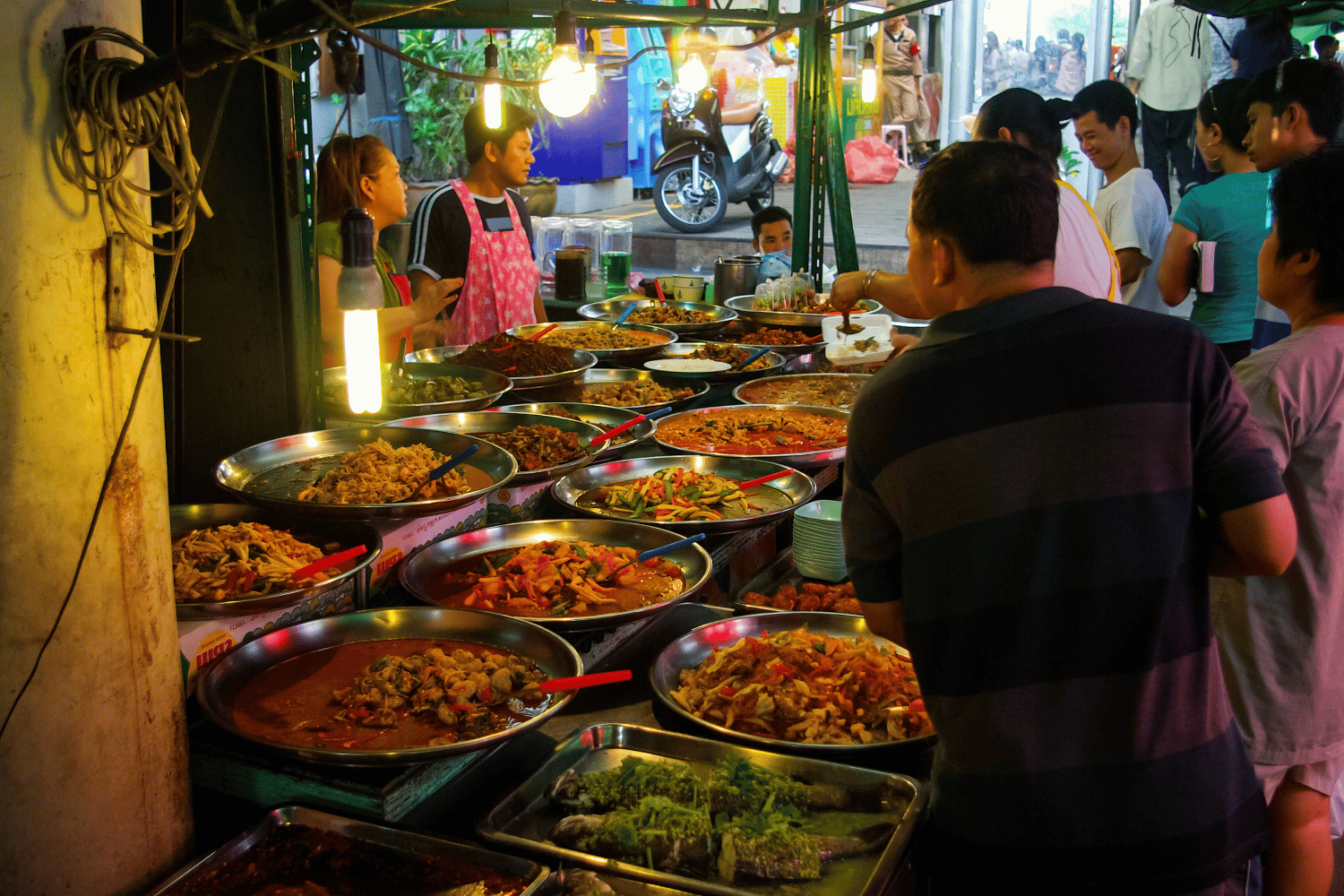
Food is huge, but competition is brutal.
The Philippine Statistics Authority counted 27,638 formal restaurants and mobile food-service establishments in 2024, representing nearly three-fourths of accommodation and food-service establishments.
These businesses generated ₱641.76 billion in revenue but also incurred ₱568.93 billion in expenses.
Spoilage, salaries, rent and utilities can quickly consume seemingly healthy sales.
Coffee and beverage shops
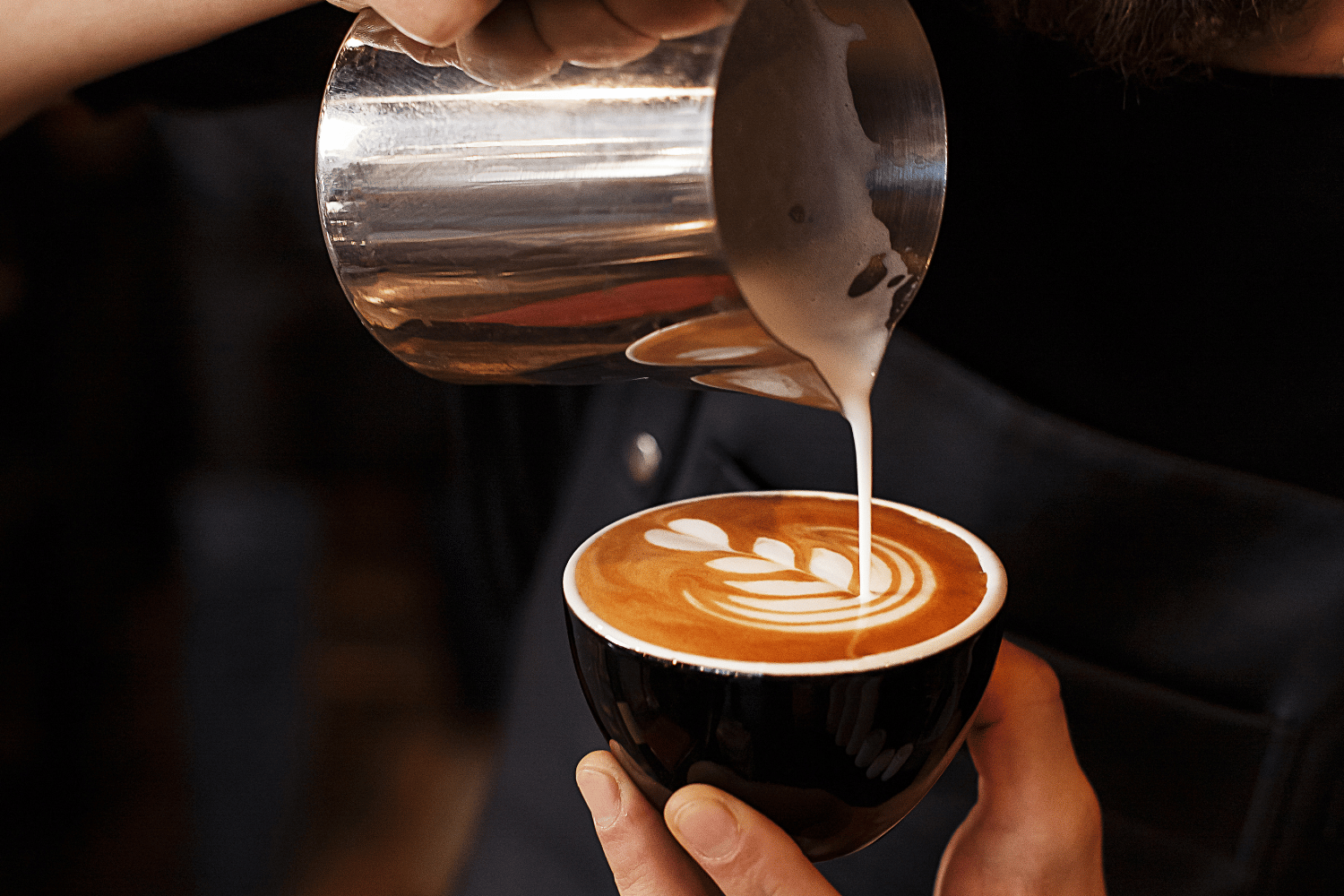
PSA counted 4,374 beverage-serving establishments in 2024, up from 3,590 in 2022. Combined revenue reached ₱66.95 billion against ₱57.90 billion in expenses.
The growth also means more businesses competing for the same customers.
That ₱180 drink may look highly profitable until rent, equipment, labor, electricity, packaging and unsold ingredients enter the equation.
Clothing and fashion retail

Retail is one of the most crowded parts of the Philippine economy.
PSA counted 125,257 formal wholesale and retail establishments in 2022, accounting for 44.4 percent of establishments covered by its economy-wide formal-sector survey.
For fashion sellers, there is another danger: dead inventory. Today’s trendy clothes can become tomorrow’s clearance items while thousands of pesos remain trapped in unsold merchandise.
Sari-sari and micro retail stores
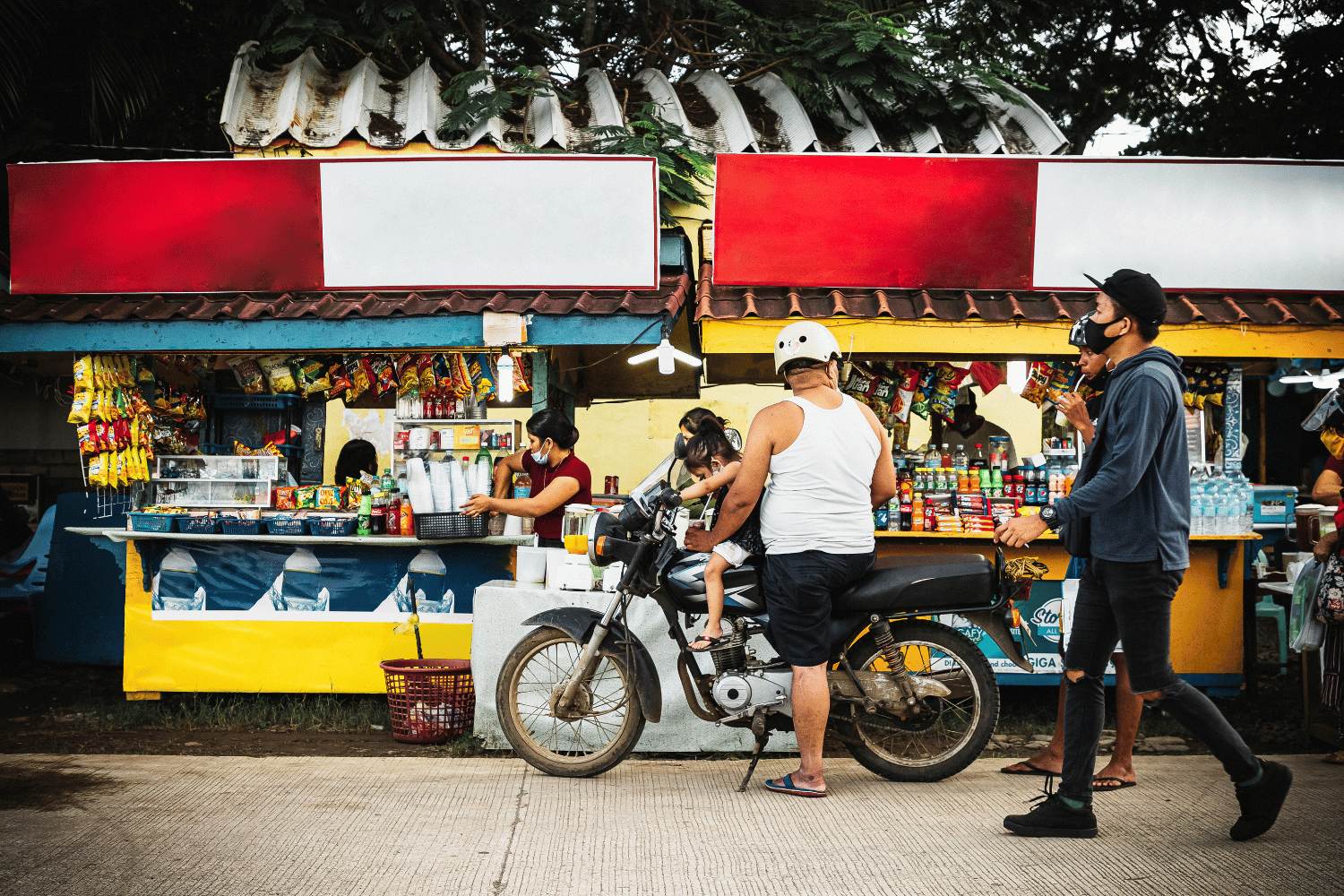
The sari-sari store’s greatest strength—its low barrier to entry—is also part of its vulnerability.
Competition can exist literally next door. Small margins mean unpaid utang, family consumption and poor bookkeeping can rapidly consume the cash needed to restock.
A store can still have products on its shelves while already running out of money.
Generic online reselling

Opening an online shop is easy. Building one that consistently makes money is harder.
When dozens of sellers offer essentially identical products, competition often becomes a race to the lowest price.
Platform fees, vouchers, advertising, commissions, returns and shipping incentives can further squeeze margins.
A seller can celebrate hundreds of orders without realizing that every transaction is barely making money.
The real problem may not be the business
PSA identified about 1.25 million establishments nationwide in 2023, illustrating the enormous scale of Philippine entrepreneurship.
But the industry itself is only part of the equation.
Many businesses fail because owners confuse cash with profit, mix personal and business money, underestimate expenses or operate without enough emergency capital.
A full restaurant is not necessarily profitable. A viral online shop can still lose money. A sari-sari store can have busy customers yet struggle to restock.
None of these businesses is automatically doomed. Successful entrepreneurs thrive in all five categories.
But popularity should never be confused with profitability.
Before spending your savings, calculate your real margins, determine your break-even point and keep enough capital for months when sales disappoint.
Then ask yourself the question that matters more than your projected profit:
If your sales reach only half of what you expect, how long can your business survive?