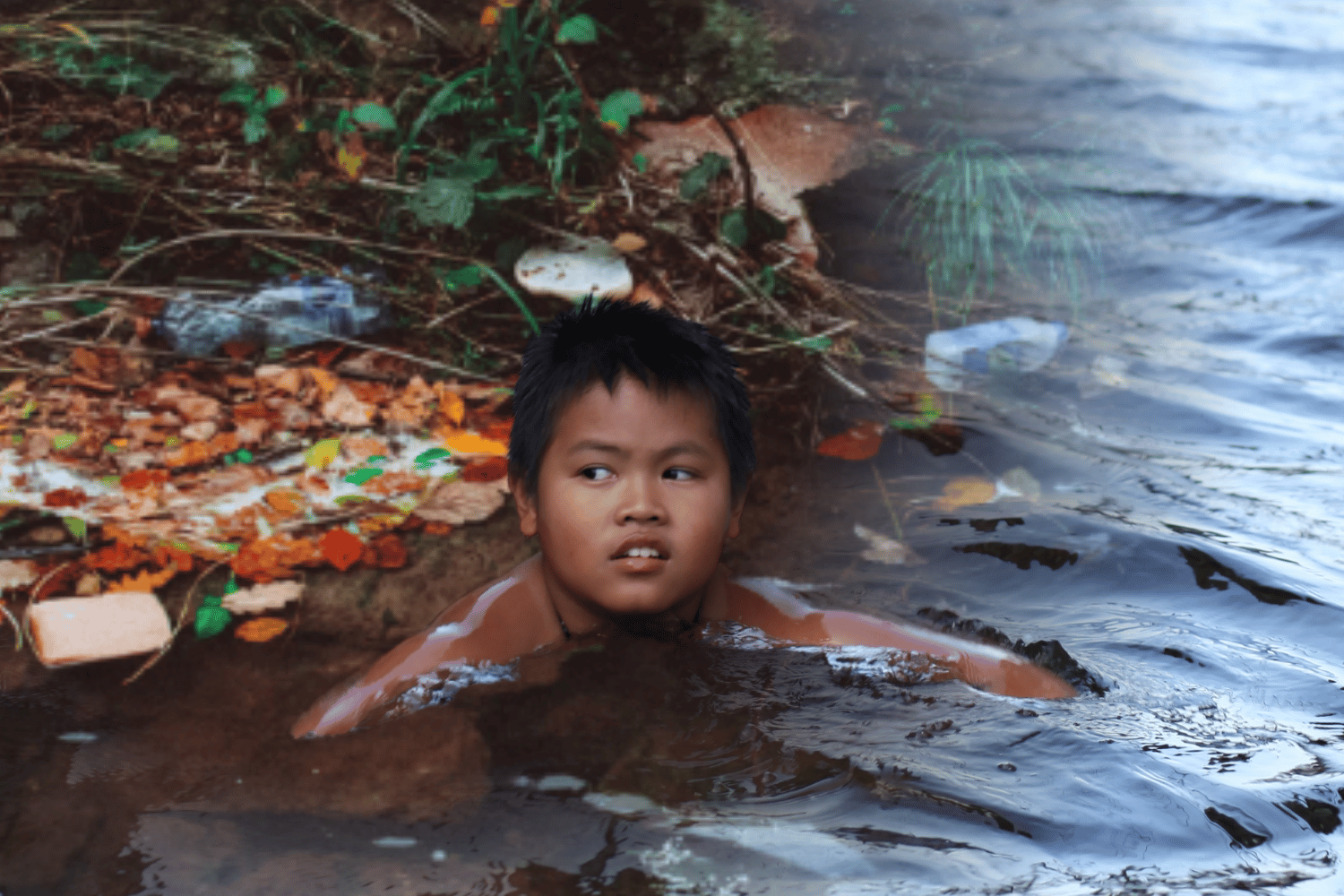
Swimming in floodwater should never be treated as harmless rainy-day fun.
When streets disappear under brown floodwater, some people—especially children—see an instant swimming pool. Videos of people diving, splashing and playing in flooded streets have become a familiar sight during heavy rains in the Philippines.
But floodwater is not just rainwater. It can be a dangerous mixture of sewage, animal waste, garbage, chemicals and hazards hidden beneath the murky surface. A few minutes of fun can lead to serious illness, injury or even death.
Leptospirosis is a serious threat
One of the biggest dangers is leptospirosis, a bacterial disease commonly associated with exposure to water contaminated by the urine of infected animals, particularly rats.
The Department of Health has repeatedly warned the public against wading or swimming in floodwaters because Leptospira bacteria can enter the body through cuts and abrasions or through the eyes, nose and mouth.
Severe leptospirosis can cause kidney and liver damage, bleeding and, in some cases, death. Symptoms may include fever, headache, muscle pain and red eyes.
You can’t see electricity
Another danger may be completely invisible.
Fallen electrical wires, damaged household wiring and submerged electrical equipment can potentially energize floodwater. A person entering the water may have no way of knowing that electricity is present until it is too late.
Dangers are hiding underwater
Murky floodwater can conceal broken glass, rusty nails, sharp metal, rocks and other debris. It can also hide open manholes, drainage canals and sudden drops in the road.
A cut or puncture wound is especially concerning when it happens in contaminated water because it creates another possible route for infection.
Calm water can still drown you
Floodwater that appears shallow or slow-moving can hide surprisingly strong currents, particularly near rivers, esteros and drainage systems.
Children are especially vulnerable. What looks like a harmless flooded street can conceal a deep canal or open drain capable of pulling someone underwater. Water levels can also rise rapidly during intense rainfall.
Floodwater may contain sewage
The World Health Organization warns that flooding can contaminate water with sewage and increase exposure to infectious diseases. In urban communities, floodwater can also collect garbage, fuel, chemicals and other pollutants as it moves through streets and homes.
This is why swimming in floodwater should never be treated as harmless rainy-day fun.
If contact with floodwater is unavoidable during an emergency, minimize exposure, cover wounds when possible and wash exposed skin thoroughly with clean water and soap afterward. Anyone who develops fever or other concerning symptoms following floodwater exposure should seek medical attention and tell the healthcare provider about the exposure.
The safest choice is simple: stay out of floodwaters whenever you can.
READ: