Your pets only have you as they cannot prepare emergency bags, examine weather warnings or find evacuation routes.
The rain is getting stronger. Floodwater is beginning to rise. Your family is preparing to evacuate.
Then you look down and see your dog or cat.
For pet owners, disaster preparedness cannot stop with the humans in the household. Animals depend almost entirely on their owners to survive typhoons, floods and evacuations—and preparing only when the water is already rising may be too late.
Here’s what every fur parent should remember before, during and after a storm.
Before: Prepare their own go-bag
Your pet needs emergency supplies, too.
Prepare a sturdy carrier for every cat and a secure leash or harness for every dog. Pack food, drinking water, bowls, medicines, pee pads, trash bags, wipes and cat litter.
Keep vaccination records and other important documents somewhere waterproof. Pets should also have identification containing an updated contact number. A recent photo of you together can help establish ownership should you become separated.
And don’t assume evacuation centers will automatically accommodate animals. Know beforehand where you can bring them.
During: Never leave them chained outside
When a typhoon hits, bring pets indoors.
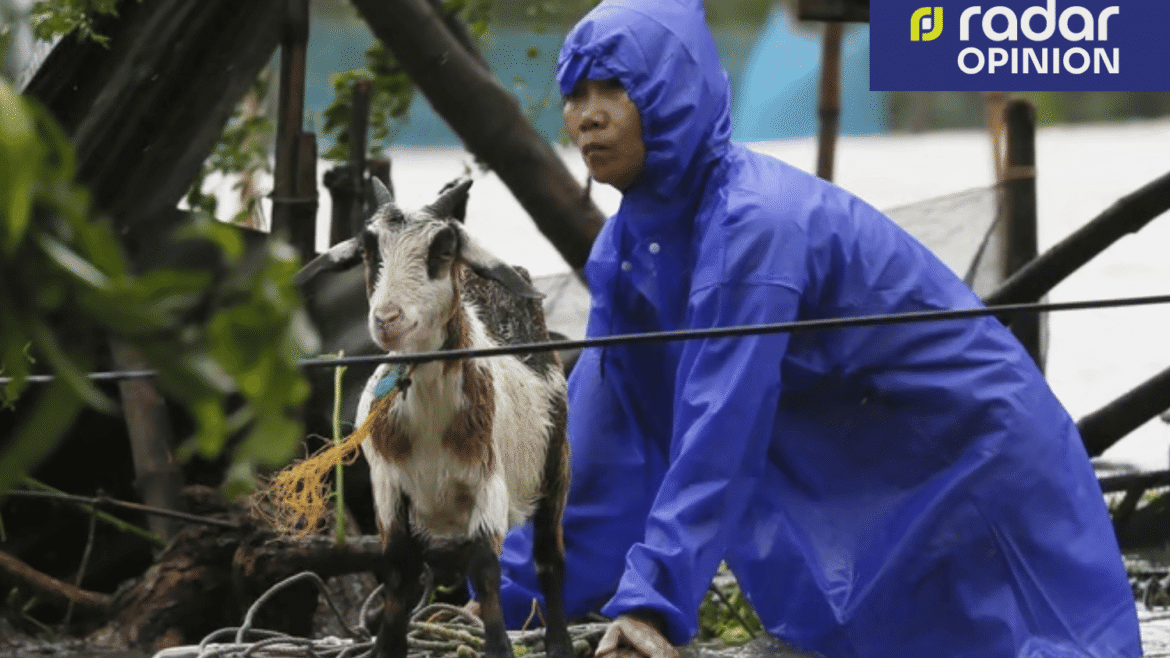
A chained dog cannot escape rising floodwater. Neither can an animal abandoned inside a locked cage. Flying debris, collapsing structures and flooding can turn an ordinary yard into a death trap.
Keep pets in a secure part of the house away from windows and possible shattered glass. If flooding is possible, move them to higher ground early.
Thunder, strong winds and unfamiliar noises can also frighten animals. Give them a quiet hiding place and keep doors and gates secured—terrified pets can suddenly bolt.
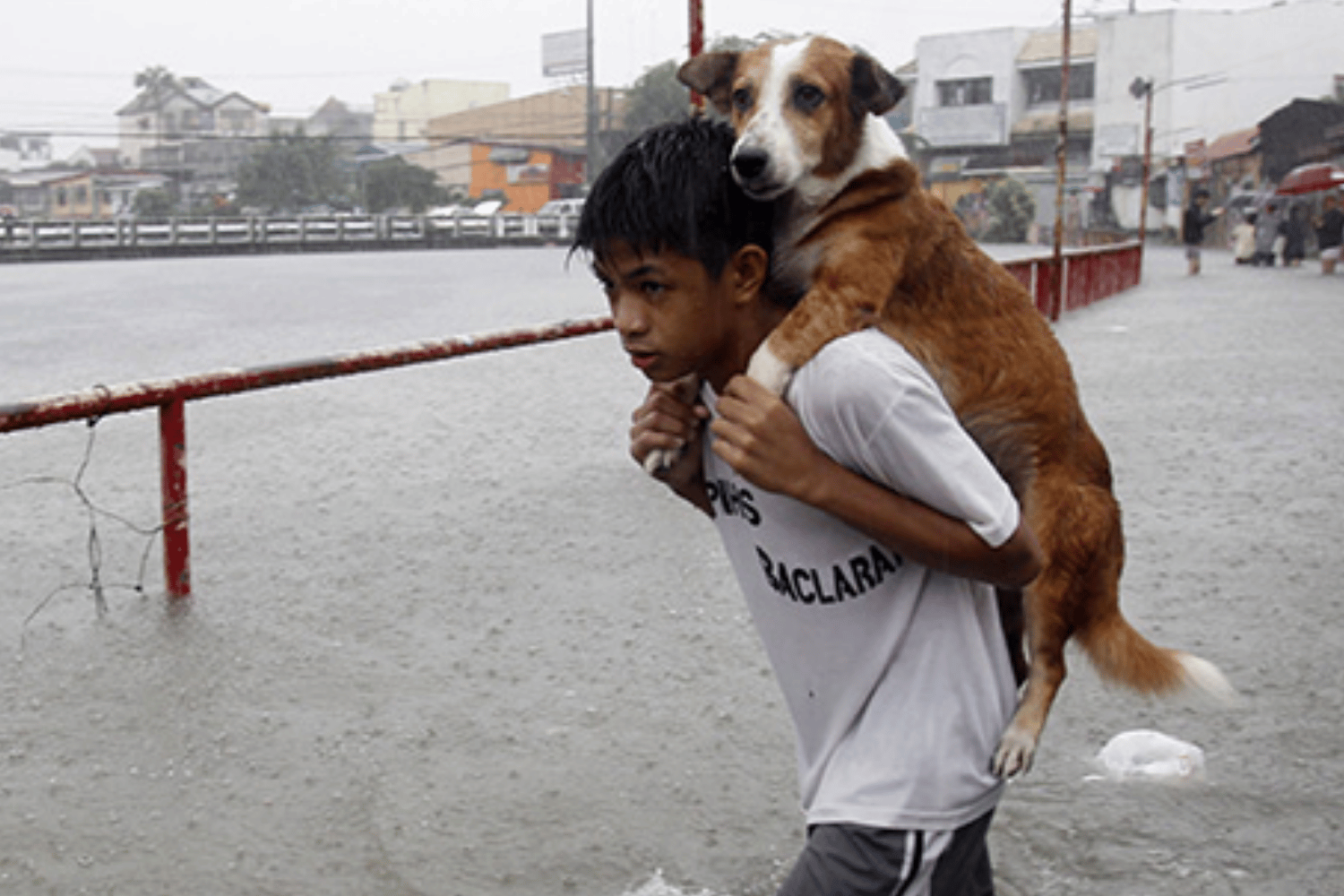
Most importantly, if your family evacuates, make every possible effort to take your pets with you.
After: The danger isn’t over
Don’t immediately let your dog or cat roam outside once the rain stops.
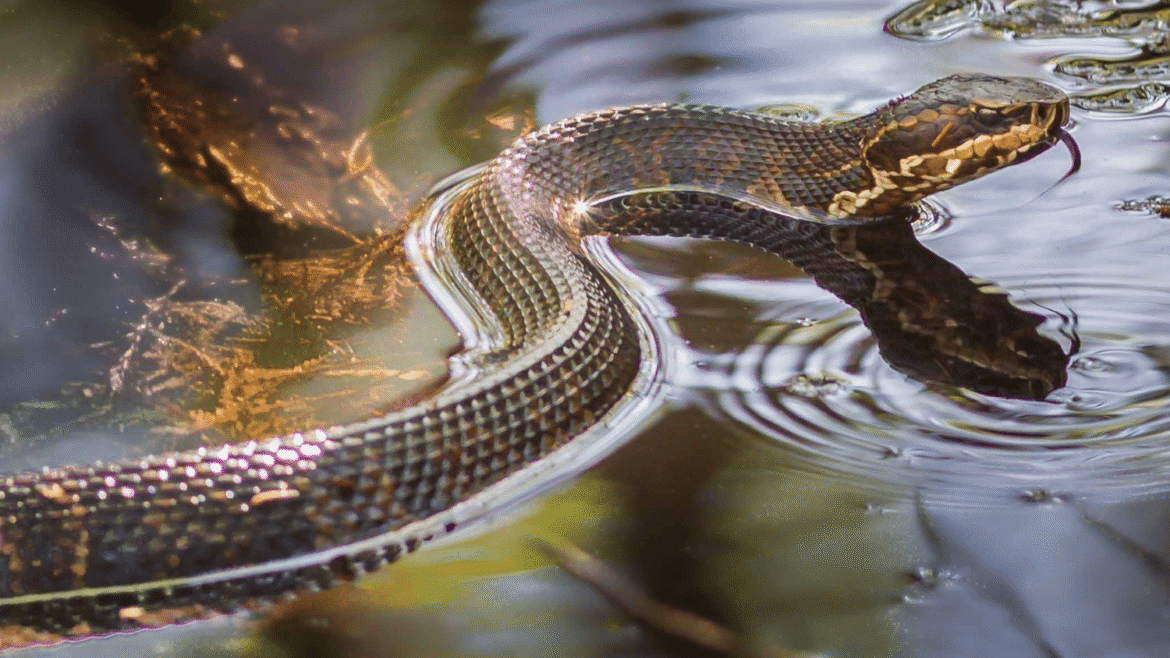
Flooded neighborhoods may contain broken glass, sharp debris, displaced snakes and downed electrical lines. Keep animals on a leash or inside their carriers while checking the surroundings.
Never allow them to drink floodwater or stagnant puddles. Contaminated water can expose animals to illnesses including leptospirosis and giardiasis.
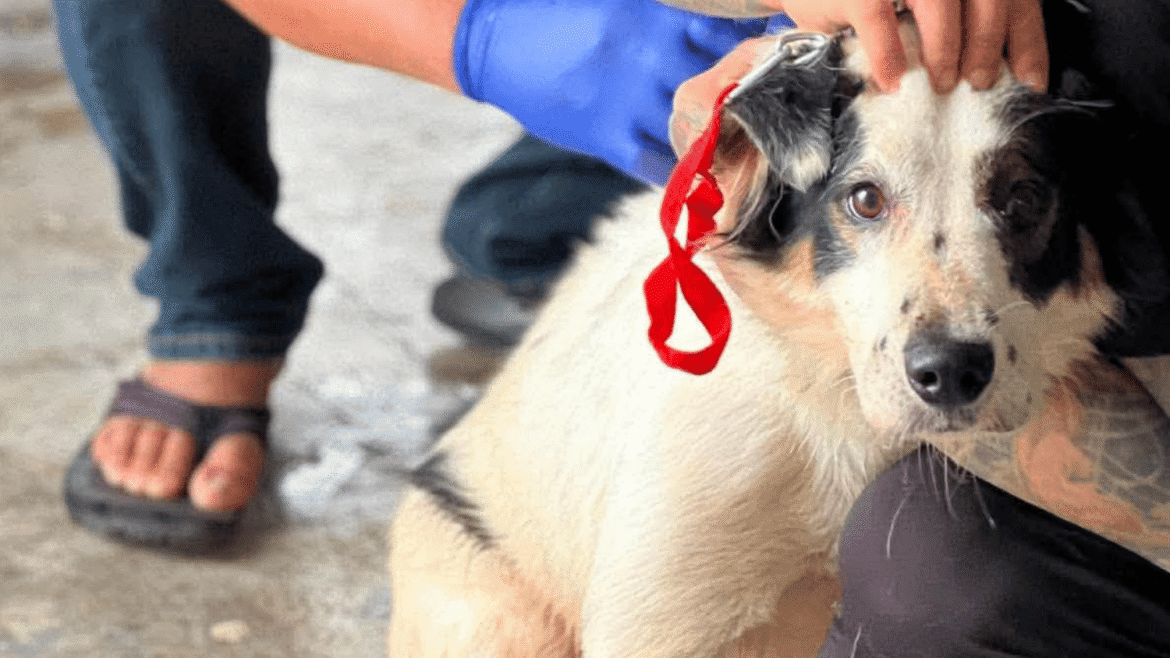
Check their bodies for cuts, wounds, ticks and other problems, and seek veterinary care when necessary.
Typhoons can destroy homes within hours. Your pets cannot prepare emergency bags, read weather warnings or find evacuation routes.
They have only you.
So when preparing your family for the next storm, don’t simply ask, “Ano ang dadalhin natin?”
Ask one more important question:
“Paano natin isasama ang mga alaga natin?”
READ: