Fares, rice, eggs and household bills show how far the new minimum wage increase goes.
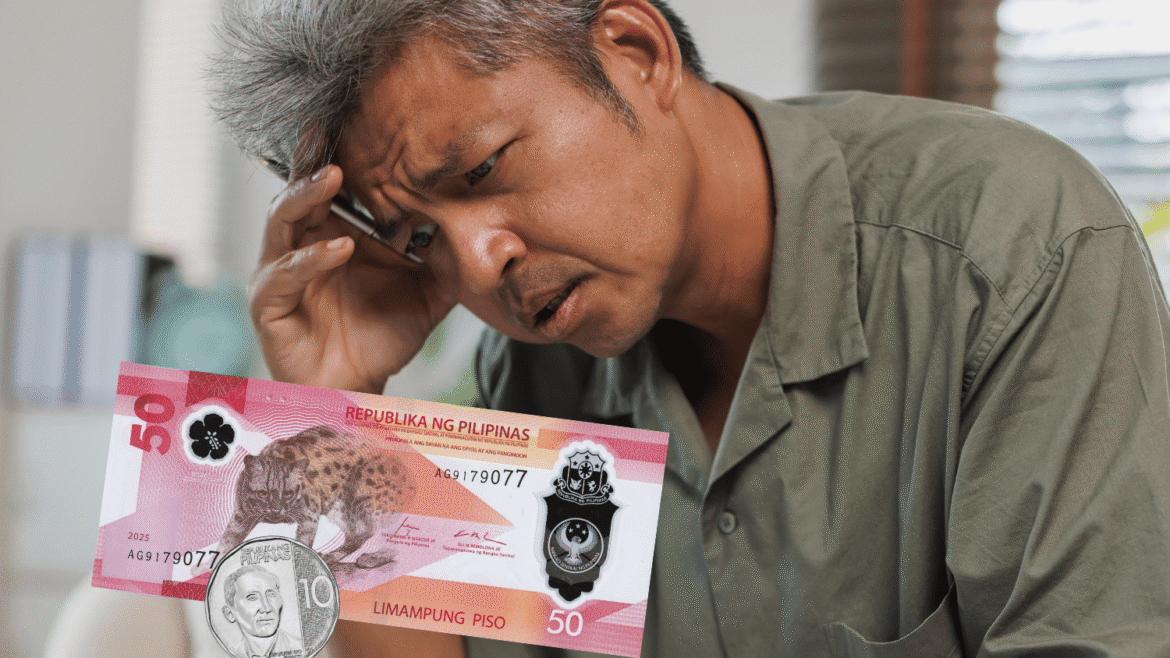
Metro Manila’s latest minimum wage increase adds ₱60 to a worker’s daily pay. That’s not nothing. In fact, for many, that could be just what they need to get through the tough stretch the country is in today.
The ₱60 increase under Wage Order No. NCR-28 took effect on Sept. 26, bringing the daily minimum wage for covered non-agricultural workers to ₱755. At 20 workdays, that works out to ₱1,200 more in gross pay a month.
But that amount could disappear in the blink of an eye.
One of the first places that extra ₱60 can disappear is on the way to work.
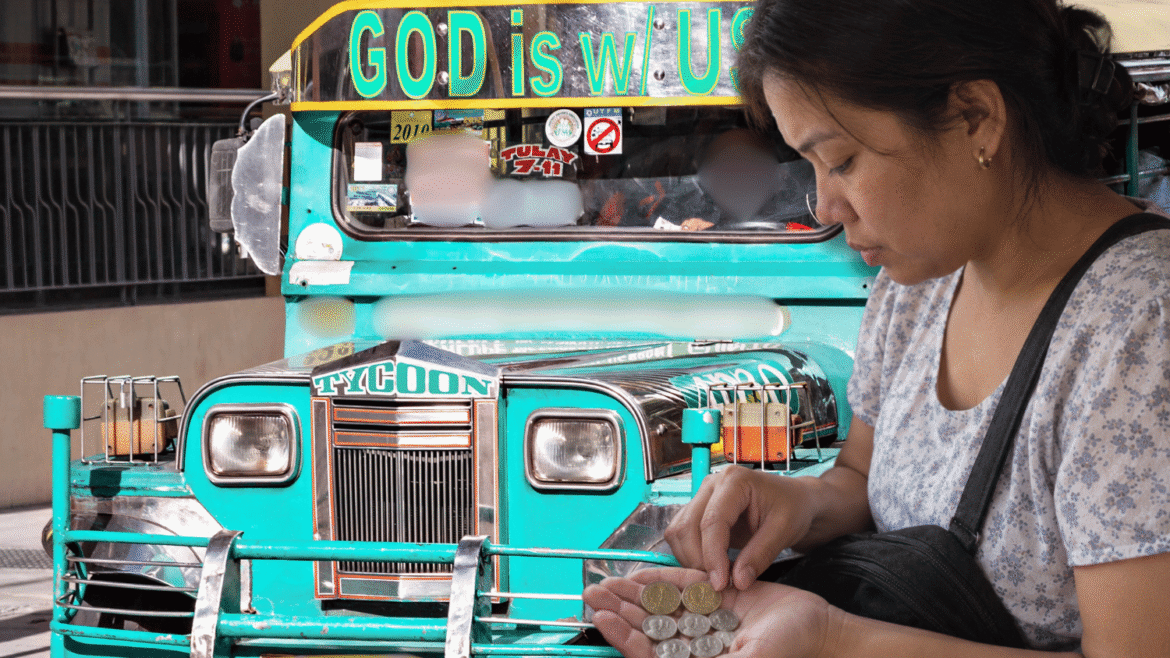
New public transport rates took effect on Sept. 28, with the minimum fare for traditional jeepneys rising from ₱13 to ₱14 and the base fare for modern jeepneys going from ₱15 to ₱17. City buses and other public utility vehicles also got higher fares.
A worker taking a traditional jeepney four times a day would spend an extra ₱4 daily because of the fare increase. Over 20 workdays, that is already ₱80 of the new monthly income going toward the commute.
For workers taking longer routes or relying on buses and point-to-point services, the additional transport cost can be considerably higher. Take the SM North–Plaridel point-to-point bus, for example. Its fare rose from ₱100 to ₱140, adding ₱40 to a one-way trip. A round trip would therefore cost an extra ₱80 a day, or ₱1,600 over 20 workdays, already exceeding the ₱1,200 monthly increase from the wage hike.
A kilo of rice, a tray of eggs say it all
Then there’s rice, one of the staples that has a way of showing exactly how far a peso can go.
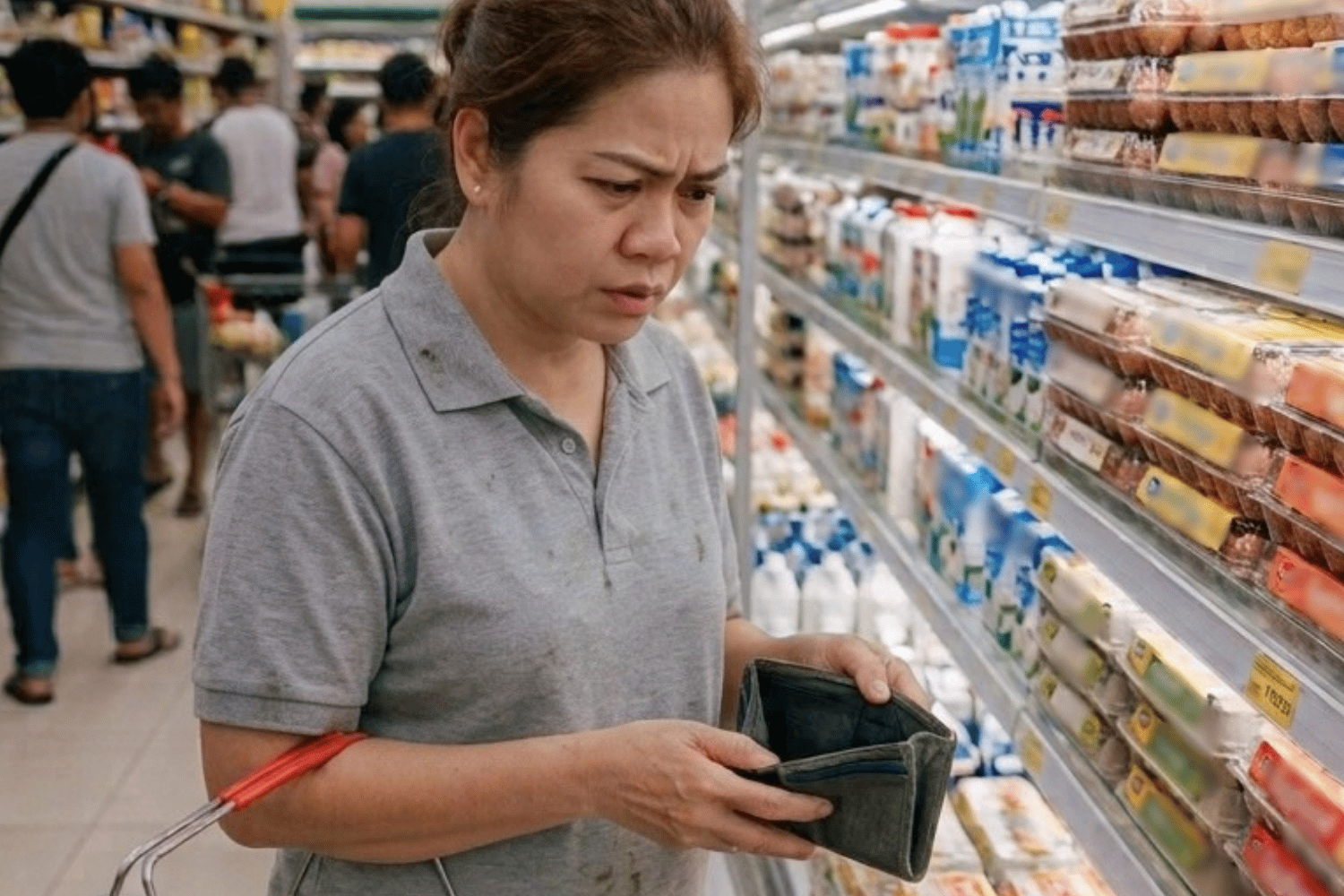
The Philippine Statistics Authority’s latest price monitoring put well-milled rice at an average of ₱56.07 per kilo nationally in the second phase of September. That means ₱60 buys only about 1.1 kilos. The same kilo averaged ₱47.22 a year earlier.
Eggs can make the comparison even more concrete. A tray of 30 eggs can now cost around ₱300 in some areas, compared with about ₱270 previously. That ₱30 increase alone takes up half of the new ₱60 daily wage increase.
A ₱60 raise can start looking pretty small when it has to stretch across the rest of the grocery bill.
Cooking gas offers a little relief, at least for now.
The renewed suspension of the excise tax on LPG is expected to bring some relief to households, although the savings can be relatively small against the cost of a full cylinder. At the same time, industry officials have warned of possible price increases in early October as global prices and shipping costs rise.
Electricity is another reminder that household costs do not always move in one direction.
Meralco’s September rate fell by ₱0.0409 per kilowatt-hour from August, translating to about ₱8 less for a household consuming 200 kWh. But the monthly reduction is modest, especially against the other expenses competing for the same paycheck.
That’s the reality behind the ₱60. It is real money, and ₱1,200 more in gross pay over a 20-day work month can certainly help. But the increase also has to compete with the daily commute, food on the table and bills that keep coming whether wages go up or not.
A few extra pesos here and there can make a difference. They can also get spent surprisingly fast.
And that is where the ₱60 starts to look very different once it leaves the wage order and enters an actual household budget.
READ: