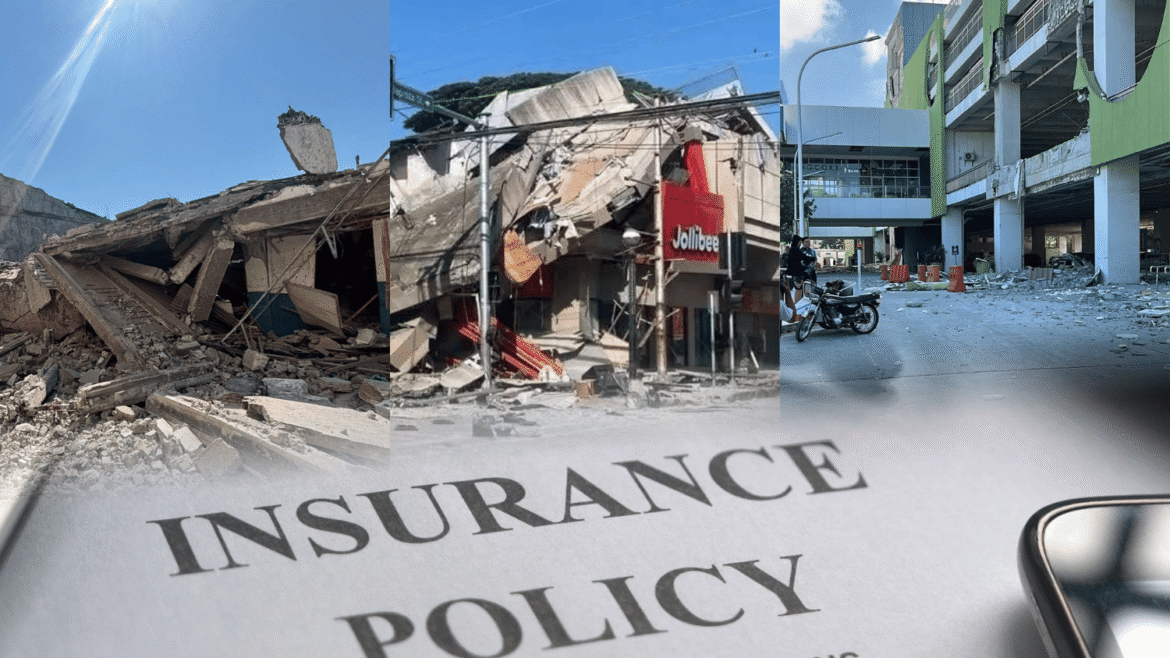
Infrastructure damage from earthquakes makes independent shipping almost impossible.
For Metro Manila residents wanting to help, efficiency is everything. To make a life-saving impact on the ground, we must shift from emotional giving to highly tactical, smart philanthropy by prioritizing what is actually needed and utilizing verified, military-backed logistics pipelines.
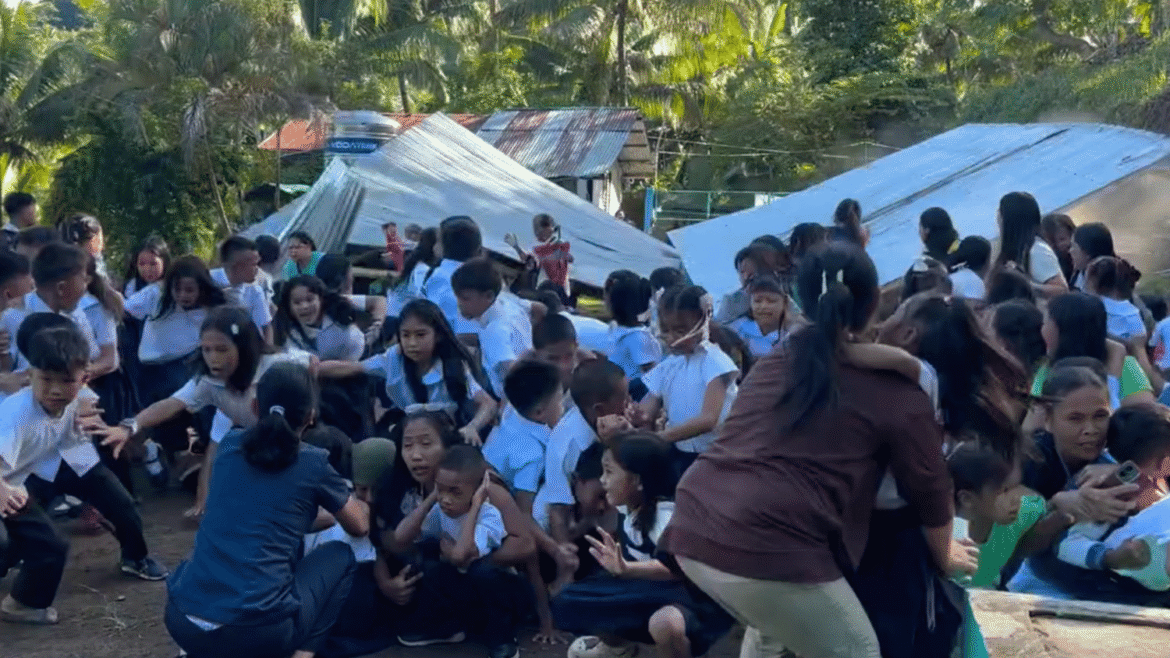
When disaster strikes, uncoordinated donations can trigger a “second disaster”—clogging airports and supply chains with useless items. Following the devastating magnitude 7.8 earthquake in Soccsksargen and Davao, thousands are displaced without power or water, making immediate relief urgent.
Prioritizing cash and critical survival materials
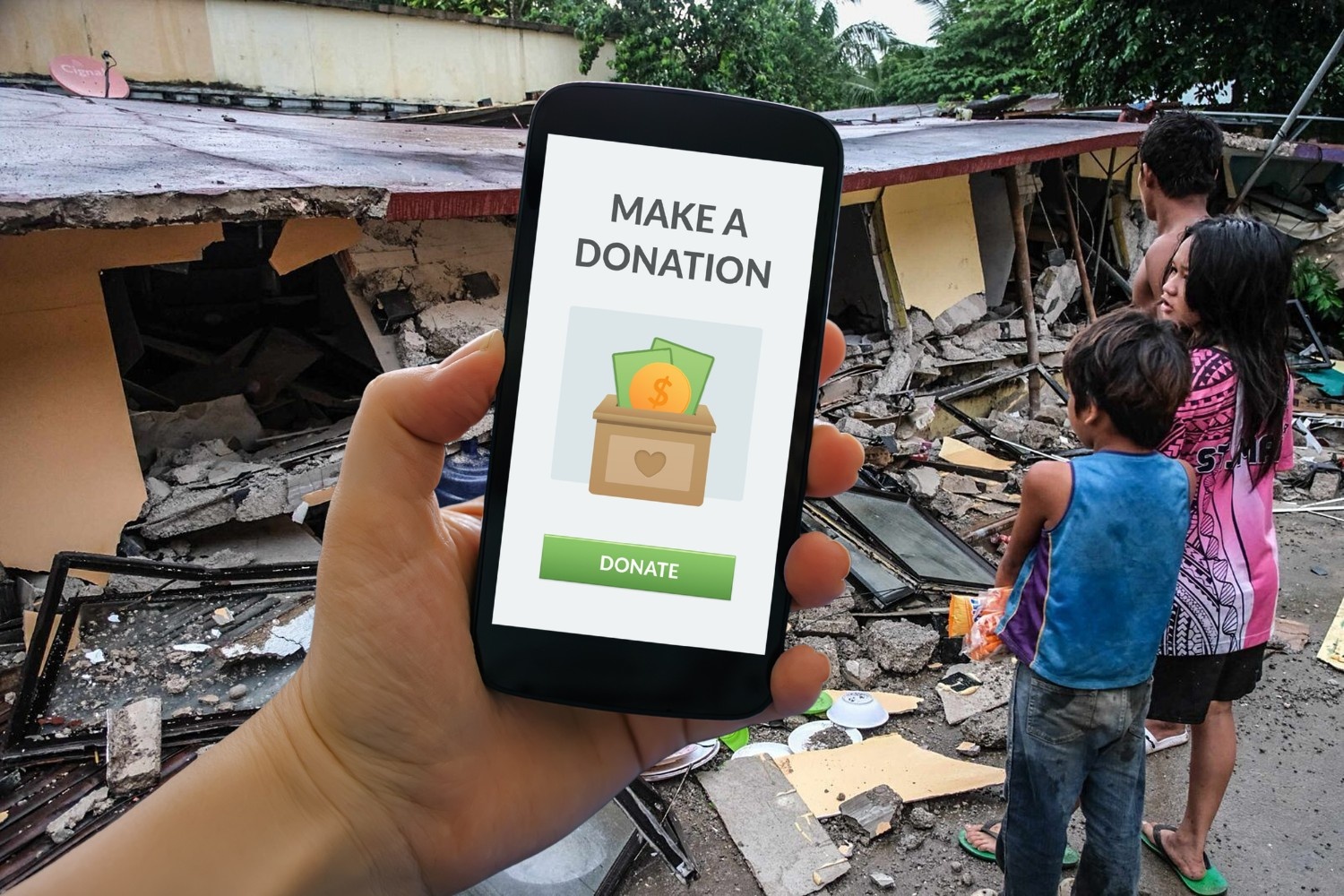
In an earthquake’s aftermath, direct cash donations are the highest priority. They eliminate shipping times, bypass airport bottlenecks, and allow ground teams to buy bulk supplies locally to stimulate the economy.
For physical donations, clean water and shelter must take precedence over food. Broken pipes threaten public health, making water purification tablets vital to preventing disease outbreaks.
Additionally, because families must sleep outdoors due to aftershocks, heavy-duty tarpaulins, emergency tents, and solar lamps are desperately needed for safety. Donors should also focus on hygiene kits containing sanitary pads, soap, and diapers for crowded evacuation camps.
Avoid donating old clothes, perishable food
To protect supply chains, never donate old clothes—sorting random apparel wastes precious volunteer hours. Skip perishable foods that spoil in transit.
Because power and gas lines are down, avoid raw ingredients requiring cooking or items needing a can opener. Donors must strictly stick to ready-to-eat, shelf-stable, and easy-open meals to avoid burdening displaced families.
Established donation channels
The infrastructure damage from the earthquake makes independent shipping almost impossible, so Manila donors must deliver through established networks with military-backed logistics.
The Philippine Red Cross in Mandaluyong is receiving physical goods and providing verified digital portals for instant cash deployment, while the DSWD National Resource Operations Center in Pasay is packing family packs for immediate military airlift.
Prominent private school and university networks, such as Ateneo de Manila, De La Salle University, and institutional consortiums, typically start quick, campus-wide donation drives for direct grassroots access. To deliver aid quickly, these private networks use direct, secure connections with their sister campuses and local partner schools in Mindanao.
In the spirit of bayanihan, let’s send help that actually helps. Share this guide to inform your family, friends, and offices.
READ: