Anthropological studies of Southeast Asian dining often highlight that the manner of serving rice in Filipino households reflects a deep-seated gratitude for the harvest.
The silent language of the rice bowl and the subtle kitchen habits that shaped our childhood values.
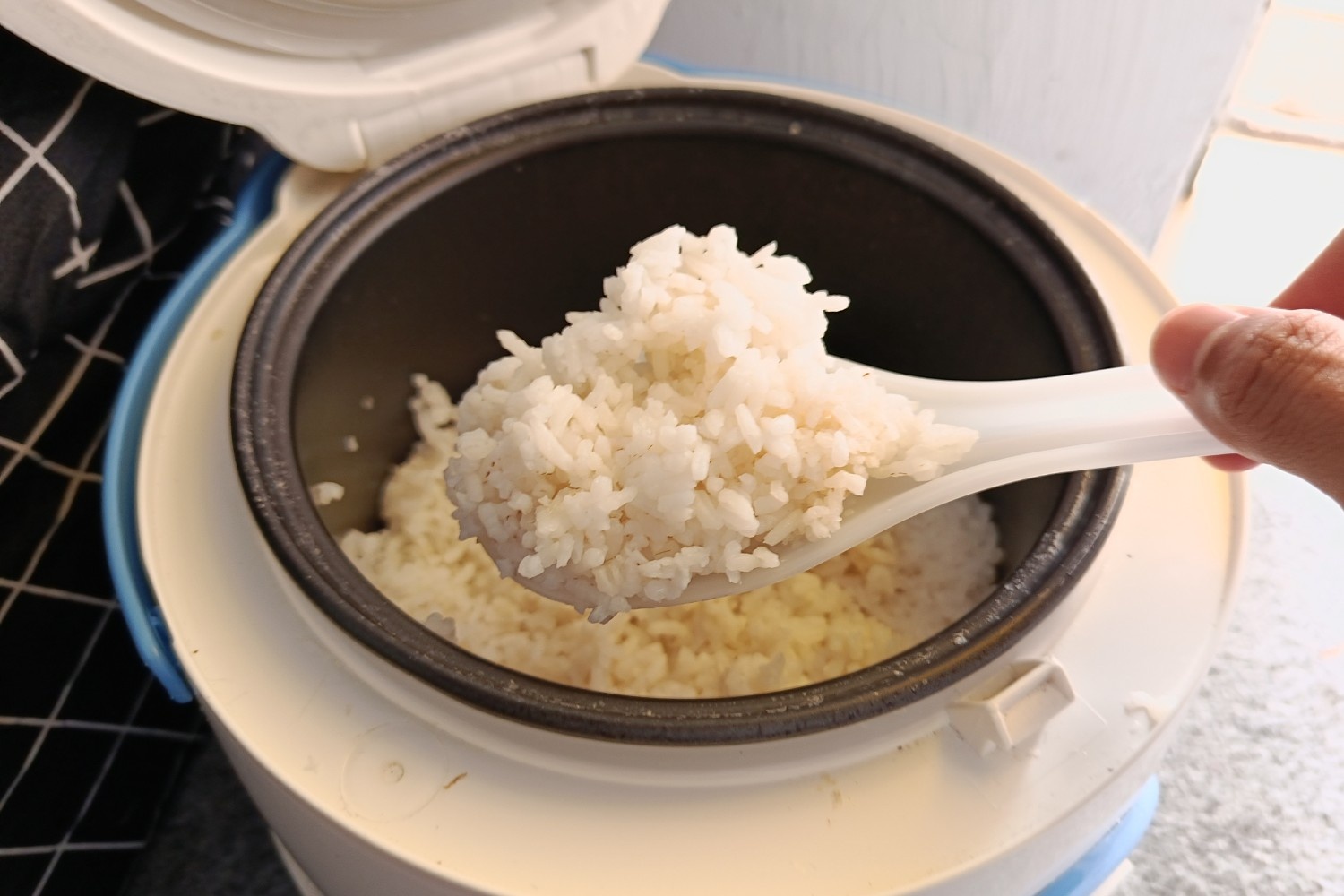
When you think about home, you’ll realize the lessons weren’t always taught through words. Sometimes they were conveyed in the smallest routines such as the serving of rice during meals at the dining table.Rice has always been the center of Filipino meals, which will be present no matter what the occasion is.
To some families, their parents teach them to take from the side, never from the middle, so the rest stays neat and untouched. But in some, they were taught that the first serving must be marked with a cross, it seems to be a ritual of faith before anyone eats. Then there were those who dug all the way down, making sure no one was left with all the burnt rice at the bottom.
These practices may have appeared to be mundane at that time, but upon reflecting you’ll also realize that these are valuable lessons about care, respect and consideration. Every household had its own rules which were defined by our elders, and these rules became part of our identity.
Rice wasn’t just a food — it was a story. A story of how many families lived, how each family believed, and how they cared for each other. And when you think about it now you will realize that serving rice was never just about filling a plate, it was about making everyone in your family feel secure and considered, that no one was going to be left with nothing, and that even the smallest act of serving them rice that was filled by you could carry a meaning.
Brian Duave is an adaptive writer who wants to amplify diverse voices and meaningful stories with his humor and insights. He is passionate in exploring human experiences and aims to create narratives that not only resonate across cultures and communities, but also to build bridges and embrace inclusivity. Beyond writing, he enjoys connecting with people and learning from different perspectives. He loves to play volleyball and a matcha lover.





The hidden meanings of Carlo Tanseco’s Delata: Lagi Tayong Maging Tapat (Red) at Art in the Park 2026