Philippine law reaches much further into daily life than many realize.
You toss a cigarette butt into the gutter. A cashier gives you candy because there is no loose change. You leave your car somewhere you probably should not. Someone jumps a queue and everybody complains—but eventually moves on.
In the Philippines, some behavior has become so ordinary that few people even think of it as a legal issue.
But “everybody does it” does not necessarily mean the law allows it. Some seemingly mundane acts are expressly prohibited by national law; others can be illegal only under particular circumstances or in particular cities.
Here are seven worth knowing.
1. Annoying someone can become ‘unjust vexation’

Being irritating is not automatically a crime. But conduct deliberately causing another person annoyance, distress, irritation or disturbance can potentially constitute unjust vexation under Article 287 of the Revised Penal Code.
As amended by Republic Act No. 10951, unjust vexation may be punished by arresto menor or a fine ranging from ₱1,000 to ₱40,000, or both.
That means the prank you think is hilarious may look very different when the person on the receiving end does not find it funny.
2. Giving candy instead of change

“Wala po kaming barya. Candy na lang?”
It may sound like a harmless sari-sari store tradition, but Republic Act No. 10909, or the No Shortchanging Act of 2016, requires business establishments to give consumers the exact change due.
The law prohibits shortchanging even when only a tiny amount is involved. Businesses also cannot substitute candy or another product for money.
So that little piece of candy beside your receipt is not legally interchangeable with your coins.
3. Drinking during the election liquor ban
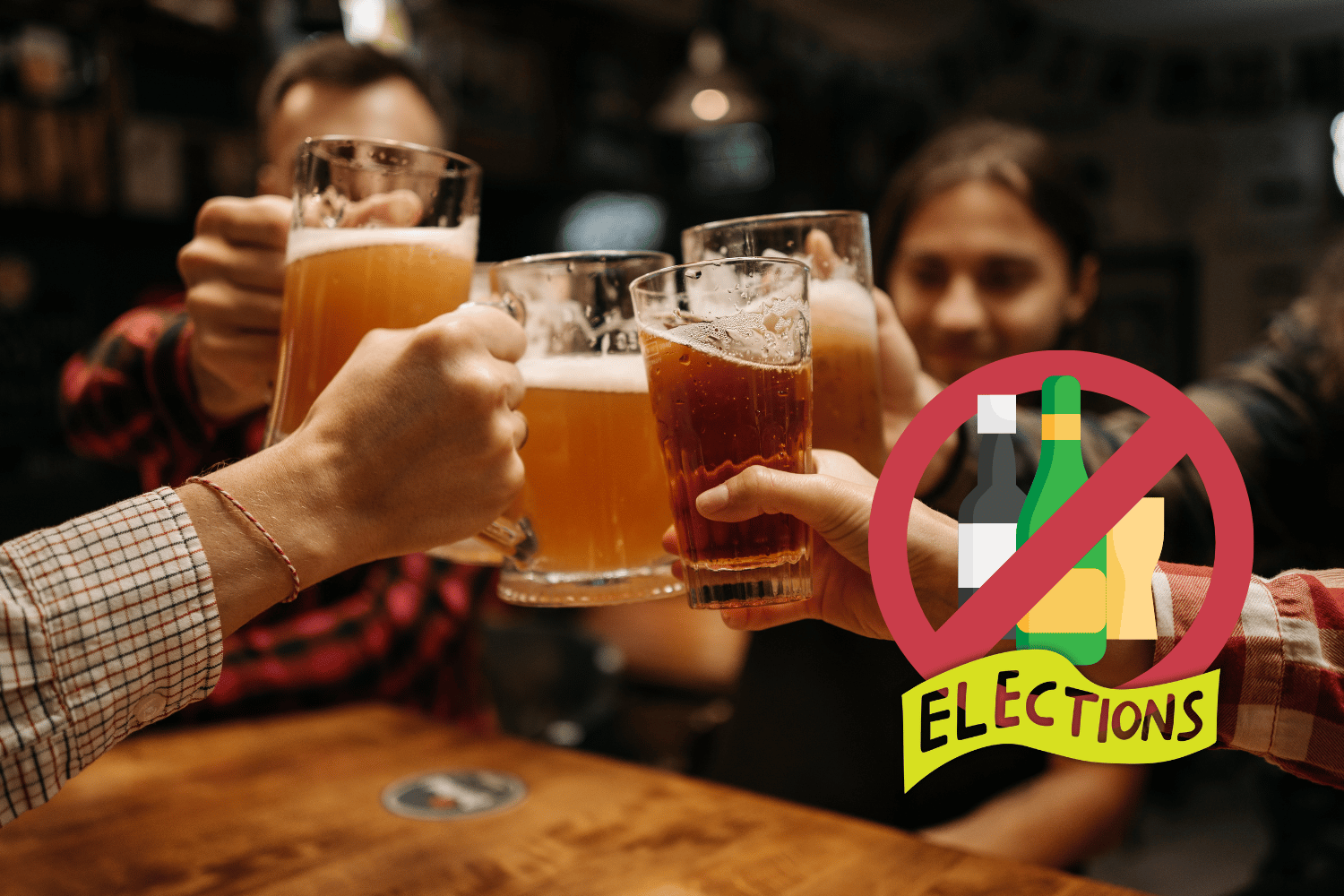
That election-eve drinking session can be more than just frowned upon.
Section 261(dd)(1) of the Omnibus Election Code makes it an election offense to sell, furnish, offer, buy, serve or take intoxicating liquor during the applicable liquor-ban period, subject to specified exceptions.
In other words, the prohibition is not directed only at the store selling the beer. The statutory language also covers the person buying, serving or drinking it.
4. Dropping even small trash in public

A candy wrapper tossed onto the sidewalk might seem insignificant. Legally, however, its size does not turn littering into an acceptable act.
Section 48 of Republic Act No. 9003, the Ecological Solid Waste Management Act, prohibits littering, throwing or dumping waste in public places including roads, sidewalks, canals, esteros and parks.
The law does not contain a “just one wrapper” exemption.
5. Cursing—but only in certain places
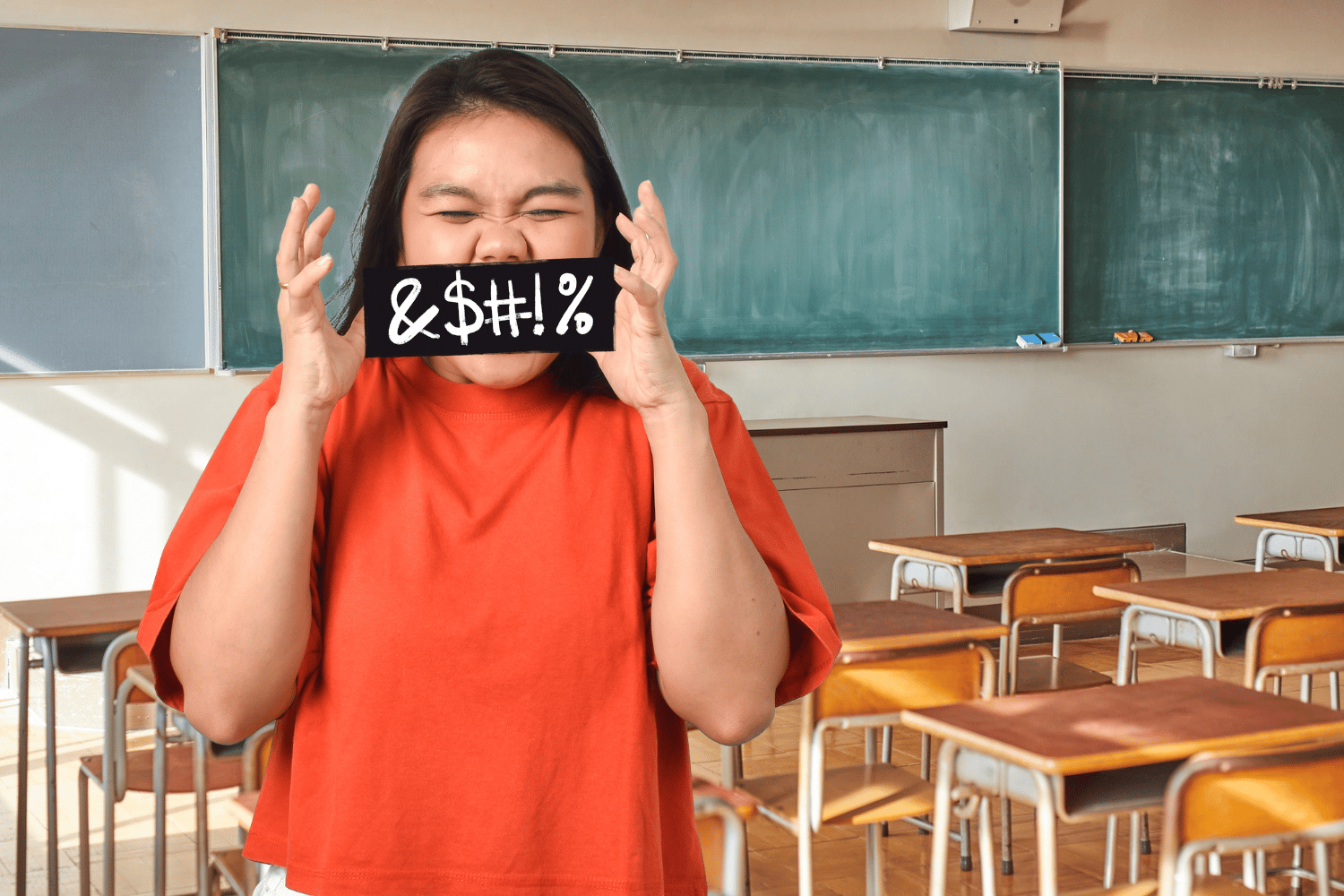
No, saying a bad word is not generally illegal nationwide. This one needs an important qualification.
Local ordinances can impose restrictions. Baguio, for example, enacted an anti-profanity ordinance covering schools and certain establishments and places frequented by children and students. It targets cursing, insults and profane or foul language in those settings.
So swearing after stubbing your toe is not automatically a Philippine crime—but depending on where and how you do it, local rules may apply.
6. Parking where you treat the road like your garage

There is no blanket provision in Republic Act No. 4136 declaring that every instance of overnight street parking is illegal.
What the Land Transportation and Traffic Code does prohibit is parking in specified locations, including intersections, crosswalks, in front of private driveways and places marked with official no-parking signs. Local traffic and road-clearing rules can impose additional restrictions.
So owning a car does not automatically give its owner a permanent parking space on the public road outside the house.
7. Cutting in line
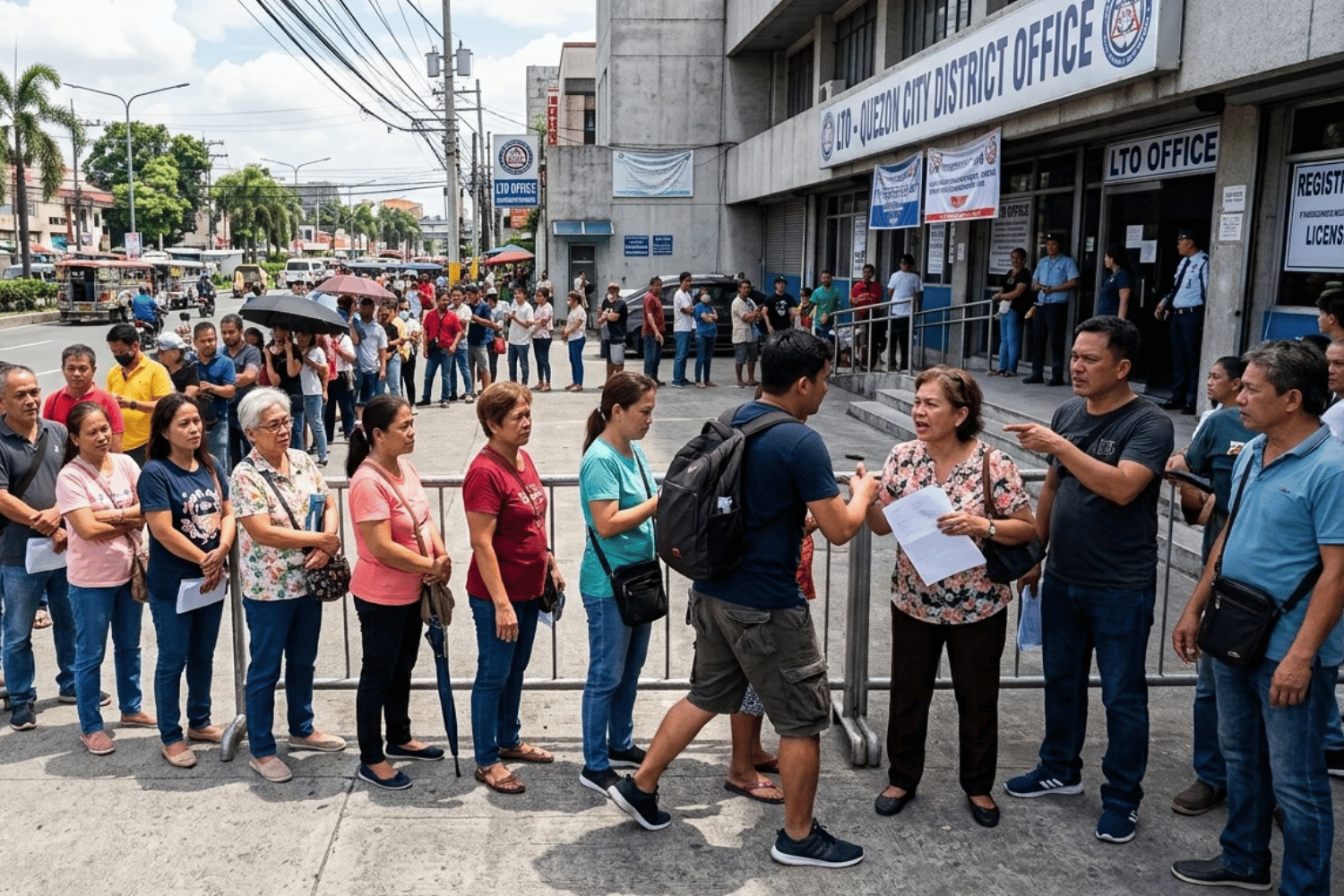
Singit may be one of the country’s most universally irritating habits—but it is not generally a nationwide crime merely because somebody jumped ahead of you at the counter.
Claims that Quezon City Ordinance SP-2868, S-2019 is an anti-line-cutting ordinance are also incorrect. That ordinance concerns the city’s plastic recovery system and plastic-bag regulations.
Queue-jumping may nevertheless violate rules imposed by particular establishments, transport systems or applicable local regulations. Force, threats or other conduct accompanying it could create entirely different legal issues.
And perhaps that is the most interesting thing about these everyday rules: Philippine law reaches much further into ordinary life than many realize—but not everything annoying, rude or socially unacceptable is automatically illegal.
Sometimes the law really does care about your missing coins. Other times, the person shouting “Bawal ’yan!” may need to check the law first.