Languages evolve, but we can still make room for the old ones.
From “67” and “delulu” to “situationship,” “young stunna,” “eme,” and “matsalove,” today’s vocabulary is giving TikTok, the group chat, and the comment section.
But Filipino has never been short of words for the things we feel, notice, and experience every day. Some have simply been pushed out of the spotlight.
There are words for a fleeting image, a burst of light, a contradiction, a burning passion, and even the quiet courage it takes to face hardship.
For Buwan ng Wika, here are 10 Filipino words worth bringing back into the conversation.
1. Alimúsom

That wonderful smell of coffee that remains in the kitchen even after you’ve left the room? You can call it alímúsom.
The word refers to a scent or fragrance, particularly one that seems to linger in the air.
Instead of simply saying, “Ang bango ng kape,” try, “Ang sarap ng alimúsom ng kape tuwing umaga.”
It can also describe the fragrance of flowers, perfume or other pleasant scents that hang in the air.
2. Salimbáyan

Ever had an inuman session with the barkada after years apart, with conversations flying back and forth, jumping from one story to another?
Salimbáyan can evoke that kind of movement.
The verb literally refers to a bird’s gliding or swooping through the air without flapping the wings. That motion can be used figuratively on things that move across or into one another, such as ideas, conversations, or events unfolding in quick succession.
“Salimbáyan ang aming mga kuwento at alaala habang nag-iinuman.”
3. Badhî

Look closely at the palm of your hand.
Those lines that palm readers pore over are called badhî.
Traditionally associated with palm reading and fortune-telling, the word refers to the markings believed to reveal something about a person’s fate.
So the next time someone grabs your hand and starts reading your love life, you can ask, “Ano ang nakikita mo sa aking badhî?”
4. Anináw

Sometimes something is there, but the haze, darkness, or distance keeps you from seeing it clearly.
That is anináw—something visible despite being indistinct or unclear.
“Sa kapal ng hamog, bahagya lamang na maanínaw ang bundok.”
It can describe those fleeting moments when something gradually comes into view, even through the blur.
5. Agam-ágam

Ever had a big decision sitting in front of you, but something still makes you hesitate?
That feeling of doubt, uncertainty, or apprehension is ágam-ágam.
It can describe the uneasiness that comes before making a difficult choice, especially when you’re not quite sure what lies ahead.
“Marami akong ágam-ágam bago ko tinanggap ang bagong trabaho.”
Sometimes, the hardest part of a decision is not knowing whether you’re making the right one.
6. Balintunà

Life is full of contradictions, and Filipino has an elegant word for them.
Balintunà describes something contrary, contradictory or seemingly against what would normally be expected.
Imagine washing your car after days of sunshine—only for heavy rain to suddenly pour.
“Balintunà namang umulan pagkatapos kong maghugas ng kotse.”
In other words, when something happens in a way that seems to go against expectations, you have a word ready.
7. Díngas

Some passions burn brighter than others.
Díngas evokes fire, heat, or burning intensity—an image that can also lend itself to describing the fervor behind something we care deeply about.
“Kitang-kita ang díngas ng kanyang pagmamahal sa sining.”
It is the kind of word that makes passion feel less like an idea and more like a flame—something intense enough to keep burning even when things get difficult.
8. Alimbúkad
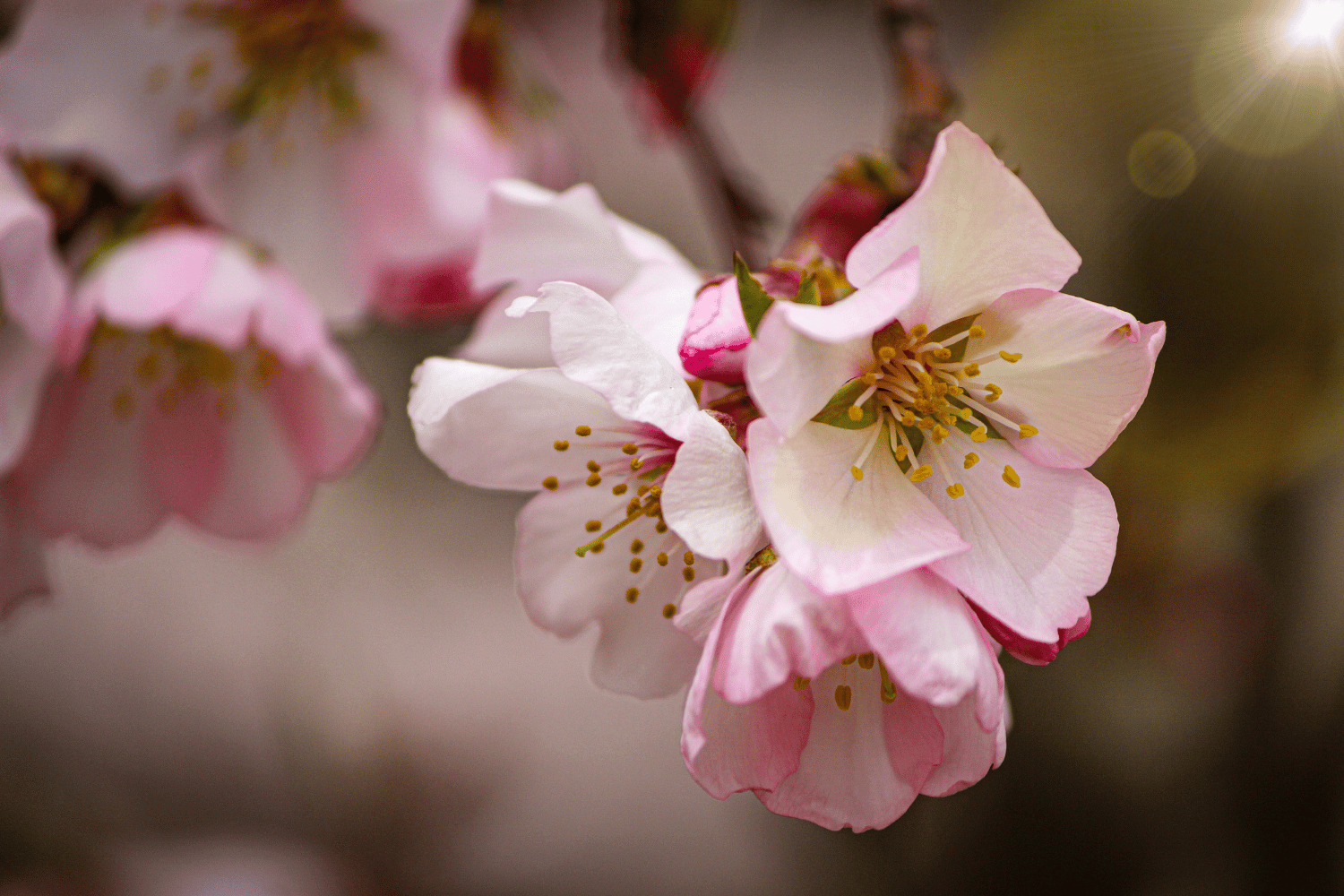
There is something beautiful about a flower in full bloom—and Filipino has a word that captures that unfolding.
Alimbúkad refers to pamumulaklak, or blooming: “Sa alimbúkad ng mga bulaklak, naging makulay ang hardin.”
It can also mean saboy ng liwanag, a scattering or burst of light: “Ang alimbúkad ng mga ilaw mula sa entablado ay nagbigay-buhay sa buong bulwagan.”
The word thus brings together two vivid images: flowers opening into bloom and light spilling outward.
9. Talagháy
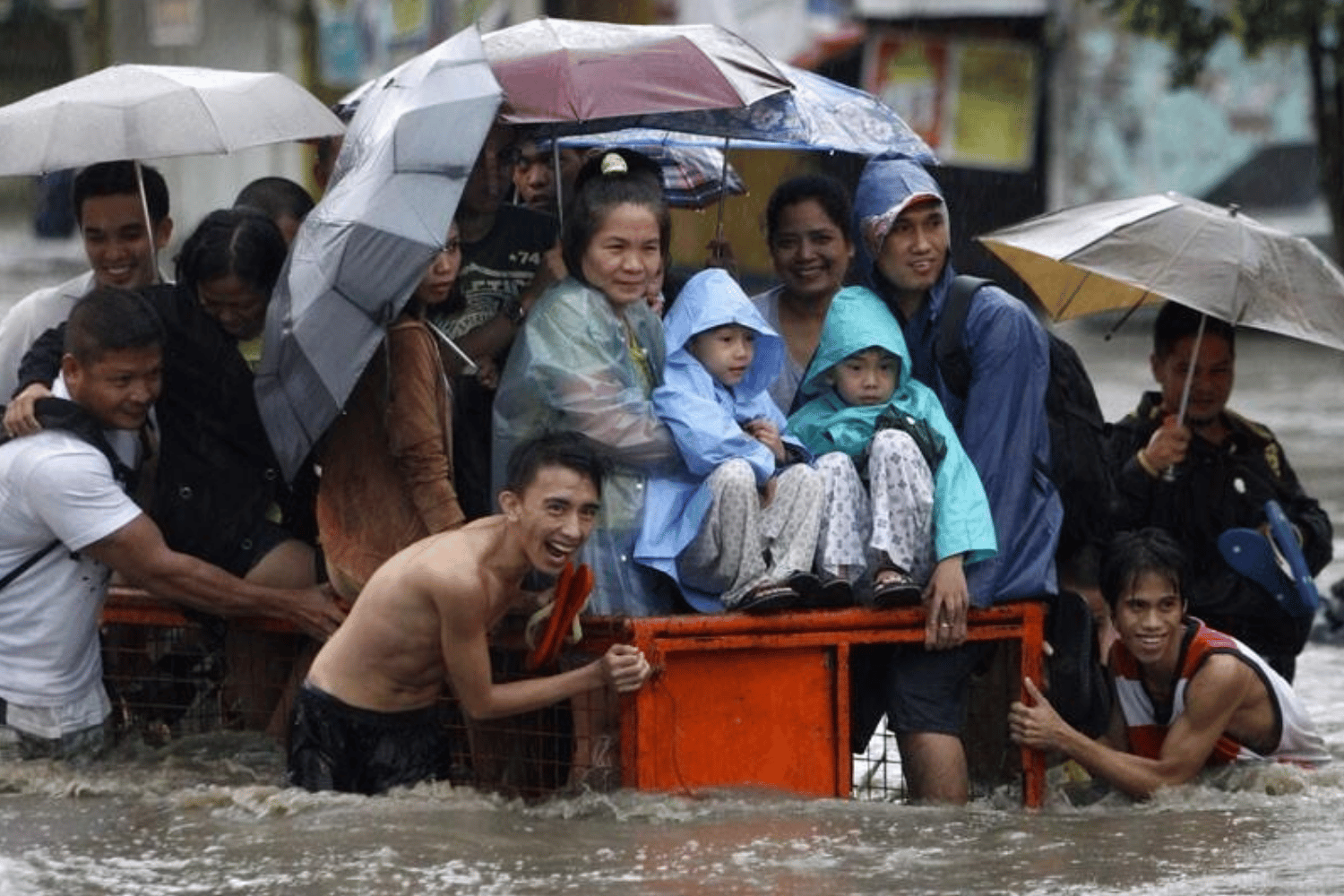
Strength does not always have to be loud.
Talagháy describes the courage to face hardship, pain, misfortune, and other difficulties.
It fits those moments when someone chooses to keep going despite what they are up against: “Sa gitna ng pagsubok, ipinakita niya ang kanyang talagháy.”
Sometimes, courage is simply having the strength to face what hurts and keep moving forward.
10. Kandíli

You may have heard kandíli in the familiar expression “kalinga at kandili.”
The word refers to care or protection given to someone in need. It can also refer to the person being cared for, such as an orphan or someone who is less fortunate.
Its related verb, kandilíhin, means to care for, nurture, or protect someone.
“Dapat nating kandilíhin ang mga nangangailangan.”
There is tenderness in kandíli, but also a sense of responsibility toward those who need to be cared for.
Words only die when we stop using them
Buwan ng Wika often means traditional clothes, poems, speeches, and school programs. But celebrating Filipino can be much simpler:
Speak it. Use it. Keep it alive.
Languages evolve. New words arrive, borrowed ones stay, and others slowly fade. That’s normal. But we can still make room for the old ones.
Use ágam-ágam when you’re unsure. Notice the alimúsom of your morning coffee. Feel the díngas when inspiration strikes. Admire the alimbúkad in your neighborhood or by the window. Offer kandíli when someone needs care.
These words don’t need rescuing from a dictionary. They just need someone to use them.