The era when hair wax and facial wash redefined the modern Filipino man.
The word “metrosexual” used to make Filipino men nervous.
It was the label attached to men who spent too much time in front of mirrors, used moisturizer without embarrassment, knew the difference between hair wax and pomade, and cared deeply about looking polished. In the Philippines of the early 2000s, that alone was enough to trigger teasing, side comments, and the familiar joke: “Isang metro na lang, homosexual na.”
The term, coined in 1994 by British journalist Mark Simpson, combined “metropolitan” and “heterosexual.” It referred to urban straight men who embraced fashion, skincare, grooming, and aesthetics— things traditionally associated with women or gay men at the time.
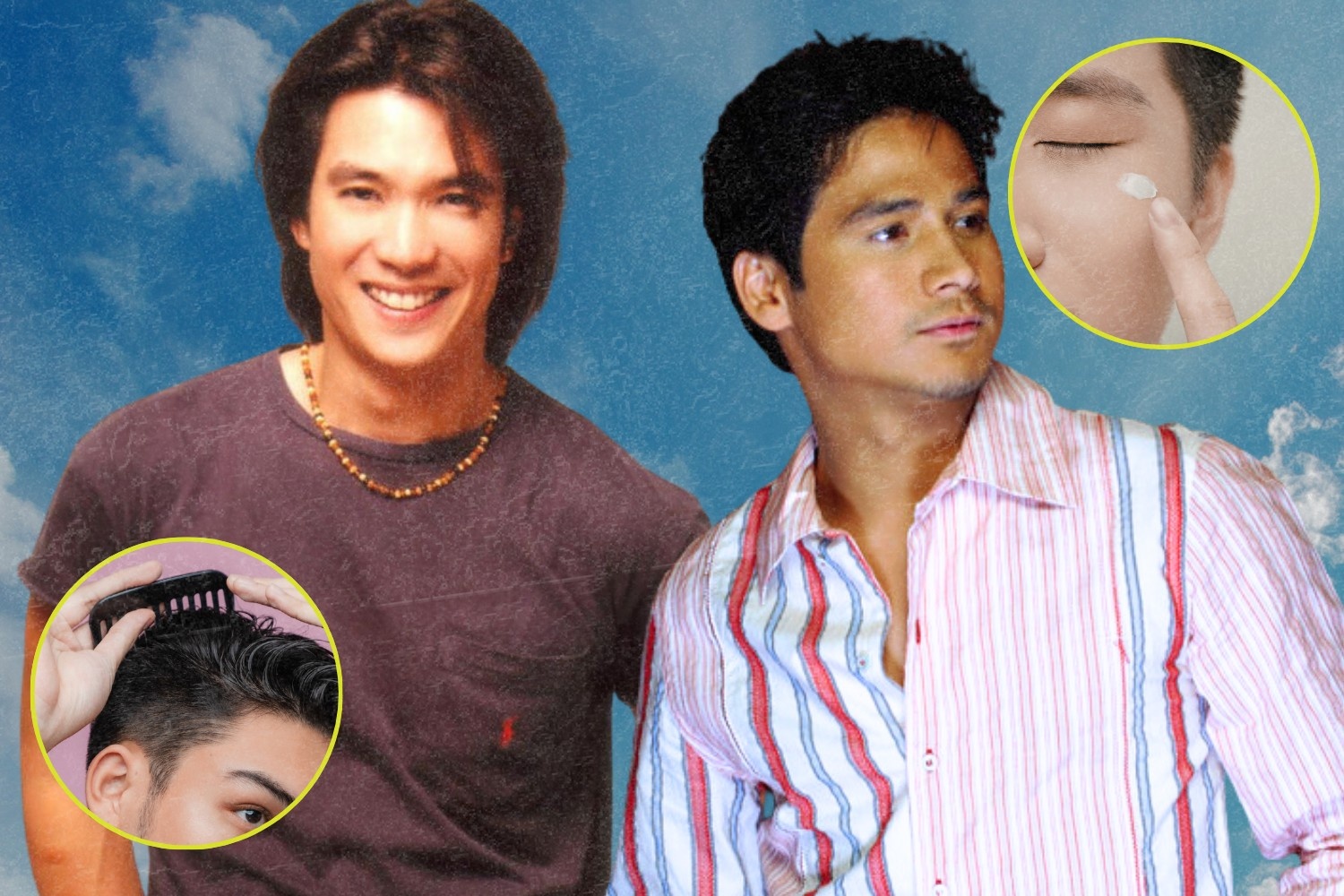
In the Filipino setting, the metrosexual image became instantly recognizable. These were the men who religiously visited salons in malls, layered Bench and Penshoppe outfits, carried facial wash in their bags, and spent more time fixing their hair than some women preparing for a party. They wore fitted polo shirts, pointed leather shoes, frosted tips, and occasionally pearl necklaces inspired by global celebrities.
Local showbiz also helped define the era. Stars like Piolo Pascual, Dingdong Dantes, and Diether Ocampo embodied the polished masculine image that dominated magazine covers and TV commercials. Male celebrities openly endorsed whitening products, salon treatments, fragrances, and skincare brands. Internationally, David Beckham became the ultimate metrosexual icon, influencing hairstyles and fashion trends that quickly reached Filipino barbershops.
Still, the word carried tension. Filipino masculinity during that period remained heavily tied to toughness and simplicity. Men were expected to look “presentable,” but not too polished. Caring “too much” about appearance often became grounds for questioning one’s sexuality.
Ironically, the rise of the metrosexual slowly dismantled that mindset.
The term normalized the idea that men could enjoy fashion, skincare, fitness, grooming, and self-care without needing to defend their masculinity. It opened the door for Filipino men to openly buy facial scrubs, experiment with hairstyles, discuss fragrances, and spend money on appearance without immediate shame.
Today, the word itself sounds dated. Few people still call men “metrosexual.” But its influence remains everywhere— from men casually booking dermatology appointments to proudly sharing skincare routines online.
A term once used as a punchline quietly helped redefine what Filipino masculinity could look like.
A portmanteau of ‘metropolitan’ and “heterosexual,’ metrosexual referred to urban straight men who embraced fashion, skincare, grooming, and aesthetics— things traditionally associated with women or gay men at the time.
READ: