From floods in Bukidnon to dam resistance in Kalinga, indigenous groups continue to face the environmental and social costs of projects.
Many Indigenous communities continue to question who truly bears the cost of so-called “development,” as conversations on climate change and renewable energy expand across the nation.
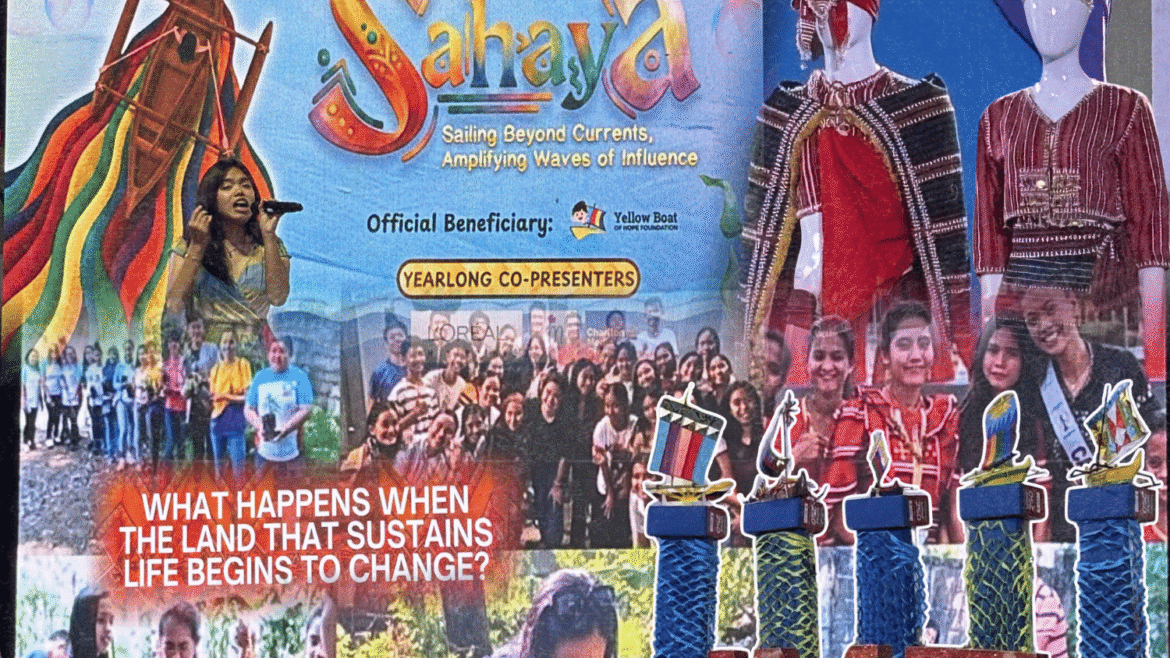
During “SAHAYA: Sailing Beyond Currents, Amplifying Waves of Influence,” a three-day event organized by the Polytechnic University of the Philippines Junior Marketing Executives last week, discussions on Indigenous rights highlighted how environmental crises, displacement, and land conflicts remain deeply tied to long-standing, structural inequalities.
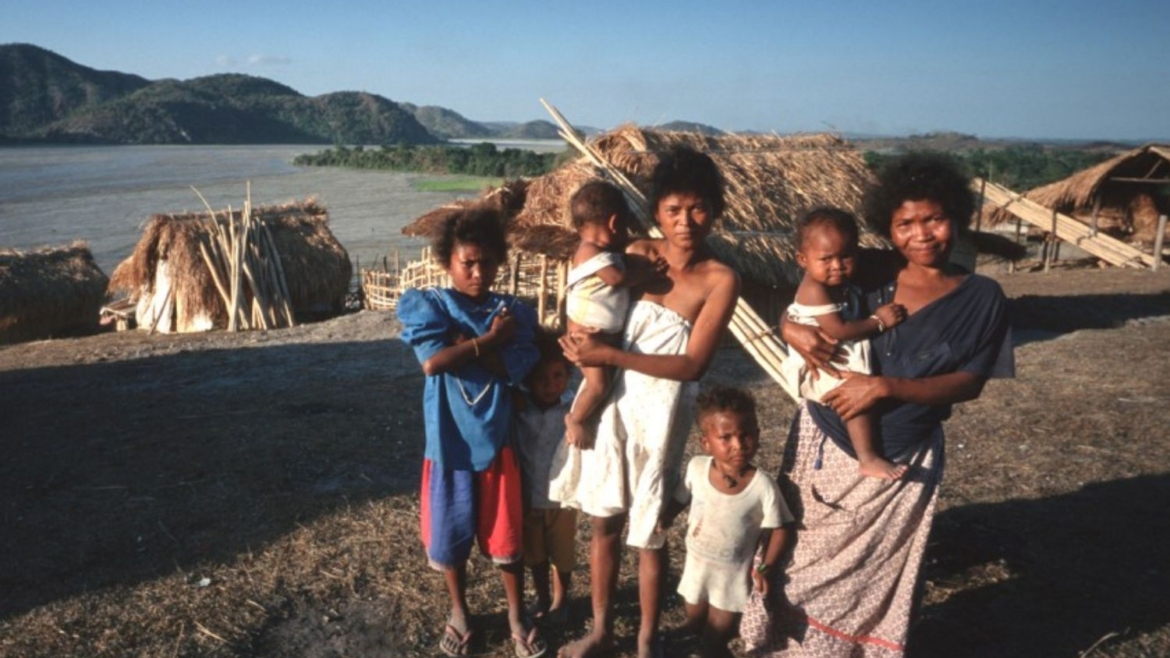
In Maramag, Bukidnon, worsening floods have become a recurring threat in low-lying communities near major river systems connected to the Pulangi River basin watershed. Local records show hundreds of families were affected during severe flooding incidents, with environmental degradation, siltation, timber poaching, deforestation, and land conversion identified as major contributing factors alongside extreme rainfall.
The socio-ecological crisis
Climate projections from the Department of Science and Technology also suggest rising temperatures and shifting rainfall patterns in Bukidnon in the coming decades, increasing risks of drought and more severe flooding. Yet local governments often face limited resources in implementing long-term flood mitigation projects.
Meanwhile, in Kalinga, Indigenous communities continue resisting multiple hydropower projects that they say threaten ancestral lands, livelihoods, and cultural identity. Residents fear that dam construction and river alterations could worsen flooding, accelerate deforestation, and permanently transform communities dependent on rivers, forests, and traditional farming systems.
Critics also argue that many of these projects primarily benefit private interests and large-scale energy distribution systems, while affected communities shoulder the social and environmental consequences.
The discussions during SAHAYA offered a glimpse of the realities faced by many Indigenous peoples across the country: that conversations on climate resilience, energy transition, and economic growth cannot be separated from land rights, historical marginalization, and environmental justice.