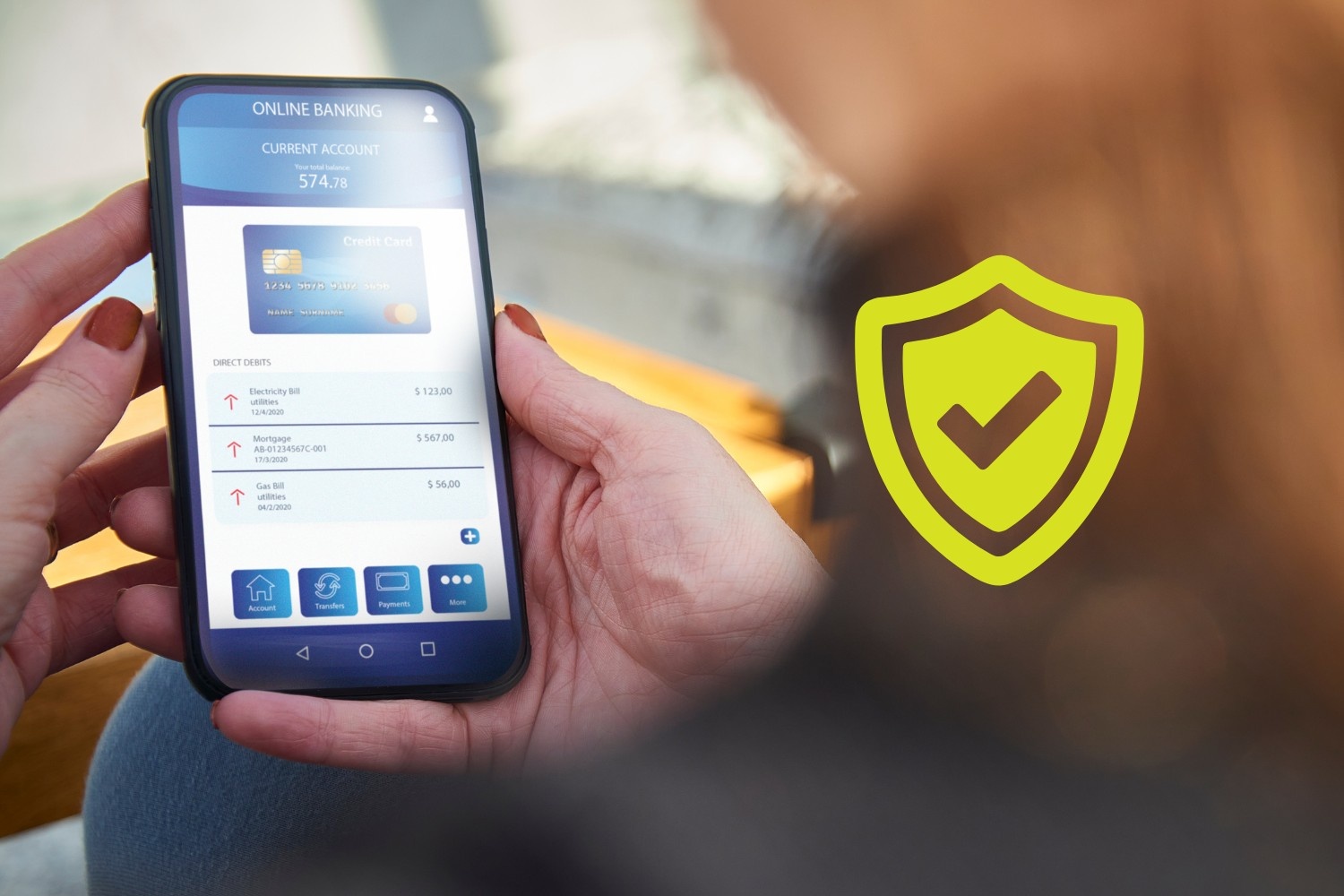
The era of the branchless, smartphone-driven bank account.
As the Bangko Sentral ng Pilipinas (BSP) officially capped the country’s standalone digital banking licenses to an exclusive roster of six players—Maya Bank, Tonik Digital Bank, GoTyme Bank, UNO Digital Bank, UnionDigital Bank, and Overseas Filipino Bank (OFBank)—the era of the branchless, smartphone-driven bank account is now a permanent part of local finance.
Neofintech has changed the rules of money for the modern workforce of freelancers, content creators, gig workers, and micro-entrepreneurs. But a complete departure from old-school brick-and-mortar institutions involves stark trade-offs.
Digital bank upsides
Traditional banks have strict rules, low interest rates, and penalize you for not keeping a minimum balance. Digital banks, on the other hand, have no minimum balance requirements. They offer much higher interest rates (around 3% to 5% p.a.), and apps like Maya even let you increase your rate up to 15% just by using the app for everyday expenses.
Getting an account is also incredibly fast, helping millions of unbanked Filipinos get easy access to banking. You don’t need a mountain of paperwork—just one government ID and a quick smartphone face scan will get you an account in five minutes. Plus, instead of waiting weeks for a card to arrive in the mail, GoTyme lets you print a working debit card instantly at digital kiosks inside supermarkets.
Lastly, these apps fit perfectly into the social Filipino lifestyle. They have turned the traditional paluwagan into smart group-savings features like Tonik’s “Group Stashes” and Maya’s “Personal Goals,” while making it easy to split bills with friends in real time using QRPh codes.
Hidden virtual risks
Branchless banking is convenient, but relying entirely on digital apps makes it easy to overspend. Without the physical feeling of handing over cash, you don’t feel the psychological “pain” of losing money, which can easily trap undisciplined spenders in a loop of digital debt.
Digital banks are also prime targets for hackers and scammers, especially since many users aren’t familiar with online fraud. If a hacker breaks into one friend’s account, the linked social features like group savings put everyone else’s money and data at risk.
Worse, you can’t get real-world customer support. When an app glitch locks you out of your life savings, you have to deal with AI chatbots instead of a real branch manager who can solve your problem right away.
Finally, these apps completely freeze during internet outages or brownouts. Even putting cash into your account requires visiting partner stores that charge extra fees, which cut into your high interest earnings.
But are digital banks safe?
Yes. Every single one of the six officially licensed digital banks regulated by the Bangko Sentral ng Pilipinas (BSP) is under the exact same strict risk management mandates as traditional giants. Most importantly, the Philippine Deposit Insurance Corporation (PDIC) officially insures consumer deposits up to ₱500,000 per depositor.
Digital banking is a great way to grow your extra cash, not keep a minimum balance, and run a fast online business. But the most practical approach is to use both digital and traditional banks, as internet and power connections in the Philippines can still be unreliable. Use digital banks to get high interest on your savings and pay for daily expenses, but keep a safety net of emergency money at a brick-and-mortar bank you trust.
READ:

This bank is turning its employees into shareholders
radar Business
May 26, 2026

Digital piggy banks designed to grow Filipinos’ hard-earned cash
John Lloyd Aleta
November 19, 2025
Smaller banks may offer more benefits than larger institutions, says finance content creator
John Lloyd Aleta
June 5, 2026