
Maki brings together emerging Filipino artists, turning his music video into a shared space where multiple voices and visions collide. Photographs by Denchelle Castro
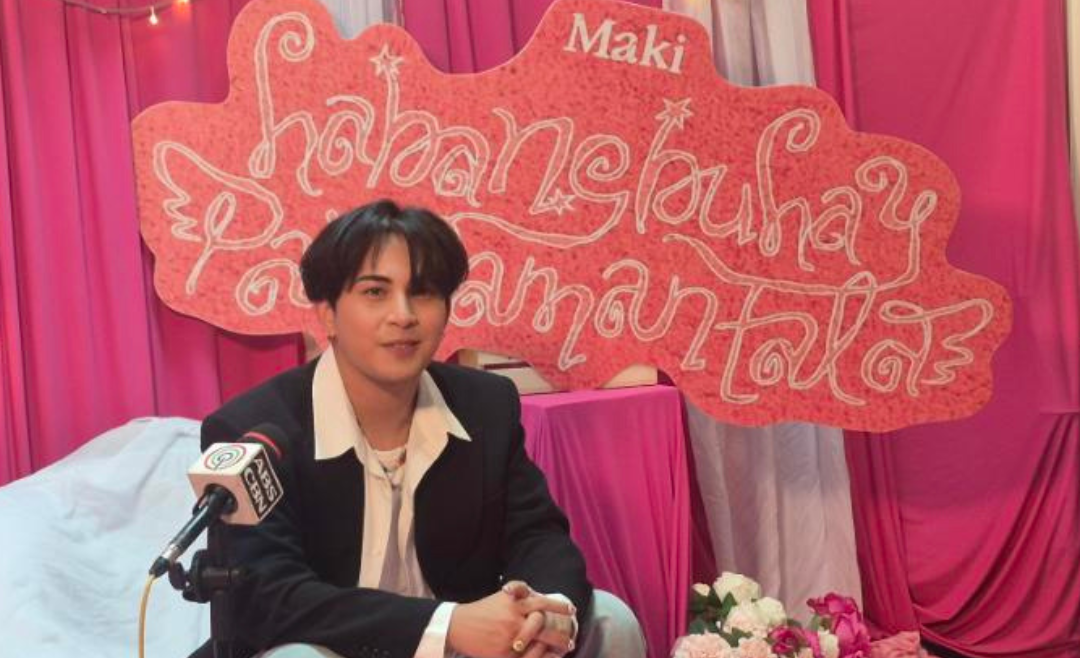
During a media conference, Maki revealed that he personally scouted and recommended the visual artists featured in the project. What drew him to them was not just technical ability, but passion.
Talent, after all, can light a spark.
Drive keeps the fire alive.
By inviting emerging artists into his creative universe, Maki transformed his platform into a bridge rather than a spotlight. Instead of standing alone at the center, he widened the stage and allowed others to step into the light with him.
Every artist interpreted the song differently. Some painted longing. Others illustrated hope, memory, or fleeting connection. Together, their visions became a collective conversation about what it means to exist, love, and let go.
The colorcoaster theory of life
The title of Maki’s album, “Kolorcoaster,” already suggests movement.
Not a straight road, but a ride.
Not certainty, but curves.
This philosophy quietly pulses through “Habangbuhay Pansamantala.” Inspired in part by the multiverse concepts explored in “Everything Everywhere All at Once,” the music video embraces the idea that countless versions of ourselves exist within the choices we make and the people we meet.

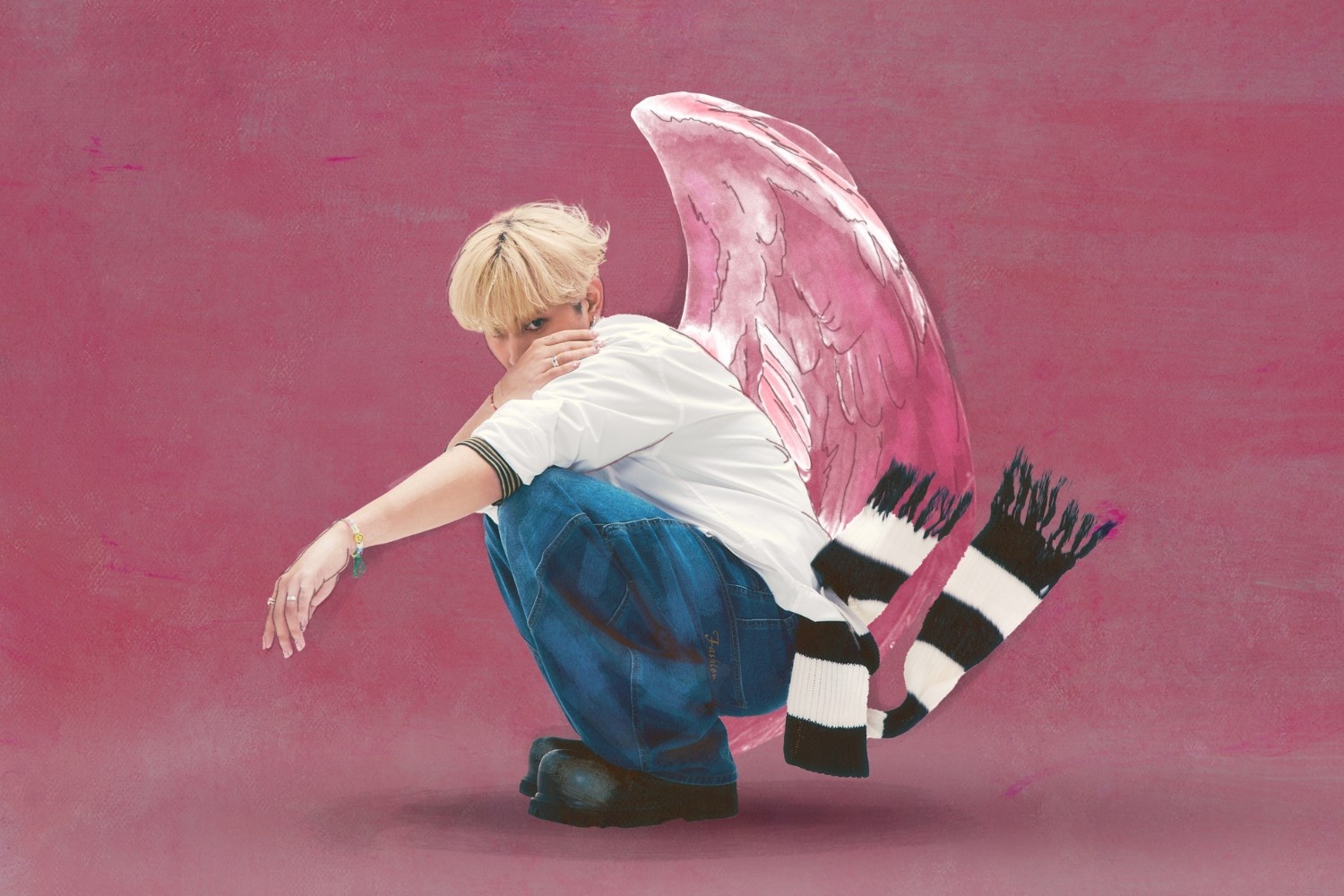
Inspired by life’s “colorcoaster,” Maki explores love, timing, and impermanence through visuals that mirror the many versions of ourselves.
The visuals unfold like parallel windows into different emotional realities. One moment feels playful. Another feels nostalgic. Then suddenly, the viewer is confronted by a scene that aches with vulnerability.
Like a roller coaster rushing through tunnels of color, the music video reminds audiences that life is never experienced in a single shade.
Joy and grief often occupy the same seat.
Love and impermanence travel together.
And sometimes, the most temporary moments become the ones that stay with us forever.
When art becomes a voice
Beyond aesthetics, Maki’s colorful world carries a deeper purpose.
Ahead of Pride Month, he intentionally included a scene featuring two girls—a quiet but meaningful acknowledgment of LGBTQIA+ experiences.
In a society where minorities continue to navigate prejudice and invisibility, representation can be more than symbolism. It can be recognition. It can be a reminder that someone sees you.
For Maki, “Kolorcoaster” is not simply an album filled with vibrant imagery. It is an opportunity to tell stories that often remain unheard.
That philosophy mirrors the very structure of the music video itself. Every artist involved was given space. Every interpretation was allowed to exist. Every perspective became part of the final picture.
And perhaps that is what makes “Habangbuhay Pansamantala” resonate beyond its runtime.