Skip to content Skip to sidebar Skip to footer

From Malate’s rainbow-filled streets to a 15,000-strong comeback, White Party Manila’s story is one of pride, resistance, celebration, and community. 

For many Filipinos in the LGBTQIA+ community, White Party Manila is more than a night of music, lights, and all-white outfits. It is a living timeline of queer visibility in the Philippines—a celebration that has evolved with every generation while carrying the same message it started with: everyone deserves a place to belong.

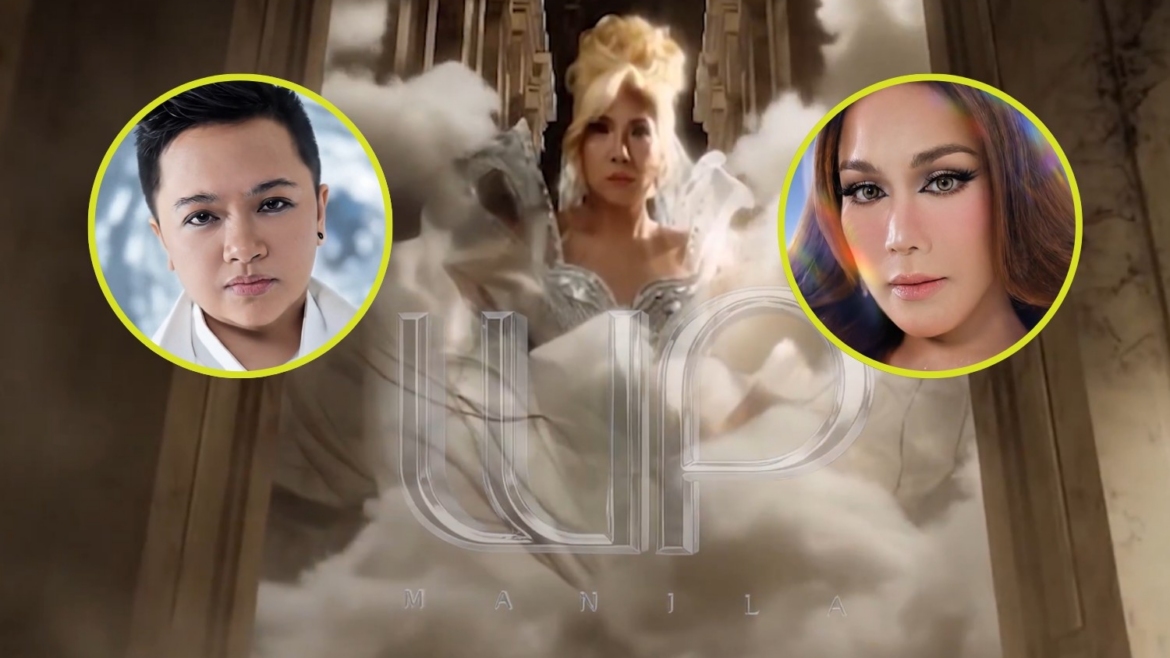
As White Party Manila returns this June 27 at the World Trade Center in Pasay City under the banner “REIGNITE,” the event is not simply making a comeback after 12 years. It is reviving a legacy decades in the making.

2001–2010 | The streets of Pride

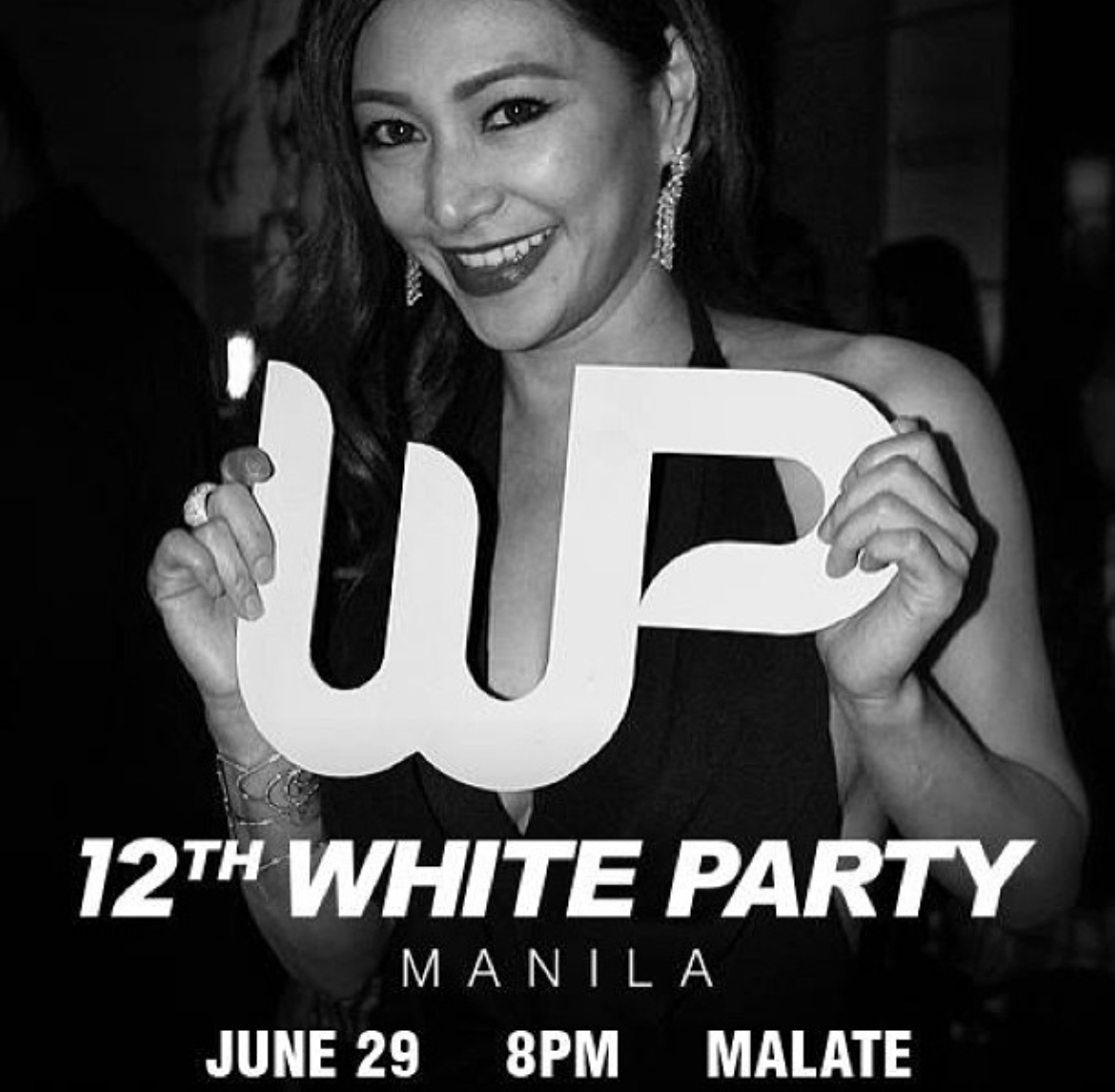
Long before massive indoor productions and celebrity ambassadors became part of the experience, White Party Manila began as a grassroots gathering in the heart of Malate.

The first edition was held in 2001, bringing together members of the lesbian, gay, bisexual, and transgender community to promote local businesses, advocate for gender equality, and create a visible space for self-expression.

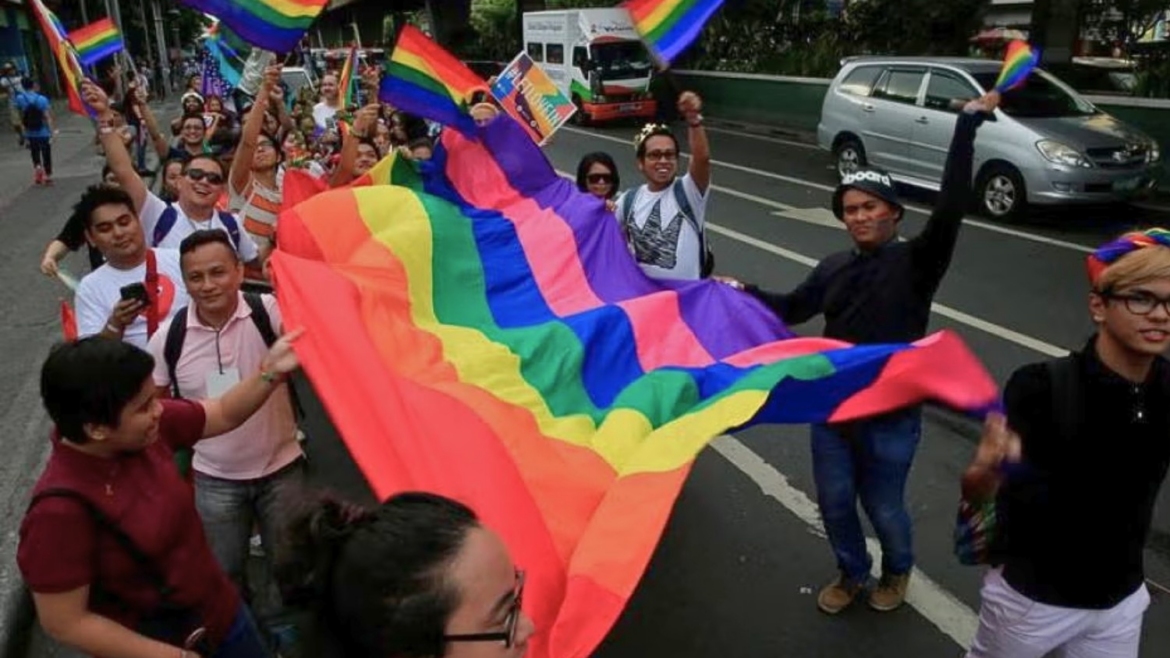
Every June, Orosa and Nakpil Streets transformed into a sea of white. Dance floors spilled into the streets. Music echoed through the district. Strangers became friends. For many attendees, it was their first experience of being openly celebrated rather than merely tolerated.

Over time, the event grew into Metro Manila’s largest annual LGBTQIA+ gathering, becoming an important symbol of Pride Month in the country.

2011 | A decade of visibility


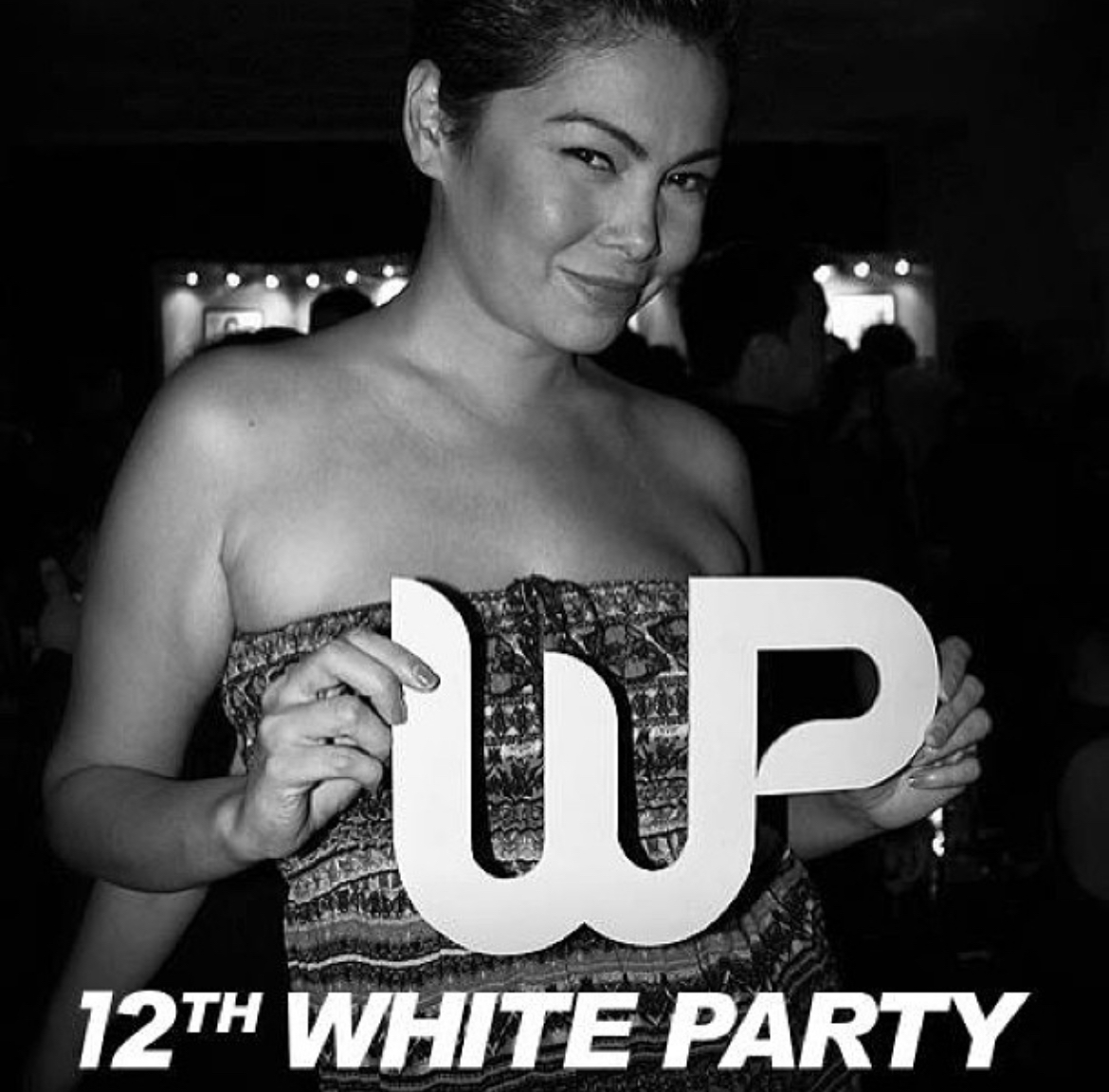
By its tenth year, White Party Manila had become a cultural fixture.

Familiar faces filled the celebration, including photographer and activist Niccolo Cosme, whose advocacy campaigns helped amplify conversations about HIV awareness and LGBTQIA+ rights. Internet personality Bekimon also drew crowds, reflecting the growing influence of queer voices in digital spaces.

Even mainstream celebrities joined the festivities. Among them was Anne Curtis, whose appearance signaled how Pride events were beginning to receive broader public attention.

The celebration had become bigger than a party—it had become part of Philippine pop culture.

2012 | Two white parties, one shared spirit

The year 2012 became one of the most significant chapters in White Party Manila’s history—not because of one celebration, but because of two.

On June 23, the Bigfish Innovation White 2012 transformed the World Trade Center in Pasay City into a massive indoor spectacle. Branded with the slogan “Purity. Unity. Seduction. Sensation,” the event gathered thousands of white-clad partygoers for what was then considered the country’s largest electronic dance music gathering. International acts including Cosmic Gate, Myon & Shane54, Bobina, and Emma Hewitt headlined the night, bringing a global festival atmosphere to Manila. It was a celebration fueled by music, lights, and the growing appetite for large-scale entertainment experiences.

Just days later, a different kind of White Party took over the historic streets of Malate.

The 11th Annual LGBT+ Pride White Party returned to Orosa and Nakpil Streets, continuing a tradition that had become a cornerstone of Pride Month in the Philippines. Thousands gathered in white not only to celebrate but to stand in solidarity with the LGBTQIA+ community. The streets came alive with drag performances, DJ sets, community activities, and advocacy-driven programs that championed gender equality and inclusivity.

While one White Party filled an arena with pulsating beats and international DJs, the other filled city streets with Pride, visibility, and activism. Together, they reflected two sides of Manila’s nightlife culture—one centered on entertainment, the other on community empowerment.

2013 | Dancing through the storm


If one year captured the resilience of the community, it was 2013.

Heavy rains flooded parts of the venue, leaving attendees navigating ankle-deep water. The weather threatened to dampen the festivities, but the crowd refused to let the celebration end.

Performers braved strong winds in elaborate costumes. Guests danced despite the conditions. The “Sea of White” remained intact.

Beyond the music, organizers used the platform to discuss global LGBTQIA+ issues, including landmark developments in marriage equality in the United States and the continuing fight for anti-discrimination legislation in the Philippines.

It was a reminder that White Party Manila had never been just about entertainment. It was also about making voices heard.

2014 | When mainstream met Pride

By 2014, White Party Manila’s influence had expanded far beyond the LGBTQIA+ community.

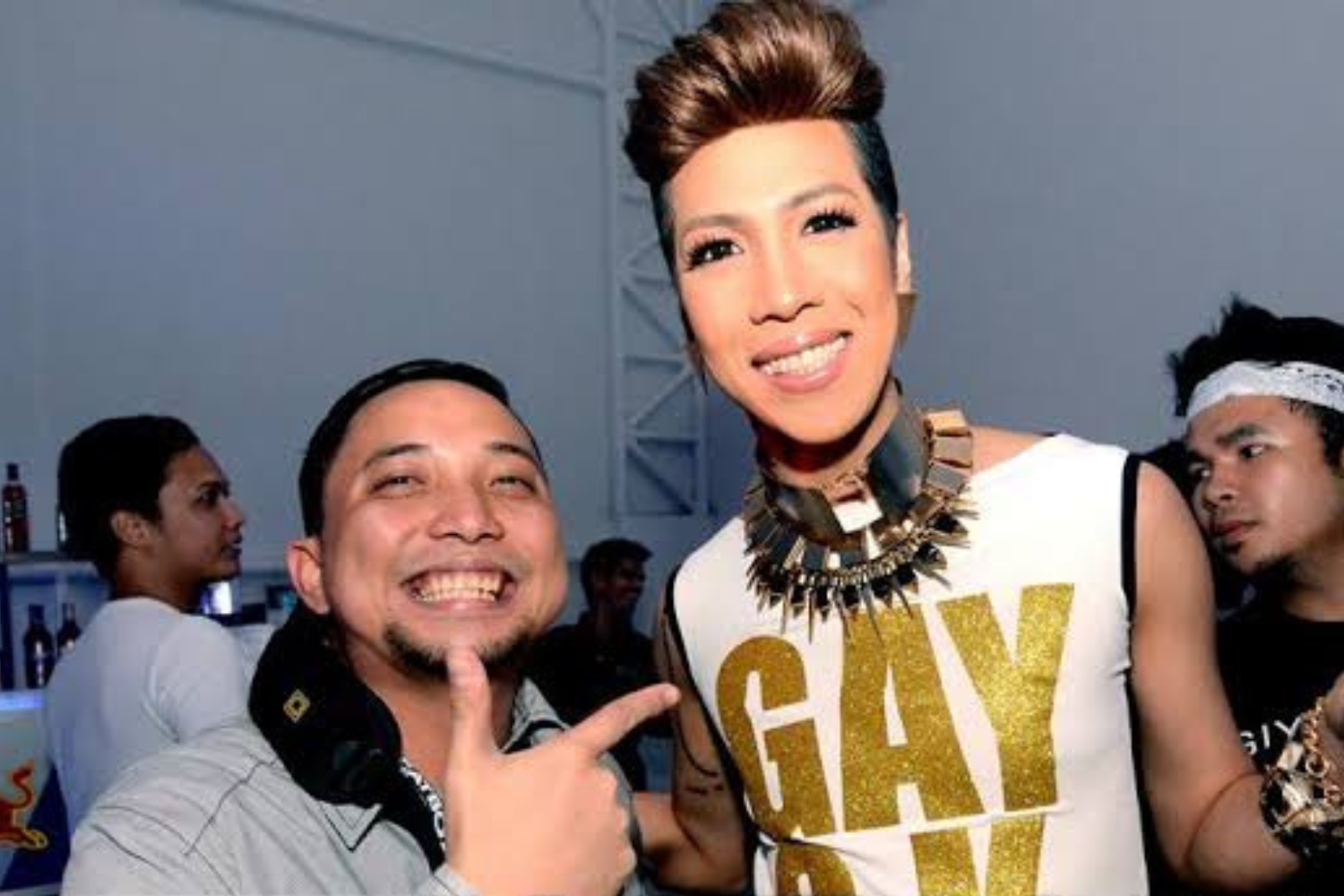
Held at the Greenfield District, the event drew celebrities from across the entertainment industry, including John Lapus, Paulo Avelino, Eugene Domingo, Marian Rivera, Aiko Melendez, and Vice Ganda.

Their presence signaled a shifting cultural landscape—one where Pride celebrations were no longer on the margins, but increasingly embraced by the mainstream.

As the movement grew, so did its audience. Production scaled up dramatically. International-caliber DJs, immersive visual experiences, and large-scale performances transformed the party into a full-blown sensory spectacle.

Blending nightlife, entertainment, and community, the event set a new benchmark for large-scale, Pride-adjacent gatherings in the country. It was no longer just a local tradition—it had become a destination.

After 2014, however, the event went on hiatus, as organizers shifted focus and took time to restructure, addressing event fatigue while laying the groundwork for more sustainable, long-term community impact.

2026 | REIGNITE
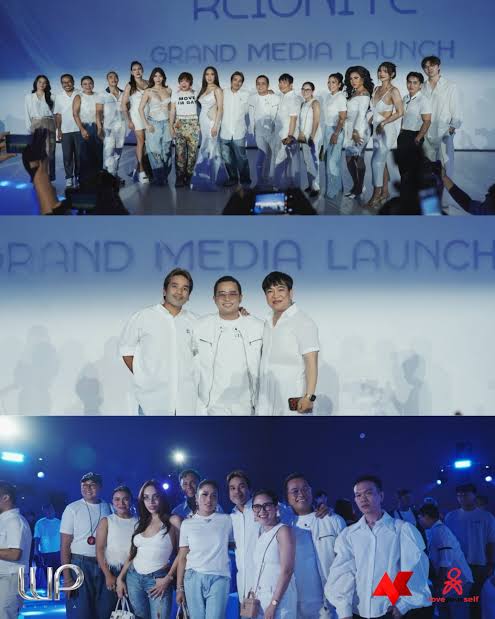
Almost twelve years after its last major chapter, White Party Manila returns to the World Trade Center with its boldest vision yet.

Presented by Mentorque Productions in partnership with LoveYourself, REIGNITE aims to bring together generations of LGBTQIA+ Filipinos while introducing the experience to a new audience.

Leading the campaign is a powerful ambassador lineup that includes Vice Ganda, Janella Salvador, Mimiyuuuh, Klea Pineda, KaladKaren, John Lapus, Alex Diaz, Kirk Bondad, Joey Mead King, Liza Diño, Angie King, Chie Filomeno, Kenneth Marcelino, Andoy Ranay, and Ice Seguerra.

Adding to the excitement are performances from Ben&Ben, Maki, Gloc-9, Marina Summers, Miss Jade So, and a lineup designed to merge rave culture, drag artistry, and Filipino pop culture into one unforgettable night.

Organizers expect between 15,000 and 20,000 attendees—a testament to the enduring power of the event.

But perhaps the biggest attraction is not the music, the lights, or the celebrity appearances. It is the chance to reconnect.

In a world increasingly shaped by screens and algorithms, White Party Manila is returning to offer something simple yet powerful: community.

Because after all these years, White Party Manila remains what it has always been—a place where people can come together, celebrate who they are, and shine unapologetically under the same bright lights.
READ: