From economic pressures and career goals to higher relationship standards.
You start noticing it at reunions, weddings, and birthday dinners.
The friend who used to dream about getting married at 25 is now happily traveling alone. The cousin everyone expected to settle down is focused on building a business. Even your office barkada seems to have more single members than couples these days.
After a while, you can’t help but ask: Why are so many Filipino adults still single?
The numbers suggest this isn’t just a feeling.
According to data from the Philippine Statistics Authority (PSA), roughly 34 million Filipinos have never married, representing around four out of every ten adults in the country. In fact, the Philippines has one of the largest populations of single adults in Southeast Asia.
For decades, marriage was seen as a natural milestone of adulthood. Finish school, find a job, get married, have children. Today, that script is being rewritten.
One reason is money.
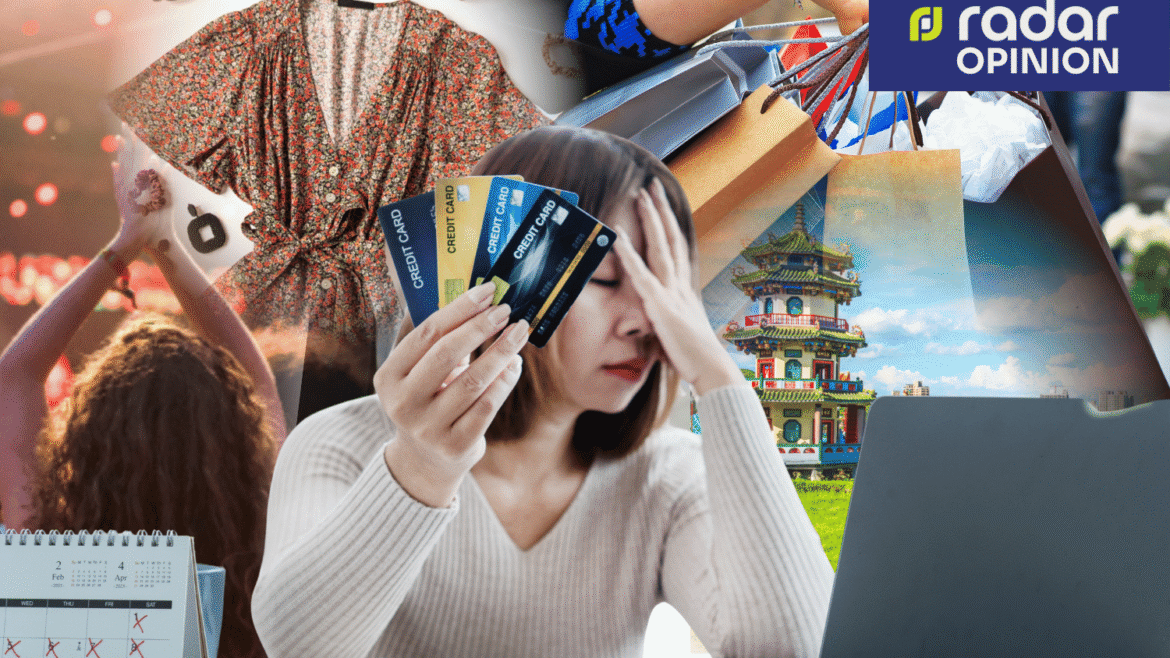
Many Filipino men still feel intense pressure to become providers before entering a serious commitment. With inflation, expensive housing, stagnant wages, and economic uncertainty, marriage can feel financially out of reach. Some delay relationships because they don’t believe they’re financially ready.
At the same time, Filipino women have become more financially independent than ever. More women are finishing college, building careers, and earning their own income. Marriage is no longer viewed as an economic necessity but as a personal choice.
Then there’s a simple reality: many people genuinely enjoy being single.
A recent nationwide survey found that 68 percent of single Filipinos consider themselves single by choice. Instead of searching for a partner, many are prioritizing career growth, mental health, travel, hobbies, friendships, and family responsibilities.
Technology has also changed dating. While apps have made meeting people easier, they have also made relationships feel more complicated. Endless options can lead to endless comparisons, making commitment harder for some.
Ironically, the rise of singlehood doesn’t necessarily mean Filipinos have given up on love. Many simply have higher standards than previous generations. Rather than settling for unhealthy, incompatible, or unequal relationships, they would rather remain single.
The country’s unique legal environment also plays a role. Without divorce, many Filipinos have witnessed unhappy marriages that cannot be easily dissolved. For younger generations, that serves as a cautionary tale rather than an inspiration.
Perhaps the biggest shift is cultural.
Previous generations often asked, “When are you getting married?” Today’s young adults are increasingly asking a different question: “Will marriage make my life better?”
For millions of Filipinos, the answer is no longer automatic.
And that may explain why the number of single adults continues to remain remarkably high. Being single is no longer viewed as a temporary waiting room before “real life” begins. For many Filipinos, it has become a valid, fulfilling, and intentional way of living.
READ: