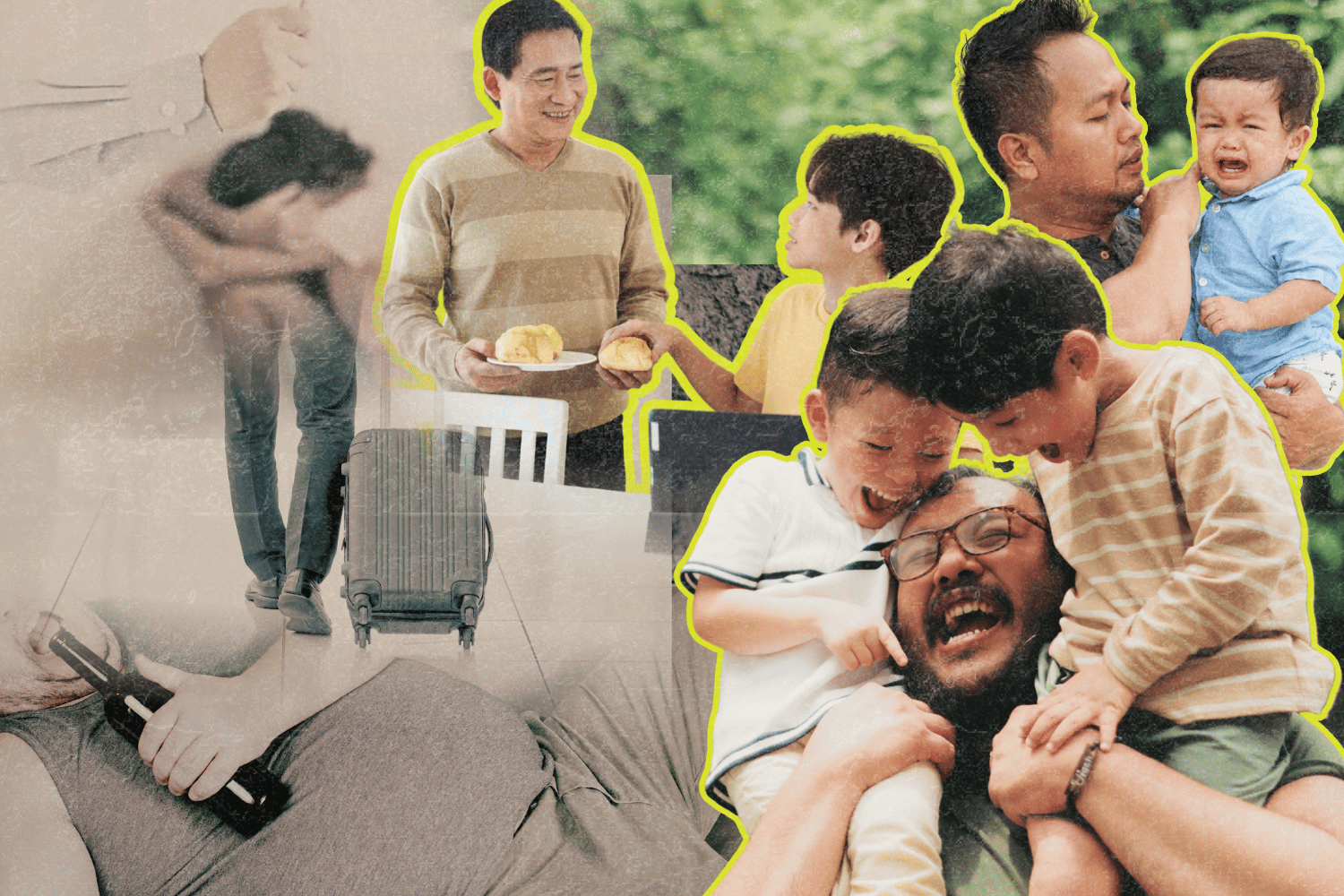
The changing role of the Filipino father.
If you grew up in the Philippines in the 1980s or 1990s, you probably knew what made a “good father.”
He paid the bills.
That was often enough.
It didn’t matter if he was emotionally distant. It didn’t matter if he never said “I love you.” It didn’t even matter if he drank too much, cheated on his wife, or terrified his children with his temper. As long as food was on the table and tuition was paid, society was willing to look the other way.
The Filipino father was the “haligi ng tahanan”—the pillar of the home. His value was measured by what he provided, not necessarily by how he treated the people he provided for.
Today, a quiet revolution is happening inside Filipino households.
A generation of fathers is trying to become the dads they wish they had growing up.
Breaking the cycle
Many millennials and younger Gen X fathers were raised by men who believed discipline meant fear.
Pamamalo was common. Belts, hangers, slippers, bamboo sticks, and whatever happened to be within reach became tools of parenting. Children were expected to obey, not explain.
For many, fathers were authority figures rather than emotional companions.
Some children learned to hide mistakes. Others learned to stay silent.
And for queer Filipinos, childhood could be even more difficult.
Many LGBTQIA+ adults still carry memories of fathers who treated their gender expression or sexuality as something to be corrected, punished, or shamed. Some were mocked for being “malambot.” Others endured physical punishment, humiliation, or emotional rejection in the hope that they would become “normal.”
While many fathers genuinely believed they were acting out of concern, the emotional scars often lasted well into adulthood.
Today’s fathers are increasingly questioning those inherited ideas.
From feared to trusted
Modern Filipino dads are redefining authority.
Instead of demanding obedience through fear, many now prioritize communication. Instead of saying, “Dahil ako ang tatay mo,” they explain, negotiate, and listen.
The goal is no longer simply to raise obedient children but emotionally healthy ones.
You see it in fathers who attend school activities, know their children’s favorite songs, help with assignments, and openly talk about mental health.
You see it in dads who hug their children without embarrassment and say words their own fathers never said to them.
“I love you.”
“I’m proud of you.”
“I’m sorry.”
For many Filipino men, those may be the hardest words to learn.
When tatay became a caregiver
Economic realities have also accelerated the transformation.
The rise of dual-income households means childcare is no longer viewed as solely a mother’s responsibility. Meanwhile, the migration of millions of OFWs has created households where fathers became primary caregivers while mothers worked abroad.
These fathers learned to cook, clean, attend parent-teacher conferences, braid hair, and care for sick children.
Tasks once dismissed as “pambabae” became part of everyday fatherhood.
In the process, many discovered that parenting involves far more than financial provision.
The provider pressure remains
Yet the old expectations have not disappeared.
Filipino society still heavily associates masculinity with earning power. Fathers who lose jobs or earn less than their spouses often face judgment that mothers rarely encounter.
The modern Filipino dad carries a double burden.
He is expected to be a provider, caregiver, emotional anchor, disciplinarian, and equal partner all at once.
The standards have expanded, but the pressure remains.
The fathers they never had
Perhaps that is why today’s shift feels so significant.
Many younger fathers are not rejecting the sacrifices their own dads made. They understand how hard previous generations worked and the economic realities they faced.
But they are adding something that was often missing.
Presence.
They want their children to remember more than who paid the bills.
They want to be the father who attended the recital, listened to problems, apologized when wrong, accepted their child for who they are, and made home feel safe rather than fearful.
In many Filipino families, fatherhood is no longer defined solely by provision.
The new aspiration is simpler—and perhaps harder.
To give their children the kind of father they themselves spent years wishing for.
READ:

radar picks: Gifts for the discerning dad
radar Lifestyle
December 17, 2025
More young Filipino men choose vasectomy as they opt out of fatherhood
Kiara Gorrospe
June 20, 2026

The 10 greatest dads in the animal kingdom and their human dad vibes
Walter C. Villa
June 21, 2026