For thousands of years, the event has been observed by different cultures around the world.
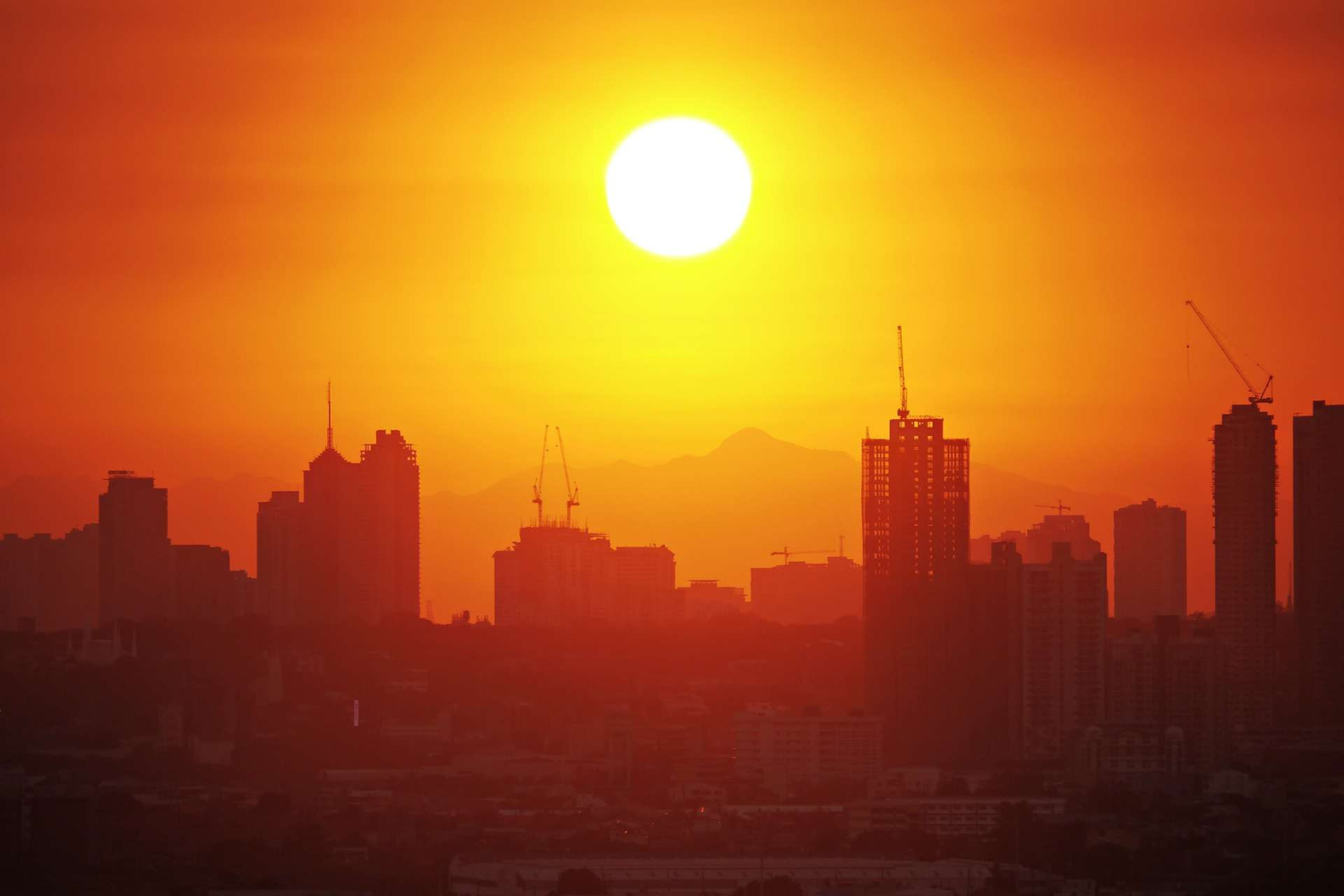
Filipinos can look forward to the longest day and shortest night of the year on Sunday, June 21, as the summer solstice officially occurs at 4:24 PM Philippine Standard Time.
According to the Philippine Atmospheric, Geophysical and Astronomical Services Administration (PAGASA), the annual astronomical event marks the moment when the Northern Hemisphere reaches its maximum tilt toward the sun. This causes the sun to appear at its highest point in the sky and results in extended daylight hours across the country.
For Metro Manila and many parts of the Philippines, daylight will last for nearly 13 hours. In the capital, the sun is expected to rise at 5:27 AM and set at 6:27 PM, giving residents one of the brightest and longest days of the year.
Despite its name, the summer solstice does not necessarily mean hotter temperatures. Instead, it is an astronomical milestone that occurs when the sun is directly overhead at the Tropic of Cancer, located about 23.5 degrees north of the equator.
The event has been observed for thousands of years by different cultures around the world, often symbolizing abundance, renewal, and the peak of the sun’s annual journey across the sky.
After June 21, daylight hours in the Northern Hemisphere will gradually begin to shorten as Earth continues its orbit around the sun. The next major seasonal marker will be the September equinox, when day and night are nearly equal in length.
Skywatchers will also have another celestial event to anticipate shortly after the solstice. The June Bootid meteor shower will become active on June 22 and is expected to reach peak visibility on June 27, offering astronomy enthusiasts another reason to look up at the night sky.
While the difference may seem small in everyday life, the summer solstice remains a reminder that even the length of a day is constantly changing as Earth moves through space.
READ: