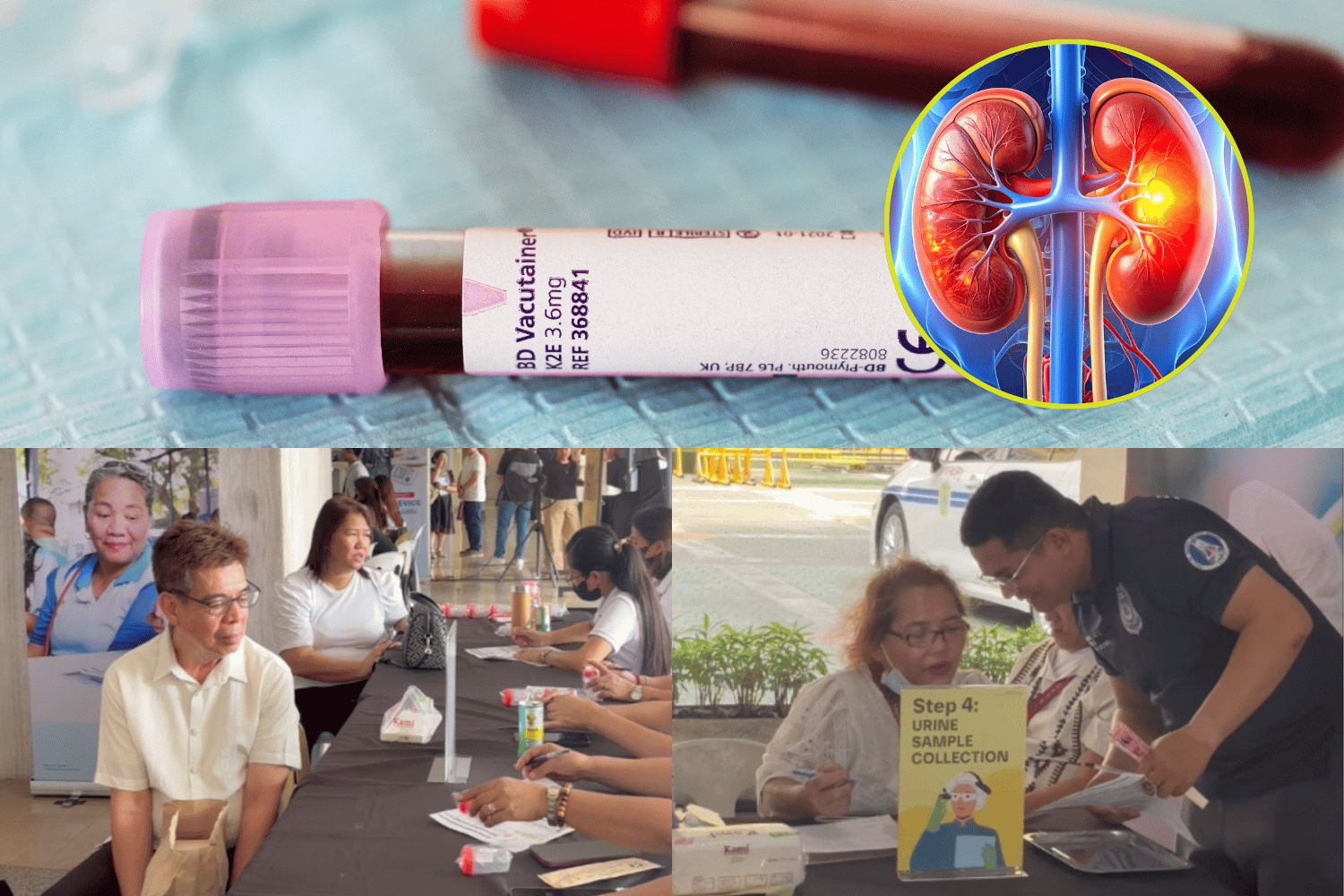
Seven uACR machines from Boehringer Ingelheim will be deployed across the city to detect early signs of kidney damage
Chronic kidney disease (CKD) is emerging as a growing public health concern in the country. In response, the Quezon City local government is expanding screening efforts as officials warn that more patients are being diagnosed at younger ages.
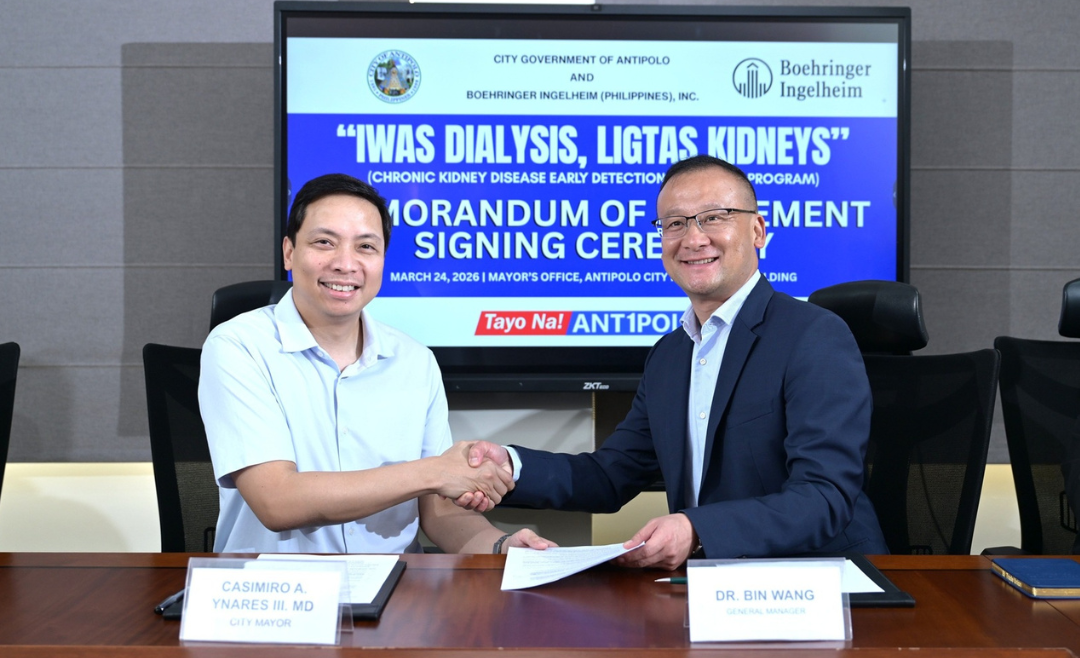
The Quezon City government recently received seven urine albumin-creatinine ratio (uACR) machines from pharmaceutical company Boehringer Ingelheim, with the devices set to be deployed across the city’s districts to help detect early signs of kidney damage before symptoms become severe.
The move comes as local officials push for wider community-based screening, particularly among residents with diabetes and hypertension, two of the leading causes of CKD.
People can develop CKD from unhealthy eating habits, such as excessive consumption of sweet or salty food, smoking, medication overuse, or in some cases, genes.
According to figures cited by Quezon City Mayor Joy Belmonte, CKD affects nearly 36% of Filipinos, far above global estimates. Around 64,000 patients underwent dialysis in 2024, a figure that was 22% higher than the previous year.
If current trends continue, Belmonte said dialysis patients could reach 150,000 by 2030.
Currently, residents from more than 20 barangays in Quezon City have already been tested for CKD. The test is free and only takes around 30 minutes, including a consultation with on-site medical doctors.
Health experts have long warned that kidney disease is often detected too late, leaving many patients dependent on costly long-term dialysis treatments that can run into hundreds of thousands of pesos annually.
On another front, Belmonte also disclosed plans to pursue an ordinance promoting organ donation among Quezon City residents. The proposal includes encouraging residents to carry donor identification cards that could help facilitate organ donation in the future.
READ: