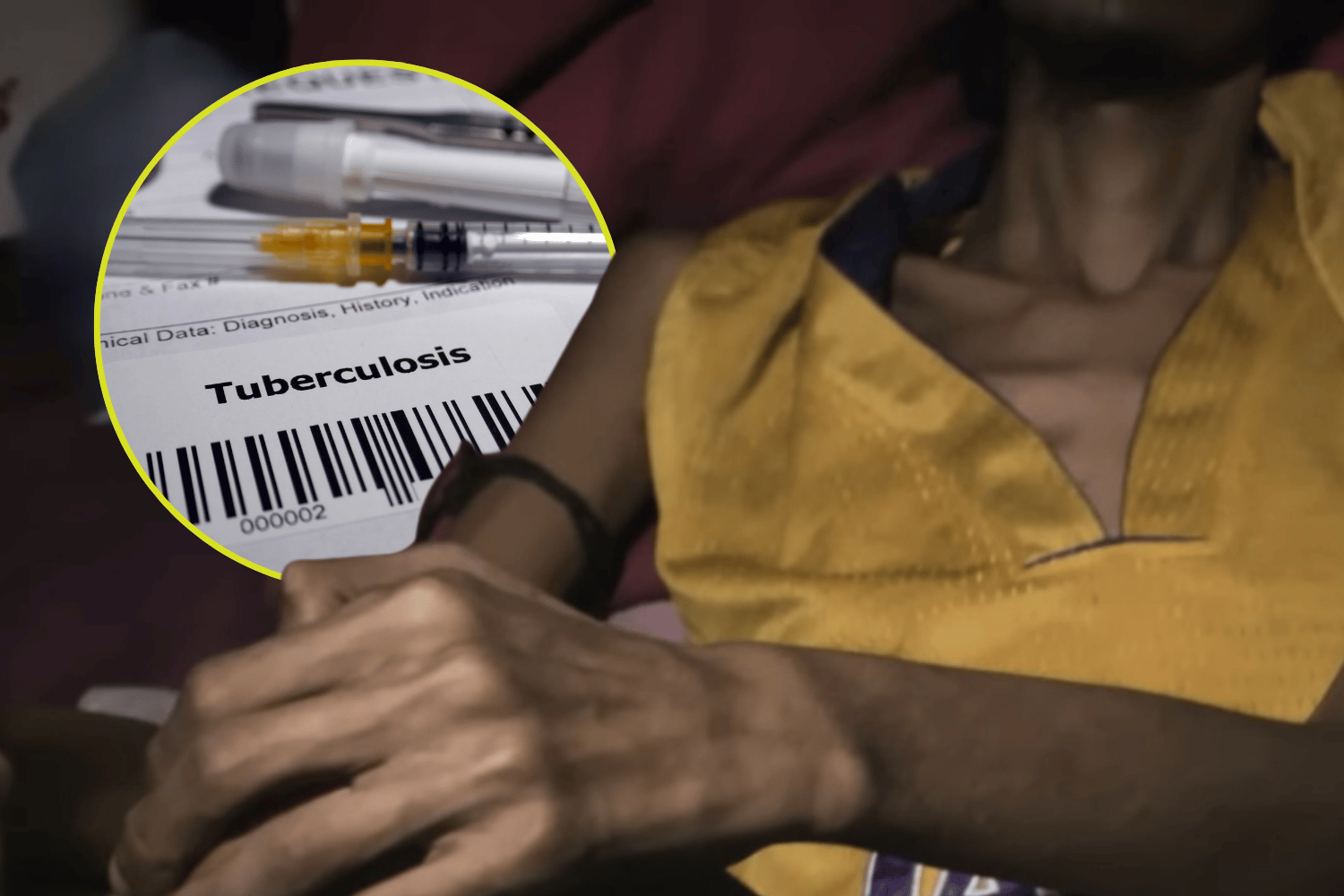
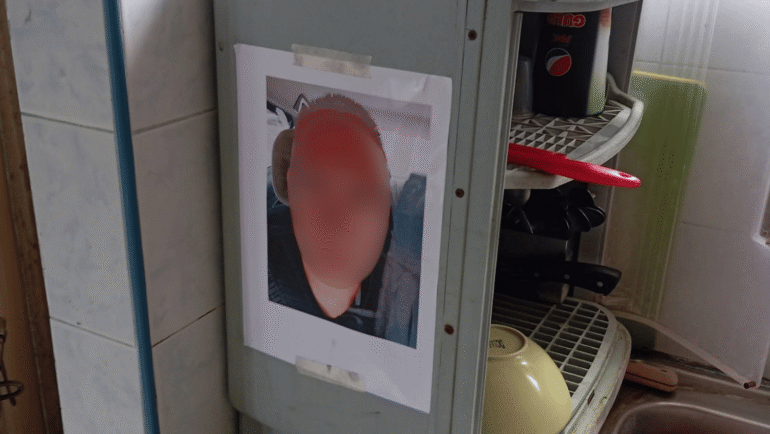
In one case, TB patient “Luz” was expected to recover in six to seven months. Instead, his treatment stretched to nine months—marked by inconsistent drug supply, mounting expenses, and declining health. He died on June 2.
The Philippines remains among the countries with the highest TB burden, with over 517,000 cases recorded in 2025. Around 20,000 Filipinos die from the disease each year.
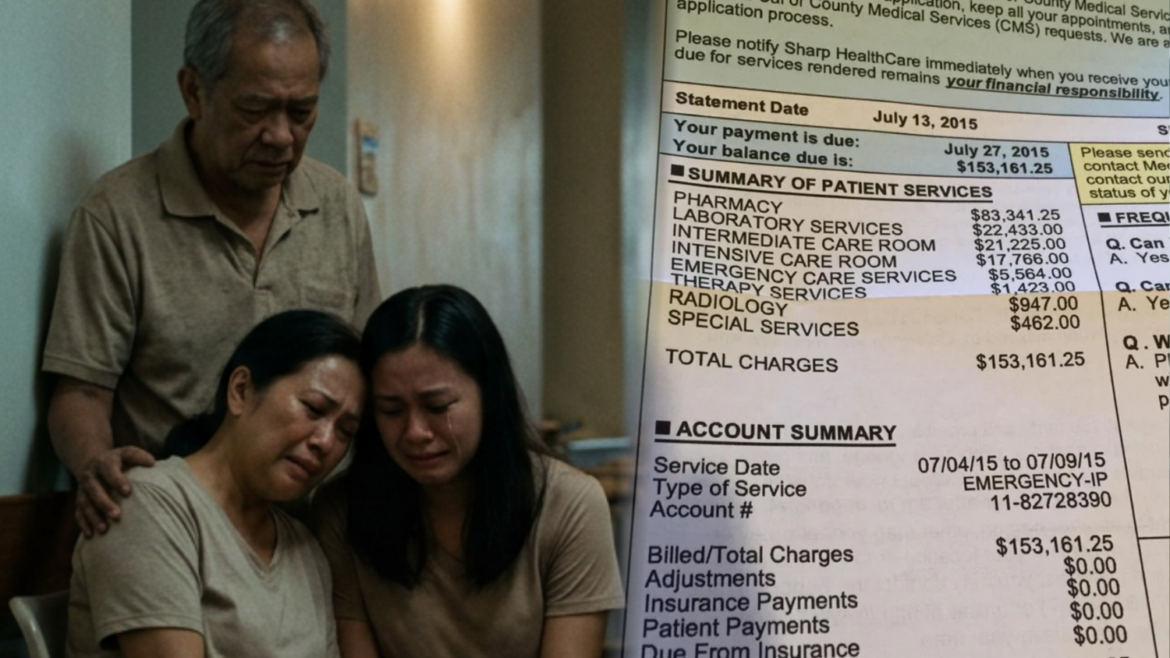
While medication is officially free in public facilities, supply shortages often force patients to buy drugs from private pharmacies—leading to financial burden.
The documentary also traces how the disease thrives beyond clinics.
In densely populated areas like Tondo, cramped and poorly ventilated homes accelerate transmission. In communities such as “Lupang Walang Langit,” multiple families share tight, enclosed spaces with little sunlight and limited sanitation—allowing TB to spread easily.
“Kapit-Hininga” reframes TB in the Philippines as a systemic failure—with poverty, housing, and uneven healthcare to blame.
Clarisse Dane Phillippe Tarroja Rubite is a dedicated Communication Arts student at De La Salle University Manila, where she is honing her skills in storytelling and media production. Currently, she serves as a researcher and writer for Archers Network, the university's official television network, where she uses her academic insights with practical experience.