Treated waste water is being converted into potable water as Angat Dam levels fall and drought concerns grow.
As a looming “super” El Niño threatens to strain water supplies, Maynilad is turning to an unlikely source to help keep taps running: treated waste water.
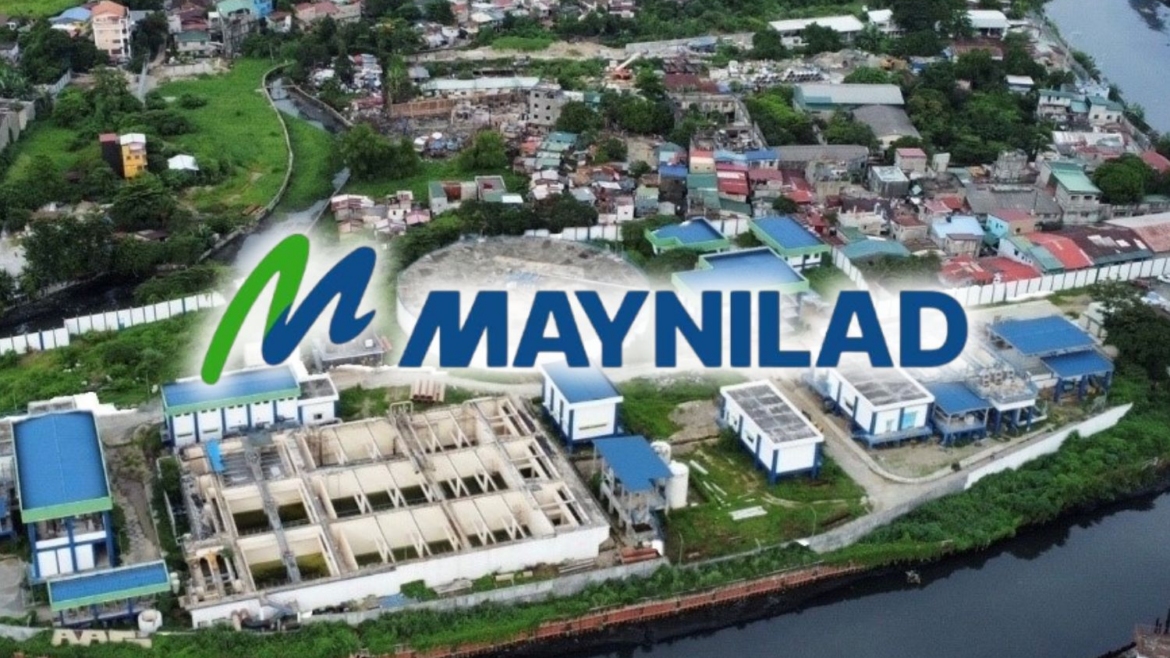
Through its NEW WATER program, the concessionaire converts treated waste water into potable water using ultrafiltration, reverse osmosis and disinfection.
Despite falling water levels at Angat Dam, the main reservoir serving Metro Manila, the company expects its water supply to remain stable.
Maynilad serves the West Zone of Metro Manila and surrounding cities and municipalities in Cavite.
Treatment facilities in Parañaque City and Valenzuela City opened earlier this year to help meet demand. Another facility in Pasay City is also being built. Once operational, it will treat up to 12 million liters of water per day—enough to supply roughly 20,000 households, based on Maynilad’s published service estimates.
The company has also increased its water treatment and reservoir capacity since the last extreme El Niño in 2019, when Angat Dam levels dropped to a historic low of 157.98 meters above sea level. The dam operates at a normal level of 210 to 212 meters, with a critical water level of 160 meters.
As of July 1, Angat Dam stood at 159.90 meters, potentially triggering risk mitigation measures such as periodic water shortages.
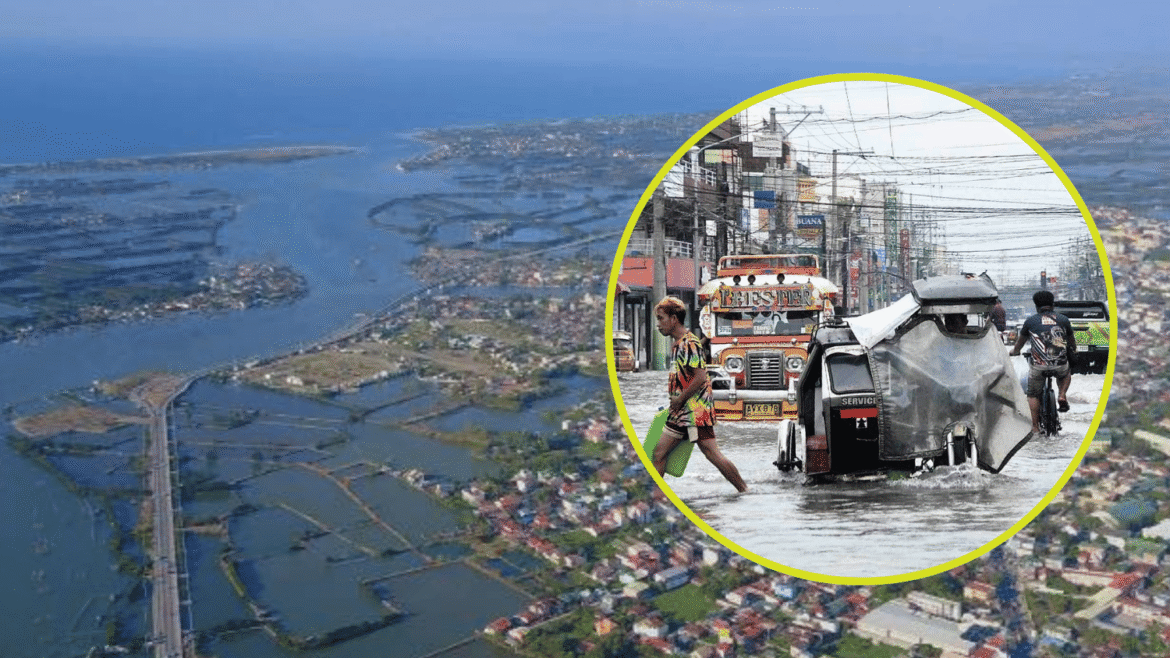
Experts warn of a “super” El Niño in the country from June to August. The period typically sees cooler temperatures over Philippine seas, resulting in a higher likelihood of droughts and dry spells. Amid extreme weather conditions brought on by climate change, these effects are expected to intensify.
The Philippine Atmospheric, Geophysical and Astronomical Services Administration also warned that the western section of the country may simultaneously experience heavier rainfall due to the Habagat season.
READ: