QR Ph accounted for 55% of PayMongo’s 10 million transactions in the first half of 2026, surpassing cards, e-wallets, online banking, and BNPL services.
QR Ph accounted for 55% of PayMongo’s 10 million transactions in the first half of 2026, surpassing cards, e-wallets, online banking, and BNPL services.
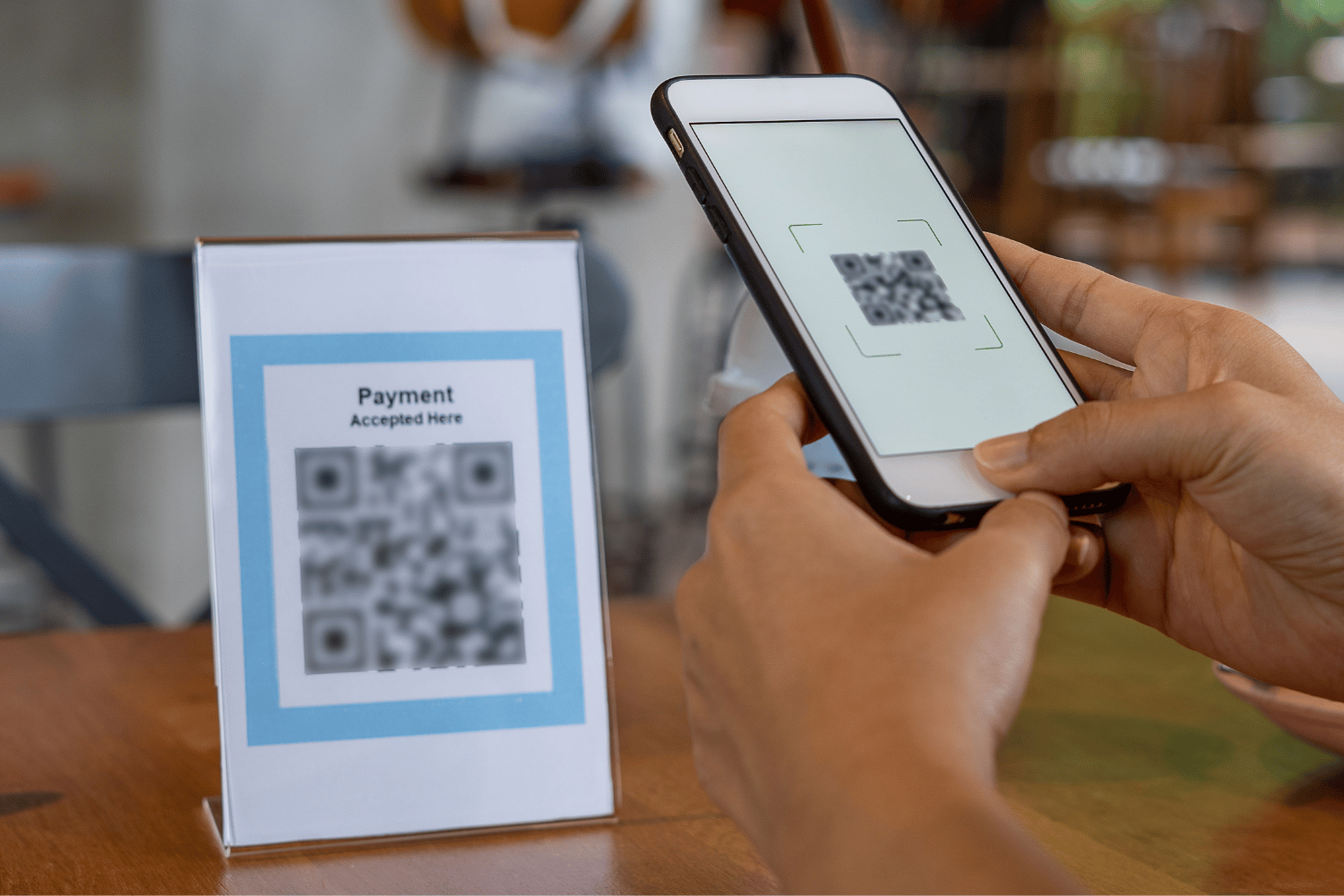
QR Ph has firmly taken the lead as the country’s dominant cashless payment mode, overtaking credit and debit cards, e-wallets, online banking, and buy now, pay later (BNPL) services.
Payment operator PayMongo said QR Ph made up 55% of its 10 million transactions from January to June 2026. E-wallets made up 21% of payments, while cards followed at 19%.
In 2025, QR Ph accounted for just 16% of total transactions on the PayMongo platform, which serves both brick-and-mortar stores and e-commerce. Cards previously led at 38%, marking a nearly 8% year-on-year decline.
QR Ph is the country’s quick response (QR) code-based payment system regulated by the Bangko Sentral ng Pilipinas, allowing consumers to transact using digital financial services that support QR codes.
In-store QR Ph payments also increased in 2026, nearly tripling compared with the previous year. More merchants are providing QR options and opting for third-party solutions to process payments.
Despite only reflecting transactions done on its platform, PayMongo said the data provides a snapshot of the country’s digital economy as a whole.
“The infrastructure is in place, the behavior has changed, and the second half of 2026 will show whether that pace holds or accelerates further,” the company said.
READ: