For the first six months of 2026, the country’s average inflation now stands at 4.8%.
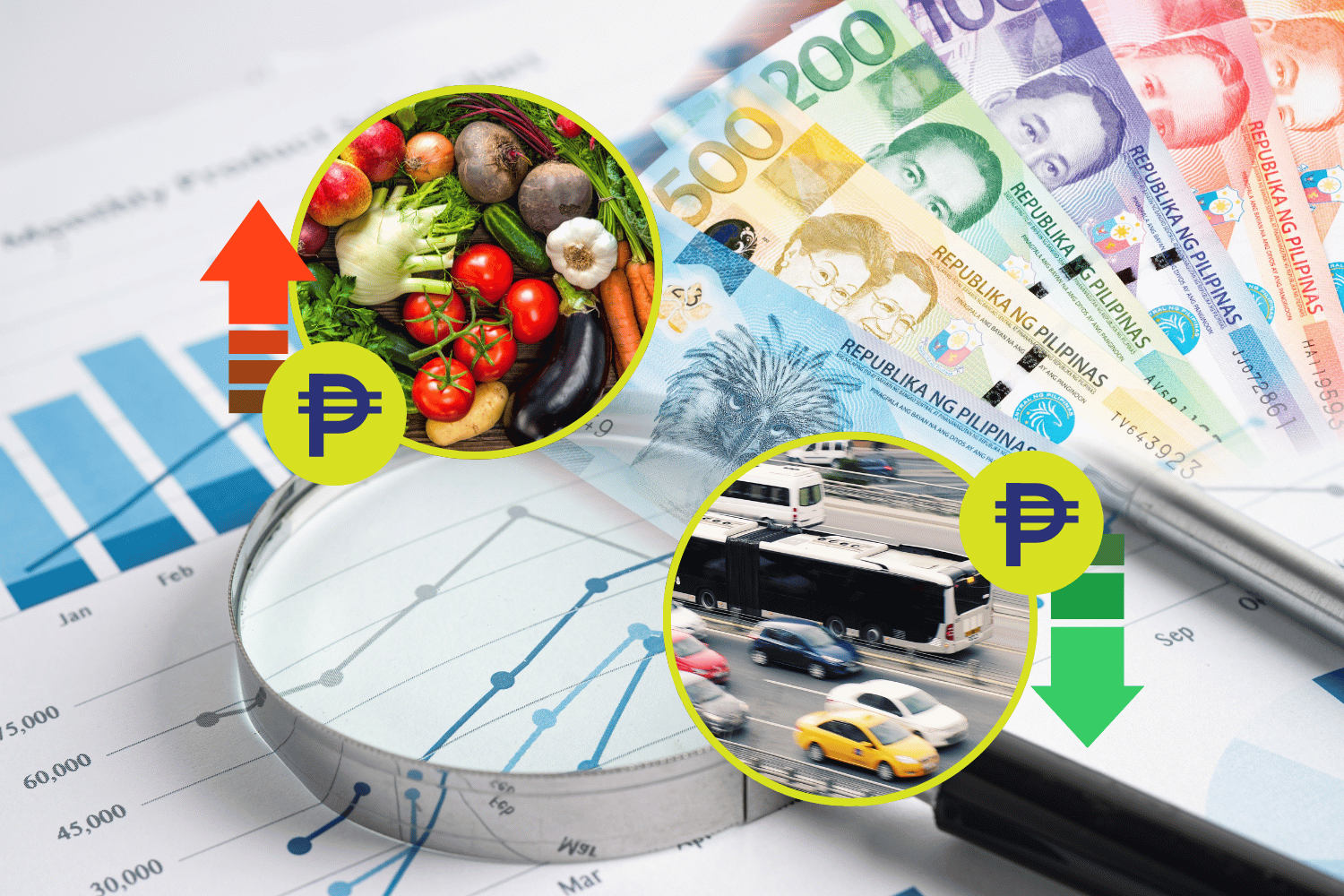
Lower transport costs helped slow inflation from May’s 6.8%, but rising core inflation suggests many Filipinos may not feel immediate relief from higher prices.
Inflation slowed for the first time in months, but Filipino households are unlikely to feel immediate relief at the checkout counter.
Consumer prices rose 6.4% in June, down from 6.8% in May, as transport costs eased following lower oil price pressures tied to improving conditions in the Middle East, according to the Philippine Statistics Authority. The latest figure also landed within the Bangko Sentral ng Pilipinas’ 6% to 7% forecast.
The slowdown, however, comes with a catch. Inflation remains well above the government’s 2% to 4% target, while core inflation, which strips out volatile food and energy prices, climbed to 4.4% from 4.1%. That suggests price increases are becoming more broad-based, even as fuel costs lose some steam.
Businesses may get a bit of breathing room from softer transport costs, but consumers are still contending with elevated prices across many everyday goods and services.
The country’s average inflation for the first six months of 2026 now stands at 4.8%, keeping pressure on household budgets and leaving policymakers with little room to relax.
As radar’s business editor, Kenneth oversees stories on innovation, enterprise, and business trends. Off the clock, you’ll find him jamming to Mariah Carey, logging miles on a run, or diving for a volleyball.