A segment on Japanese television has gone viral in the Philippines after highlighting an economic paradox.
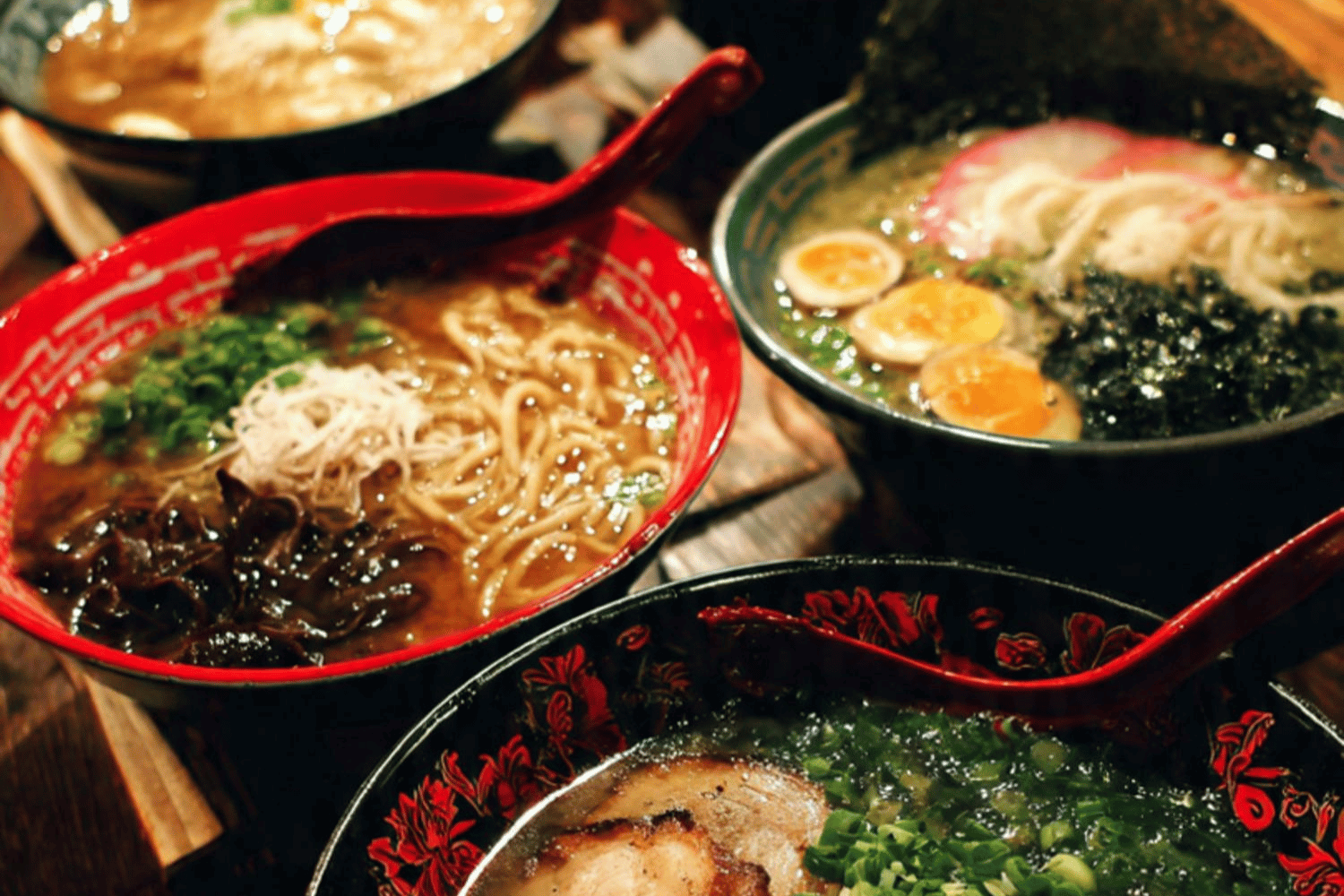
In comparing the cost of living between the two nations, the broadcast noted that a standard bowl of ramen in Tokyo costs roughly ₱350, while the exact same meal in Metro Manila retails for ₱500 to ₱600.
But the differences in ramen affordability is not just a story about the cost of pork and noodles; it is a showcase of macroeconomic realities and urban living.
In Japan, ramen is a deeply ingrained, hyper-competitive staple supported by a massive, localized ecosystem. With tens of thousands of ramen shops operating across the country, regional flour mills, soy sauce breweries, and specialized noodle factories dominate continuously.
This immense volume, and the fierce competition it creates among processors and retailers, drives down the unit cost of each bowl, keeping the dish accessible as a quick, blue-collar meal.
For the Philippines, however, the country’s tropical climate prevents commercial wheat cultivation, among other reasons, so the local industry relies on foreign markets for nearly 100% of its wheat demand.
By the time the specific wheat flour, kombu, and imported pork reach the kitchen, they have absorbed the compounding markups of importers, cold-chain freight logistics, and local distributors.
Yet, supply chain friction is only half the equation. The other is the unofficial tax of physical and financial burdens citizens endure just to find a comfortable place to eat.
Urban planners have long noted that the lack of free, dignified public spaces like parks and plazas has essentially outsourced community gathering to private corporations.
Because the city suffers from poorly designed public infrastructure and a severe lack of walkable spaces, consumers are forced to seek refuge in privately-owned, air-conditioned malls. Therefore, the high price of dining out also acts as a mandatory entry fee to a controlled bubble.
Ultimately, as Japan keeps ramen as an accessible, everyday staple, the Philippines will have to learn to live with the opposite.
The systemic reliance on imported goods, combined with the privatization of public space, has transformed a simple bowl of noodles into a luxury commodity.
READ: