Krispy Kreme’s Alex Eala post divides creatives.
A congratulatory post was supposed to celebrate Alex Eala’s latest triumph. Instead, it has sparked a debate over where appreciation ends and advertising begins.
Filmmaker and creative director Avid Liongoren ignited the discussion after questioning Krispy Kreme Philippines’ social media post featuring the Filipina tennis star, saying it looked less like a tribute and more like a commercial advertisement.
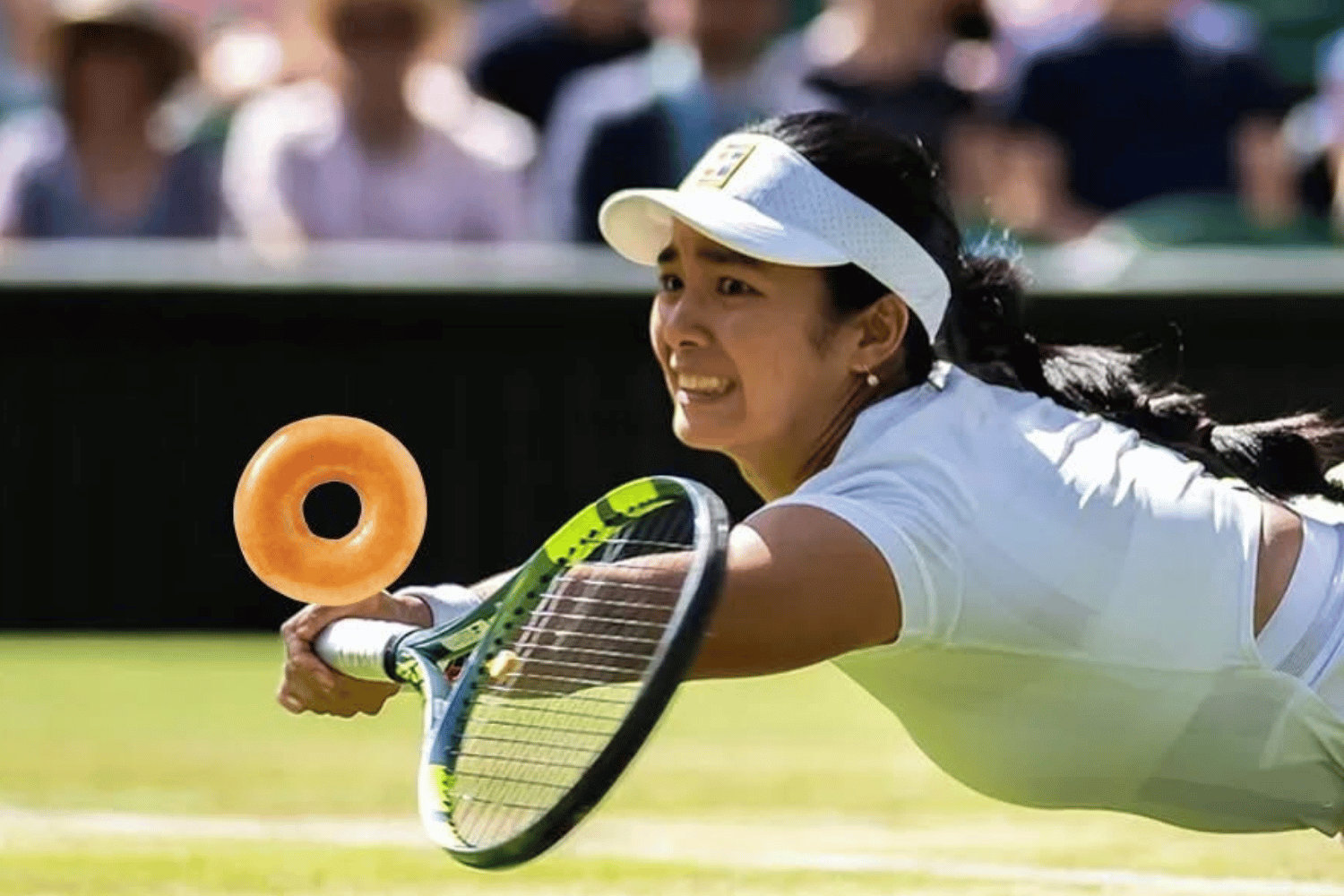
“As far as a Google search goes, Alex Eala is not a Krispy Kreme endorser yet here she is with a donut and their logo,” Liongoren wrote in the Facebook group Independent Creative & Advertising Professionals.
“I know the grey area in promotions is congratulating a famous winner, but this looks very much like a standard ad,” he added, asking why more brands appear to be doing the same.
The Krispy Kreme post congratulated Eala for her remarkable Wimbledon campaign using an action photo of the tennis star, digitally adding an Original Glazed doughnut into the image alongside the company’s branding and promotional copy.
Liongoren’s observation quickly opened a wider conversation among advertising practitioners, photographers and creatives—not just about Krispy Kreme, but about the ethics of “moment marketing,” where brands capitalize on trending personalities and events.
One of the biggest questions raised was whether a company should be allowed to feature a celebrity’s image alongside its products and branding if there is no publicly known endorsement agreement.
Others shifted the discussion to copyright.
“Even using that photo without the owner’s permission is not allowed,” one commenter wrote.
Another said brands can still congratulate public figures creatively without using their actual photographs, suggesting silhouettes or symbolic visuals instead.
Several commenters also questioned whether Krispy Kreme had secured permission from both the photographer who owns the image and Eala herself before publishing what many described as a branded advertisement.
One creative professional recalled how their company had once been penalized abroad for inadvertently using a copyrighted image, expressing hope that all necessary licenses had been obtained in this case.
Photographer Lester Jonson noted that the issue becomes even more complicated because ownership of sports photographs varies depending on whether the image belongs to a freelance photographer, a news agency or another rights holder.
Some participants wondered whether legal concepts such as parody or fair use could apply, although others argued these defenses are unlikely to protect content that promotes a commercial brand.
As the online discussion grew, the issue became less about a single doughnut post and more about an increasingly common marketing practice.
When brands rush to join viral moments, is it simply smart marketing? Or does placing a product, a logo and advertising copy beside a celebrity’s image effectively create a free endorsement—whether intended or not?
As of writing, neither Krispy Kreme Philippines nor Alex Eala has publicly commented on the discussion or clarified whether the post was part of an official partnership or endorsement agreement.
READ: