Senator Risa Hontiveros’s office has called for a Senate inquiry into ERC consumer protection policies.
New reporting rules aim to make transmission and ancillary service charges easier to understand and verify, though they will not lower electricity rates.
In a move to make electricity bills easier for consumers to understand, the Energy Regulatory Commission (ERC) has ordered distribution utilities to adopt a uniform system for computing and reporting transmission and ancillary service charges starting with the first billing cycle after July 16.
The ERC said the measure standardizes how these pass-through costs are calculated, monitored, and verified across all distribution utilities, adding that consumers deserve to know what they are paying for.
The regulator also clarified that the resolution does not impose new charges but aims to make existing transmission-related costs more transparent and easier for consumers to validate.
Ancillary services are support systems that help the country’s power grid stabilize during sudden changes in electricity demand or unexpected outages.
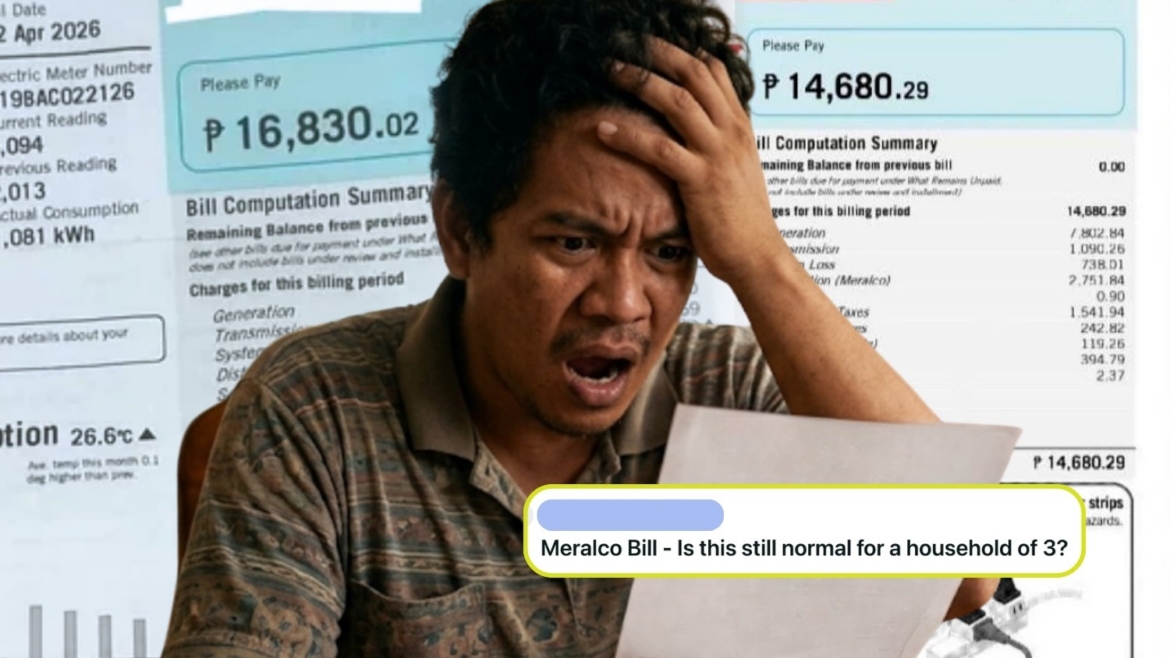
In a Facebook post, Senator Risa Hontiveros said her office has called for a Senate inquiry into ERC consumer protection policies after receiving complaints from consumers who were allegedly billed higher amounts due to erroneous meter readings.
Hontiveros said some existing policies may be placing the burden on consumers instead of protecting them and should be reviewed if needed.
While the new reporting rules will not lower electricity rates, the ERC said they are intended to help ensure that only legitimate, properly documented, and reasonable transmission-related costs are passed on to consumers.
John Lloyd is a journalist by trade and a House Stark loyalist at heart. He writes all things business and tech—with bits of Spanish and chess on the side.