Here’s why Metro Manila has only one power distributor and how the country’s electricity distribution system works.
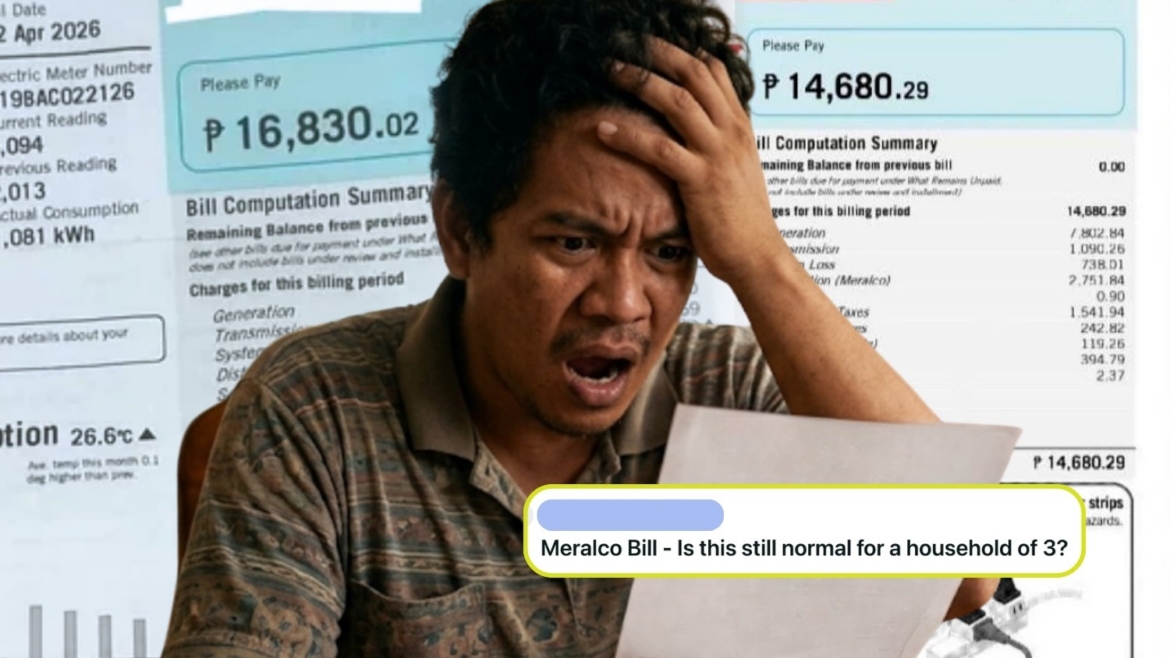
Unlike internet or mobile services, consumers can’t choose their electricity provider. It’s a question that often comes up whenever electricity rates make headlines: Why is there only one power distributor in Metro Manila?
The answer lies in how the power industry is designed. Many people also assume Meralco generates the electricity used by homes and businesses. In reality, its primary role is to distribute electricity.
Electricity is generated by power plants, transmitted through the country’s high-voltage transmission grid, and finally delivered by distribution utilities such as Meralco through local poles, wires, substations and transformers. Meralco is the last link in that supply chain, bringing electricity from the grid to homes, offices and establishments across Metro Manila and several nearby provinces.
So why is there only one company doing that?
Electricity distribution is generally considered a natural monopoly—a business where building multiple competing networks would cost far more than the benefits they could provide.
For another company to compete directly with Meralco, it wouldn’t be enough to open an office and sign up customers. It would have to build its own network of electric poles, wires, substations, transformers and other infrastructure across the same streets and neighborhoods.
That would mean multiple sets of power lines running through the same communities, more construction work, higher maintenance costs and, ultimately, higher expenses that would likely be passed on to consumers.
Because of this, governments around the world typically allow just one distribution utility to serve a specific franchise area.
Meralco also operates under a congressional franchise that gives it the authority to distribute electricity within its designated service area, which covers Metro Manila and several nearby provinces.
Other parts of the country have their own distribution utilities. Cebu, for example, has its own distributor, while Davao has another. Many provinces are served by electric cooperatives. Like Meralco, these utilities generally operate within exclusive franchise areas rather than competing directly with one another.
That doesn’t mean distribution utilities operate without oversight.
Absence of competition leaves consumers with no choice
Because consumers cannot choose another distributor within the same franchise area, these utilities are regulated by the government. The Energy Regulatory Commission (ERC) reviews and approves distribution-related charges and sets rules governing service quality and reliability.
This setup has long been the subject of public debate. Supporters argue that a single distribution network avoids the enormous cost of duplicating infrastructure and helps keep the electricity system efficient. Critics, meanwhile, say the absence of direct competition leaves consumers with little choice when electricity prices increase.
Could another company eventually replace Meralco?
In theory, yes—but not simply by building another set of power lines beside the existing ones. Doing so would require significant regulatory and legislative changes, along with the authority to operate within a franchise area.
For now, Metro Manila has only one power distributor not because no one else wants to compete, but because the industry was designed to operate with one regulated distribution network serving each franchise area instead of multiple companies building overlapping infrastructure.
READ: