The exchange has sparked broader conversations among artists and social media users.
A discussion on artistic originality and copyright has gained attention online after veteran visual artists publicly called out what they described as the unauthorized copying of an artwork that was later offered for sale.
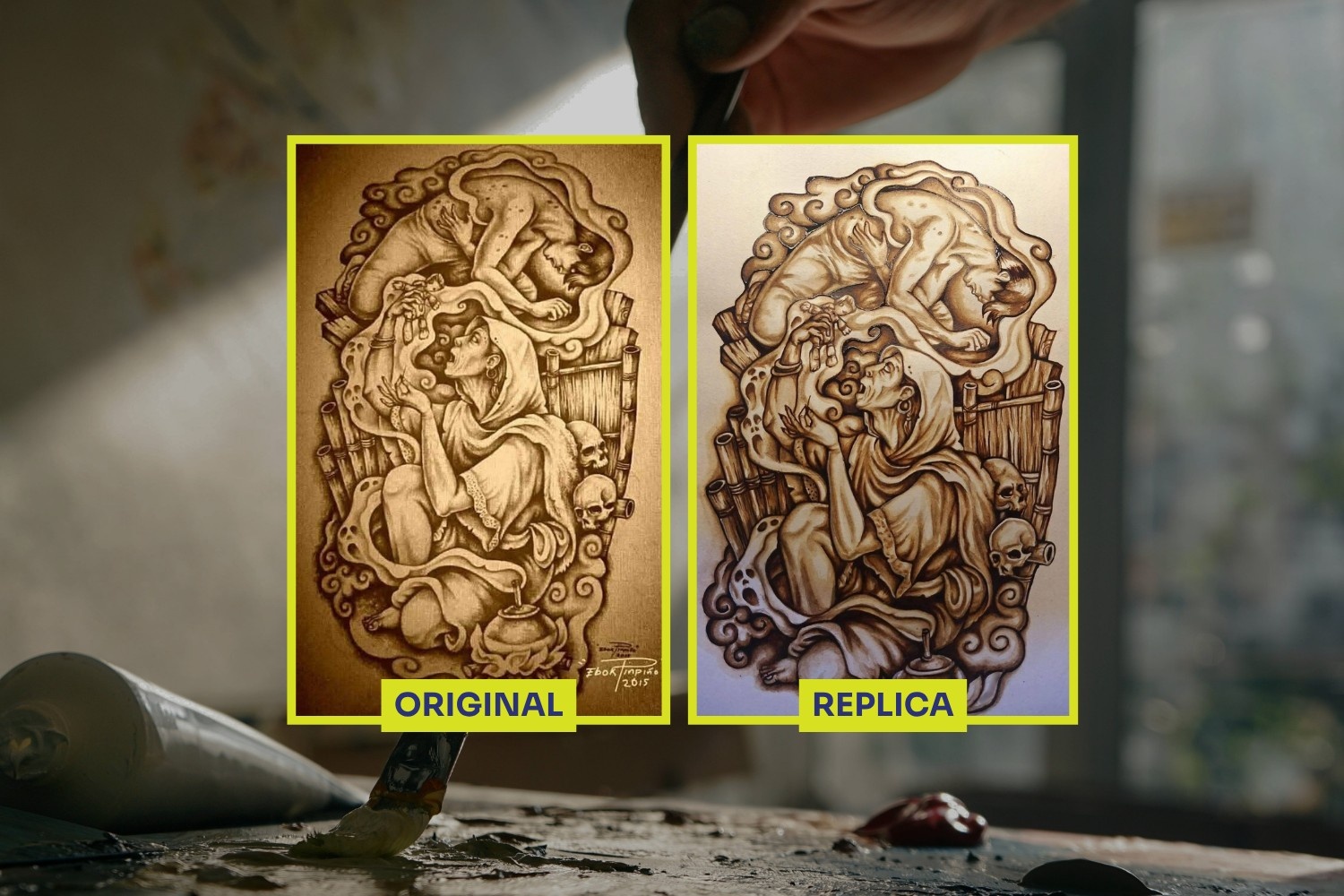
Artist Roderick Macutay shared side-by-side images of two highly similar coffee art pieces, saying he immediately recognized the composition as resembling a work by fellow visual artist Ebok Sausa Pinpiño.
According to Macutay, he and other artists commented on the online post where the newer artwork appeared, hoping to educate the creator about copyright and plagiarism. He claimed the artist simply described the piece as “coffee art,” a response he said failed to address concerns over the work’s originality.
Addressing aspiring artists, Macutay appealed for respect toward fellow creatives.
“Please ask permission if you would copy another artist’s work,” he wrote, adding that artists should contact the original creator if they wish to reproduce a piece as homage, inspiration, or for learning purposes.
“But selling a copy from others? Don’t tell it’s just coffee art. It’s plagiarism and you are not following the copyright laws,” he said.
Pinpiño later joined the discussion, confirming that he created the original artwork in 2015 as a custom tattoo design for a friend. He said the piece even placed second in an originality category during a tattoo competition.
While saying he was not angry, Pinpiño stressed that visual artists should acknowledge the difference between drawing inspiration and reproducing someone else’s work.
He admitted that he, too, learned by studying the works of other artists when he was younger, but emphasized that practice—not shortcuts—is the path to artistic growth.
“There are artists who go through years of hard work, while others look for shortcuts,” he wrote, encouraging younger creatives to continue honing their skills instead of copying existing works.
Pinpiño also clarified that he has no personal grudge against the artist involved and expressed hope that the incident would serve as a learning experience.
The exchange has sparked broader conversations among artists and social media users about copyright, artistic inspiration, and the ethical boundaries between referencing another artist’s work and reproducing it for commercial purposes.
Under the Intellectual Property Code of the Philippines (Republic Act No. 8293), original artistic works are protected by copyright, giving creators exclusive rights over the reproduction and commercial use of their works. While artists may draw inspiration from existing pieces, reproducing substantially similar works without permission—particularly for sale—may constitute copyright infringement depending on the circumstances.
READ: