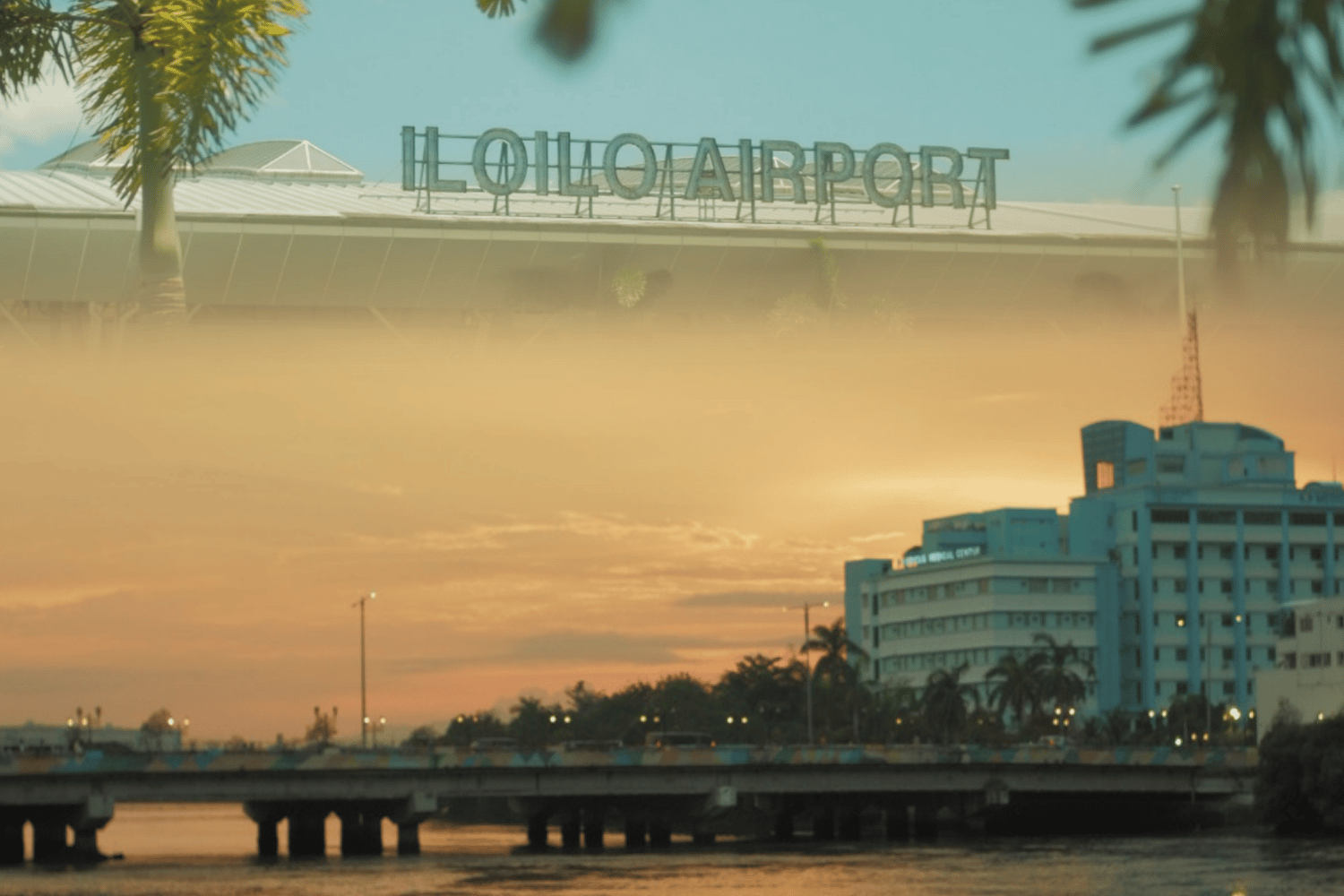
Metro Manila residents move to Iloilo City for its relaxed lifestyle.
Iloilo City is often called a hidden gem in the Visayas region, historically overshadowed by destinations like Cebu, Boracay, Dumaguete, or Bacolod.
Over time, however, a growing number of Metro Manila tourists have reportedly been migrating to the city, prompting some locals to worry that the visible trend could push the area toward overpopulation.
The issue recently took center stage when a July 7 Threads post from a resident reignited public discussion on this migration pattern, voicing direct concern over the city’s capacity to handle the continuous influx.
Replies under the post raised worries about traffic, surging consumer prices, potential language barriers, and skyrocketing housing costs.
Another user speculated that regional tourism may be fueling the trend, noting that constant online exposure of the city has attracted visitors who eventually decide to resettle. The user’s reply captured the shared dilemma: “What is the price of progress?”
Many residents in the thread cited Baguio’s overcrowding as a cautionary tale, where unchecked tourism led to traffic jams, housing shortages, and environmental stress.
Their fears are mirrored by recent data. The Commission on Population and Development Region 6 reported that Iloilo City’s population reached about half a million in 2020. Western Visayas’, meanwhile, climbed to nearly eight million, with migration outpacing fertility as the main driver of growth.
In its November 2025 report, the city identified multiple traffic chokepoints across districts, showing visible strain from congestion. While local government actions have provided partial relief, long‑term solutions have yet to take effect.
Housing pressure has intensified across the city as well. The Iloilo City Local Housing Office in September 2025 reported that informal settler families rose to 22,038 by the first quarter of that year.
CPD‑6 Director Harold Alfred Marshall warned that such rapid growth inevitably brings unintended consequences: “The more people, the more basura. Gadamo man ang gamo [disorder also escalates].”
A Manileño, responding to the growing concern, offered a contrasting view in a separate Threads post: “I understand that you just want to protect your city na hindi siya matulad sa Baguio and other provinces and I salute you for that [but] we just want to experience the relaxed, slow‑paced lifestyle, the peace and quiet, and the clean, unpolluted air your city has to offer.”
Citing noise, pollution, stress, and fast-paced life in Manila, the user noted that they “just want a chance to slow down and breathe, kahit saglit lang.”
“Yes, most of you are correct: Iloilo is a paradise that is worth gatekeeping,” they added, “but sometimes, paradise is meant to be found, and that’s exactly what Iloilo is.”
The response drew support from some locals.
“Iloilo belongs to everyone so everyone is welcome,” a commenter said. “As a local, I understand their concerns and maybe valid too. Pero need lang natin magtulungan to protect and pagyamanin pa.”
READ: