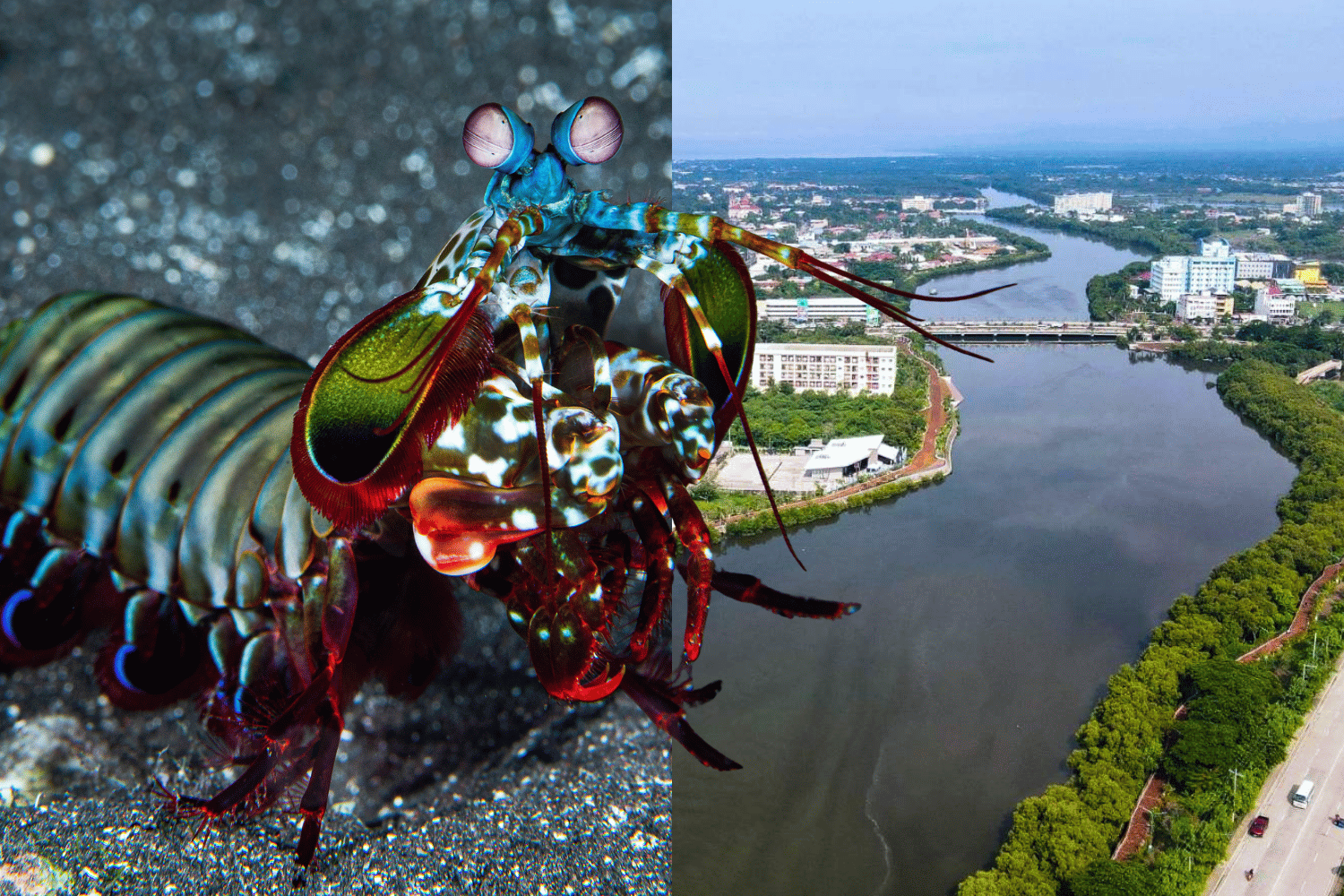
The clean waters of the Iloilo River Esplanade now serve as a thriving habitat for marine life.
Anglers along the famous Iloilo River Esplanade have been pulling up a surprising and vibrant catch: the mantis shrimp, known locally as pitik-pitik, alupihang dagat, or tatampal.
This sudden return—publicly reported and confirmed this week, in late June 2026—is making headlines as a historic victory for the local government and the community.
Two decades ago, the 26-kilometer Iloilo River estuary was gasping for breath, choked by illegal fish pens, informal waste dumping, and extreme pollution. Today, the return of this hyper-sensitive marine creature proves that years of intense environmental rehabilitation have finally brought the water back to life.
What is mantis shrimp and why is it good?
Mantis shrimp are what marine biologists call bioindicators. Because they are incredibly fussy creatures that live in seafloor burrows, they are among the first to disappear when an ecosystem experiences heavy chemical runoff, toxic pollution, or severe lack of oxygen.
Their thriving presence right along the urban riverbanks is essentially a glowing biological report card. It proves that the river’s water quality has dramatically improved, its substrate is clean, and the food web is actively rebuilding.
Back after a two-decade effort
The mantis shrimp didn’t return by accident; they returned because they finally have a home. Over the years, Iloilo’s sweeping rehabilitation program successfully dismantled illegal structures and planted over 100,000 mangroves, which now form a massive 80-hectare green belt along the riverbanks.
This thick mangrove system acts as a natural filtration unit for city runoff and serves as a vital nursery for the small fish and crustaceans that the mantis shrimp love to hunt.
This achievement is precisely why the United Nations Environment Programme (UNEP) named Iloilo City a global “Generation Restoration Role Model City” in early 2026.
A boost for iloilo’s culinary and eco-tourism programs
As a UNESCO Creative City of Gastronomy, Iloilo relies heavily on its rich food heritage. Locally prized for its incredibly sweet, lobster-like meat, fresh mantis shrimp is a premium delicacy in the city’s famous seafood hubs like Villa Arevalo and Dumangas.
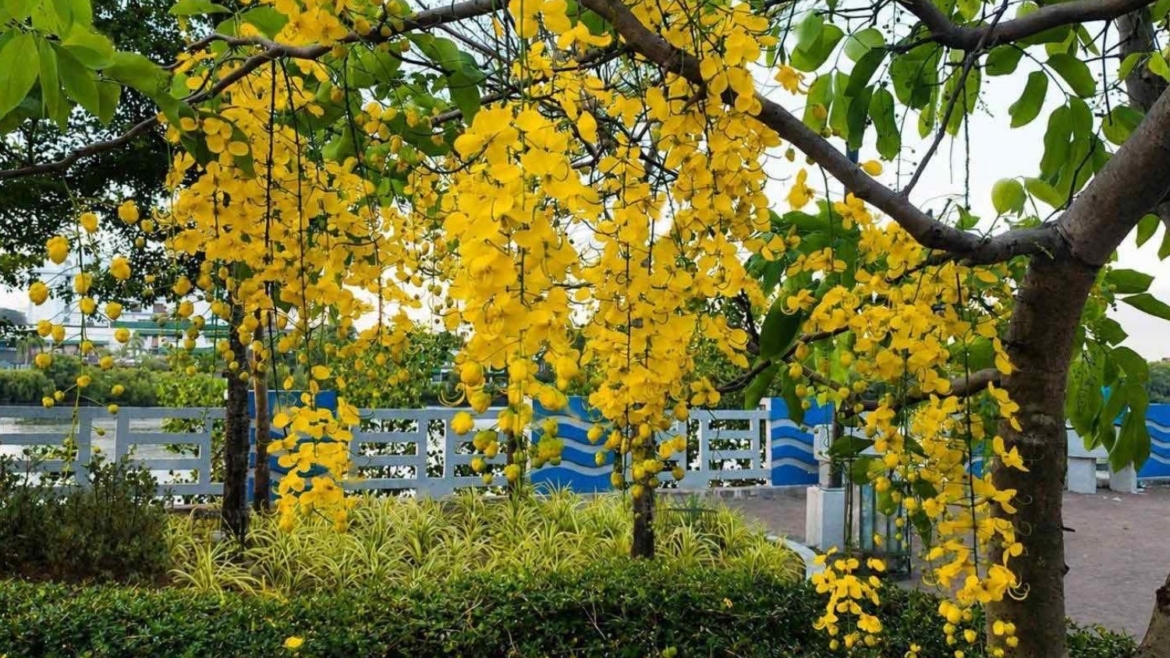
Having these high-value delicacies reappearing right in the city’s main urban artery adds huge appeal for eco-tourists and food enthusiasts alike. Locals can now witness wildlife recovery firsthand right from a city linear park.
A note on conservation: While seeing pitik-pitik on a fishing hook is exciting, local conservationists and authorities are urging anglers to practice catch-and-release for the time being. These creatures are vital to keeping the river clean, and protecting their population ensures this hard-earned environmental milestone lasts for generations to come.
READ: