Filipinos often call products by the brand that became famous first.
You walk into a sari-sari store.
“Ate, pabili pong Colgate.”
The tindera looks up.
“Anong brand?”
“Close-Up.”
Nobody laughs. Nobody finds it strange. The tindera hands over a tube of Close-Up, and everyone goes on with their day as if the conversation made perfect sense.
Because in the Philippines, it actually does.
Welcome to one of the country’s most amusing language quirks: Filipinos often call products by the brand that became famous first, even when they’re buying a completely different brand.
Colgate
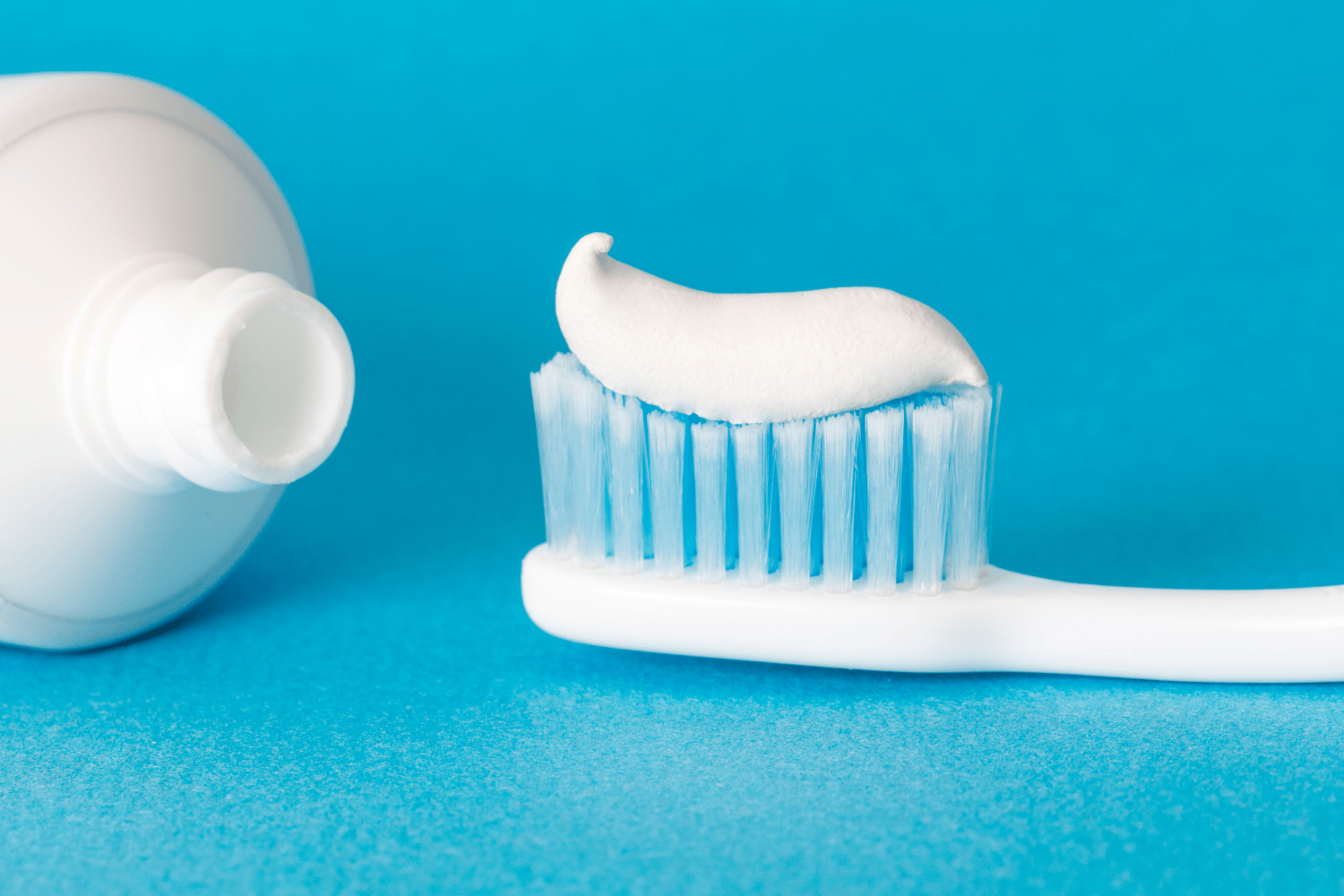
The undisputed champion.
For millions of Filipinos, “Colgate” simply means toothpaste. It doesn’t matter whether it’s Close-Up, Hapee, Sensodyne, or Oral-B. The brand has become the generic word.
Pampers
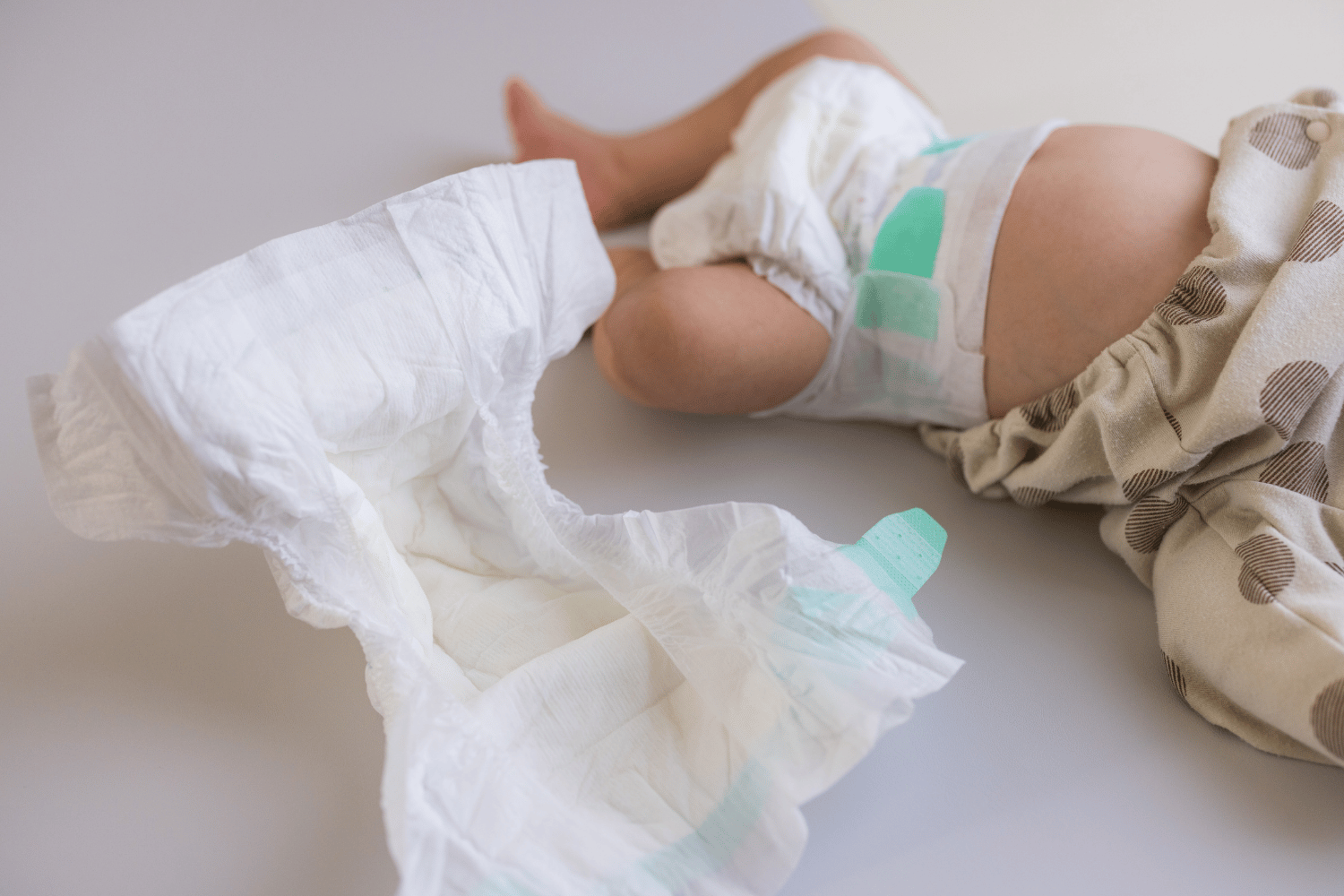
Parents don’t always ask for diapers.
They ask for Pampers—even if the baby has never worn the actual brand.
Modess
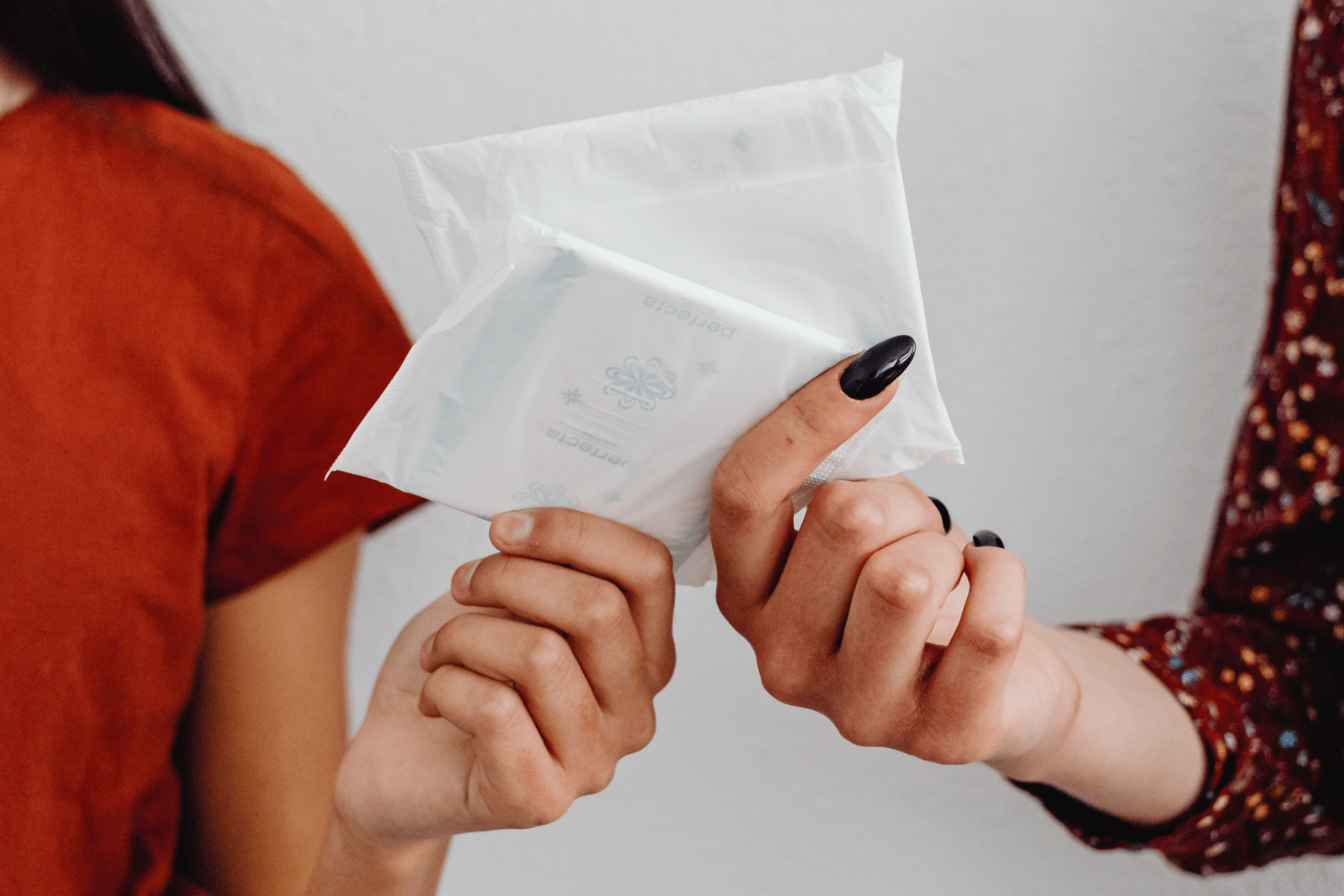
Need sanitary pads? Many Filipinos still call them Modess, regardless of whether they’re buying Whisper, Charmee, Kotex, or another brand.
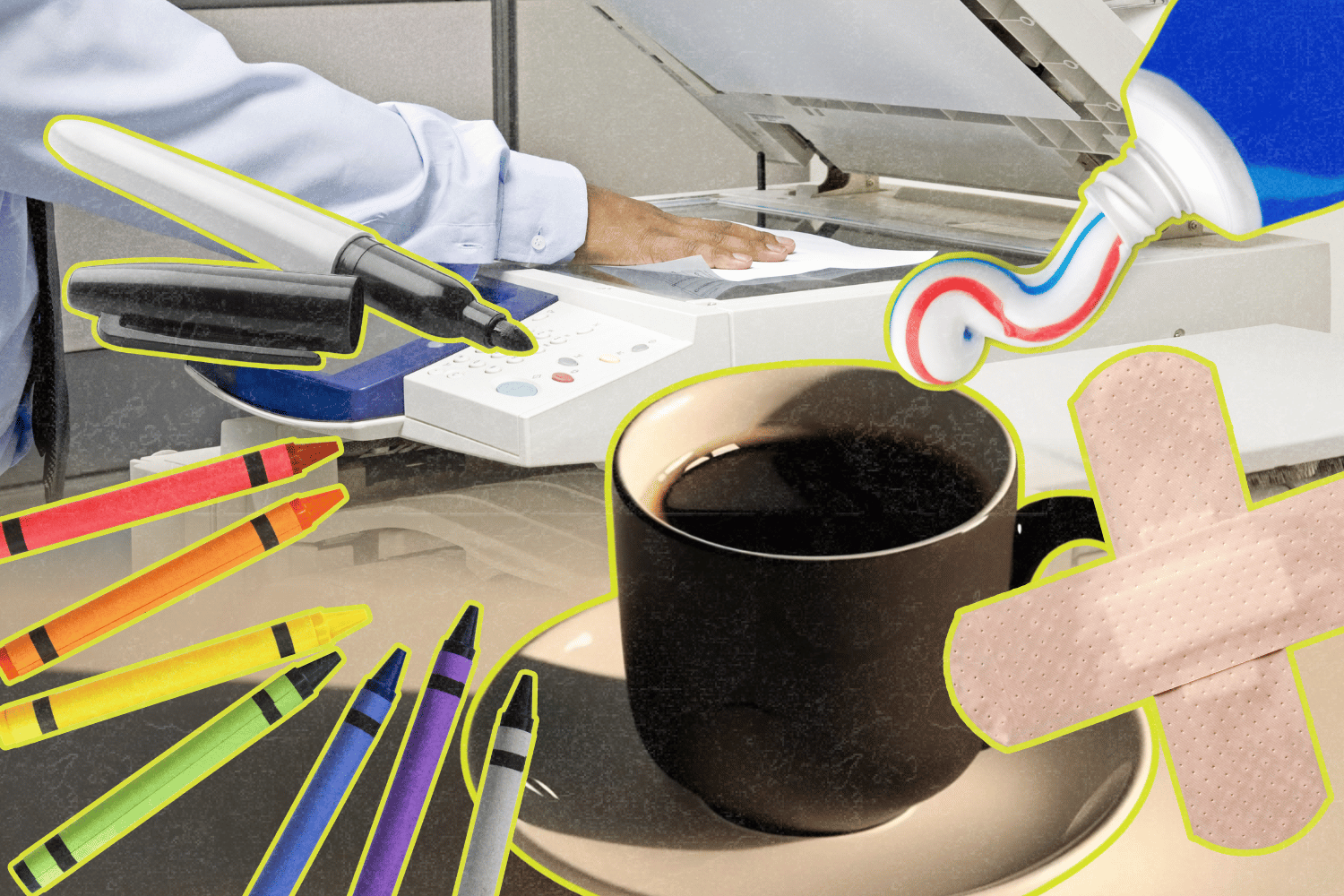
Band-aid

Nobody asks for an adhesive bandage.
It’s always a Band-Aid.
Tupperware
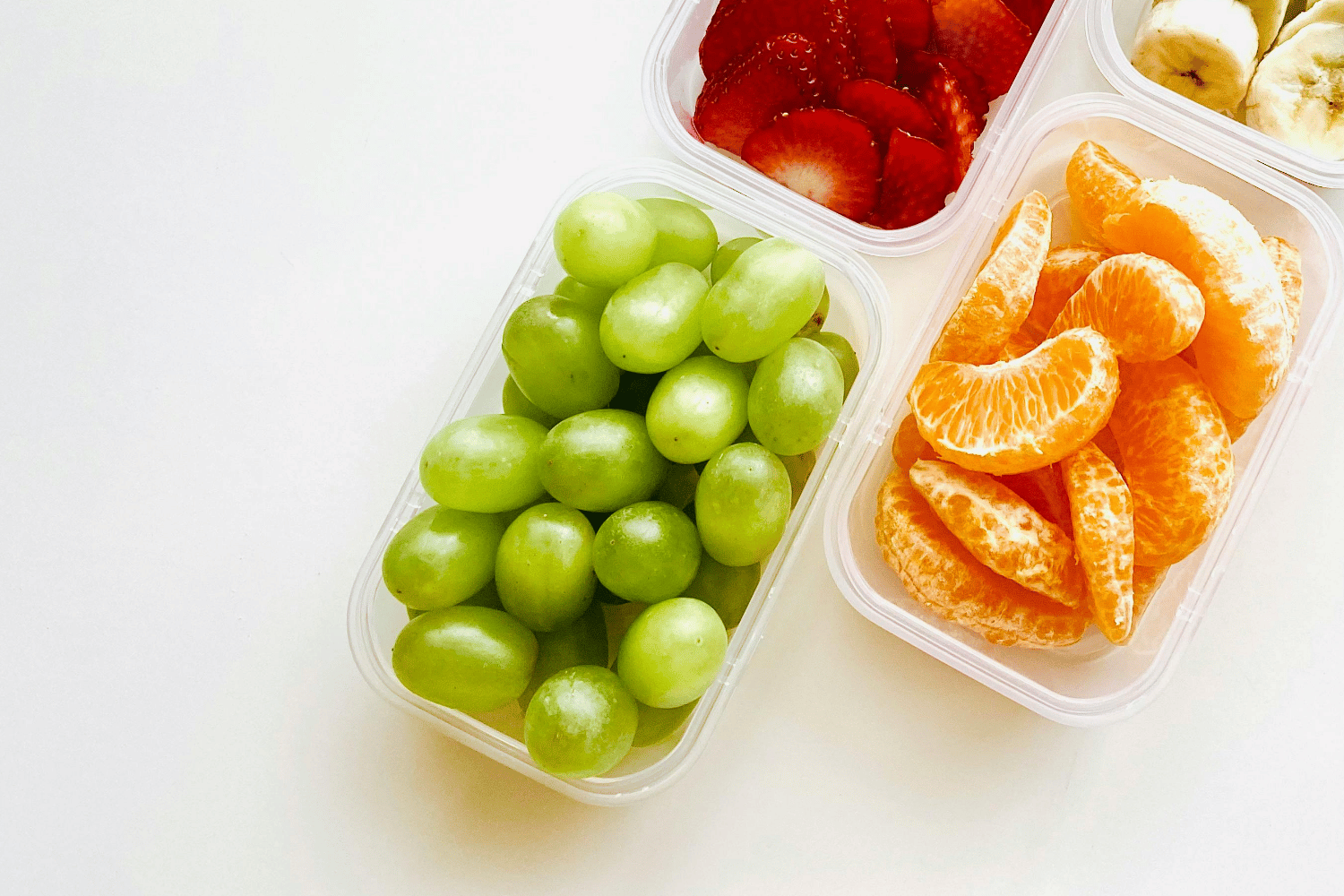
Technically, Tupperware is a brand.
In Filipino homes, it’s practically every plastic food container in the kitchen—even the ones bought at the palengke.
Zonrox
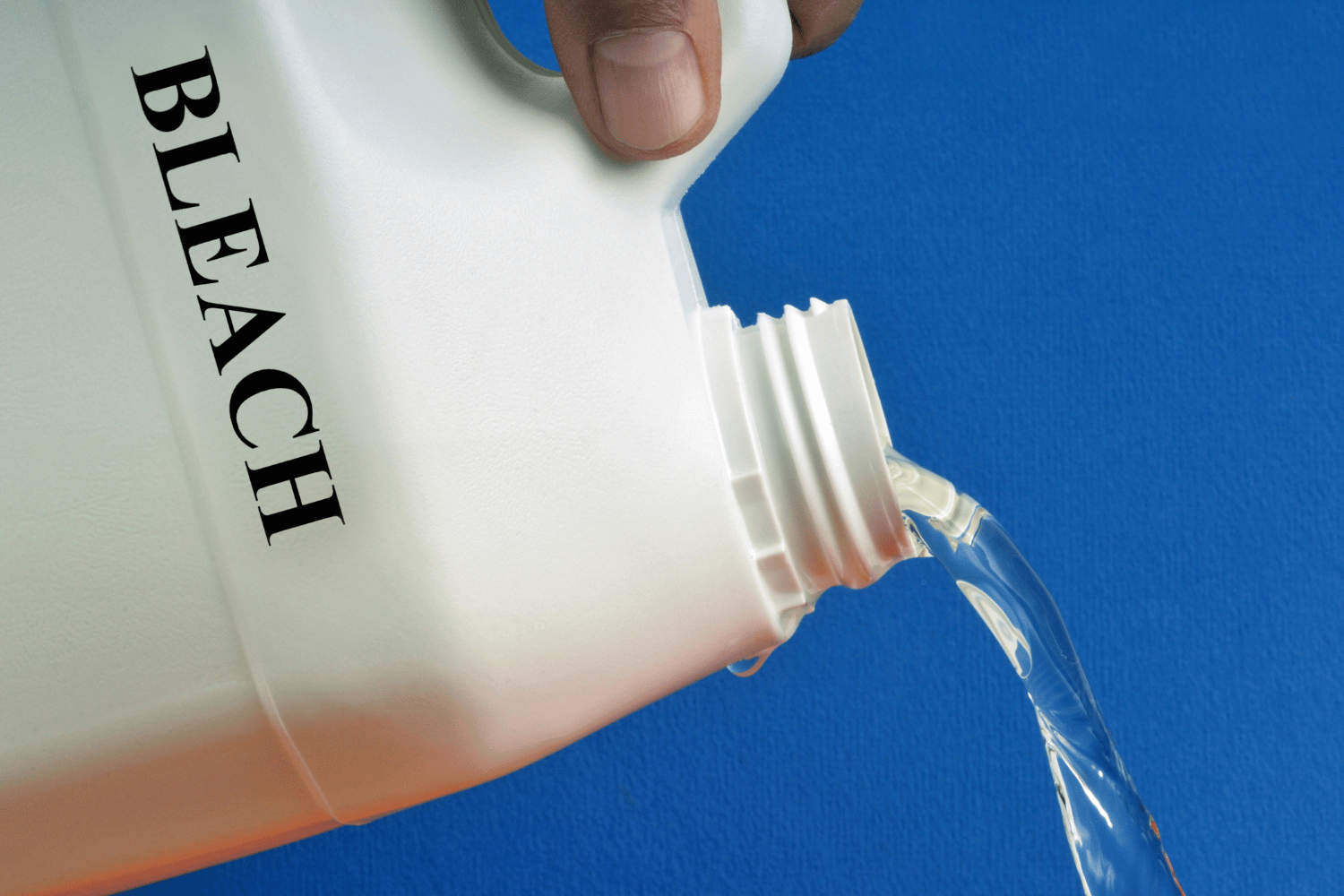
Bleach is often simply called Zonrox, whether the bottle says Clorox, Pride, or something else.
Pentel
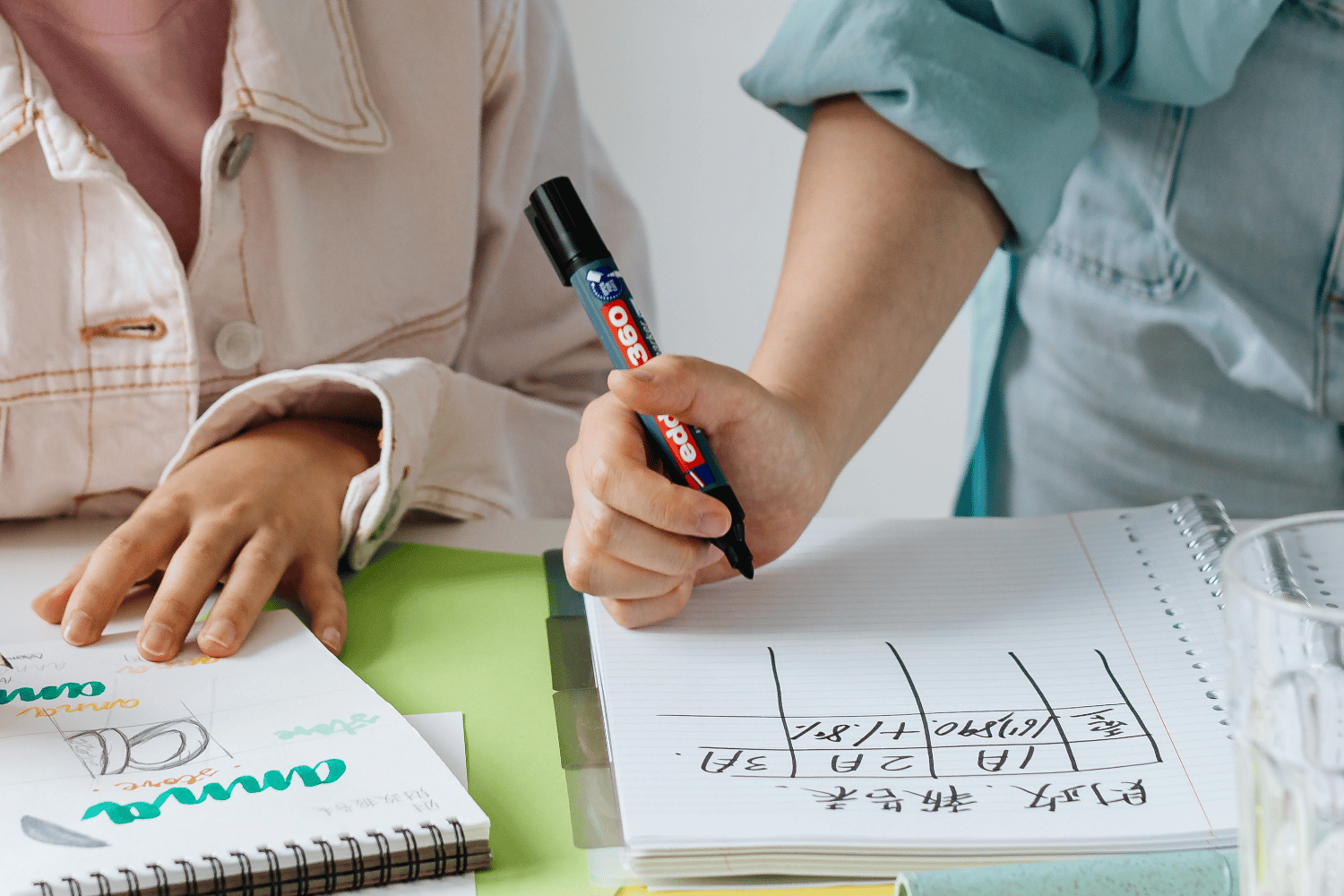
Permanent markers of every brand somehow become Pentel pens.
Sharpie? Dong-A? Pilot? Doesn’t matter.
Scotch tape
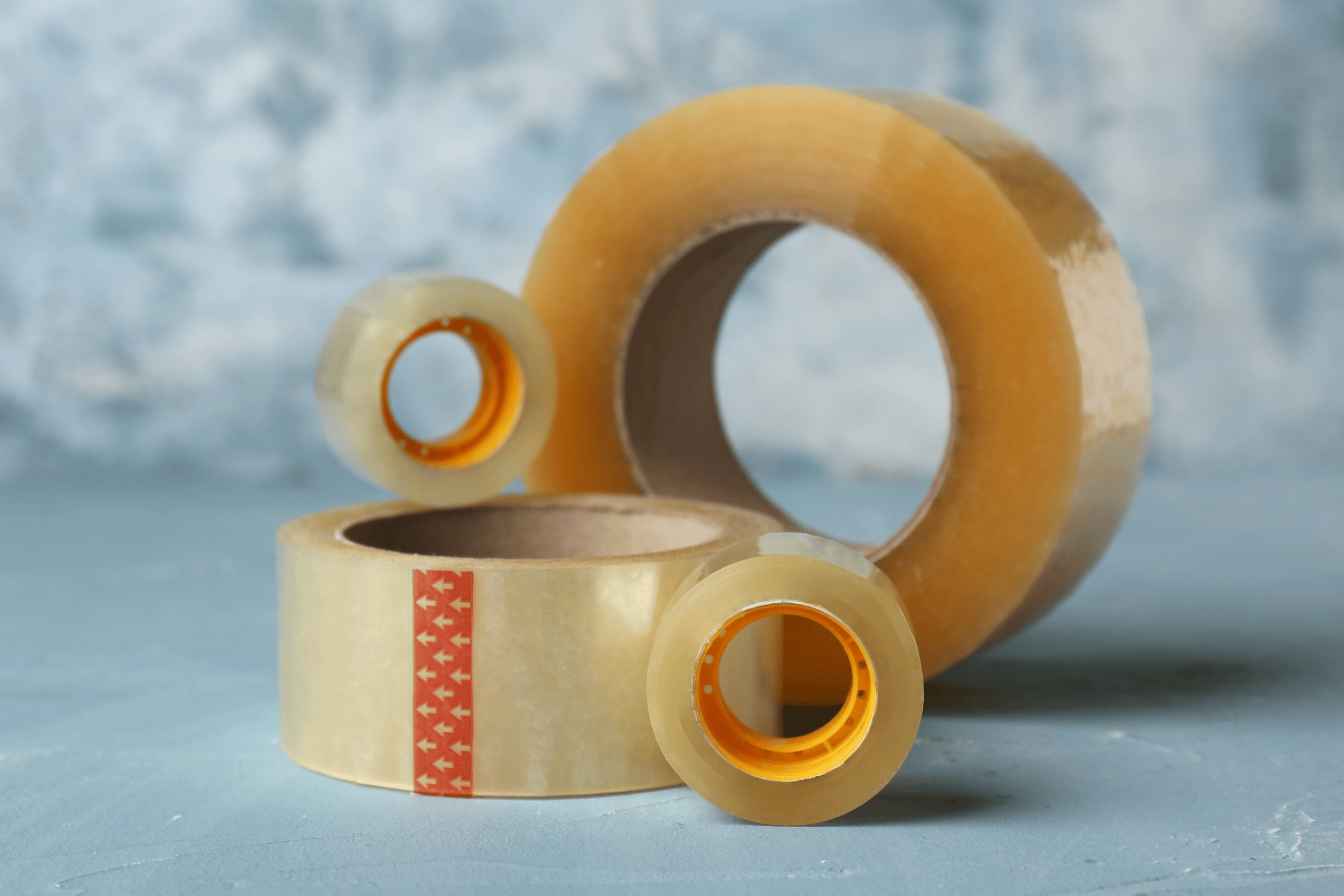
Transparent adhesive tape is simply Scotch Tape, no matter who made it.
Xerox
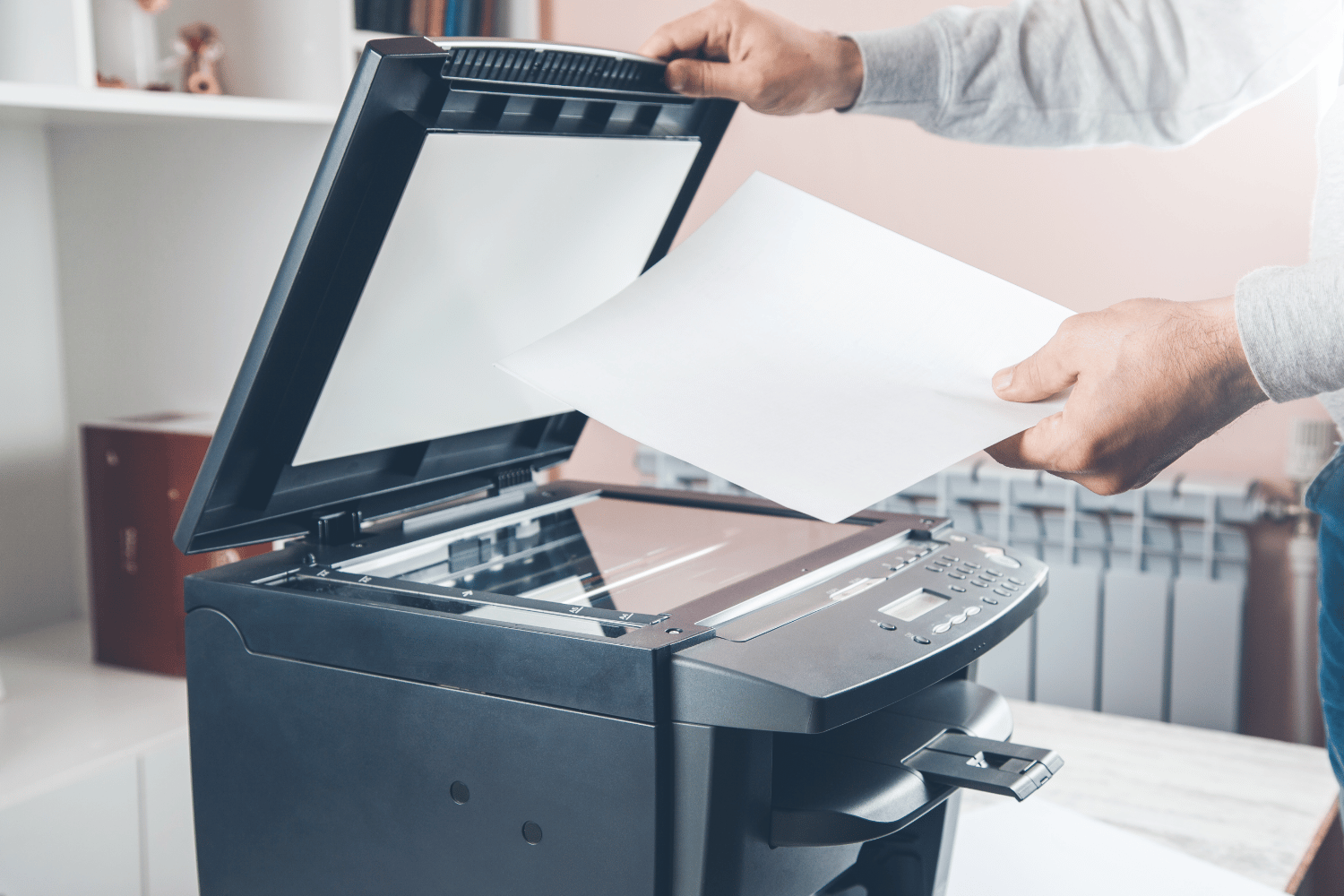
Perhaps the most famous example.
Xerox isn’t just a brand—it’s also a verb.
“Pa-xerox nga nito.”
Even if the photocopier isn’t made by Xerox.
Nescafé
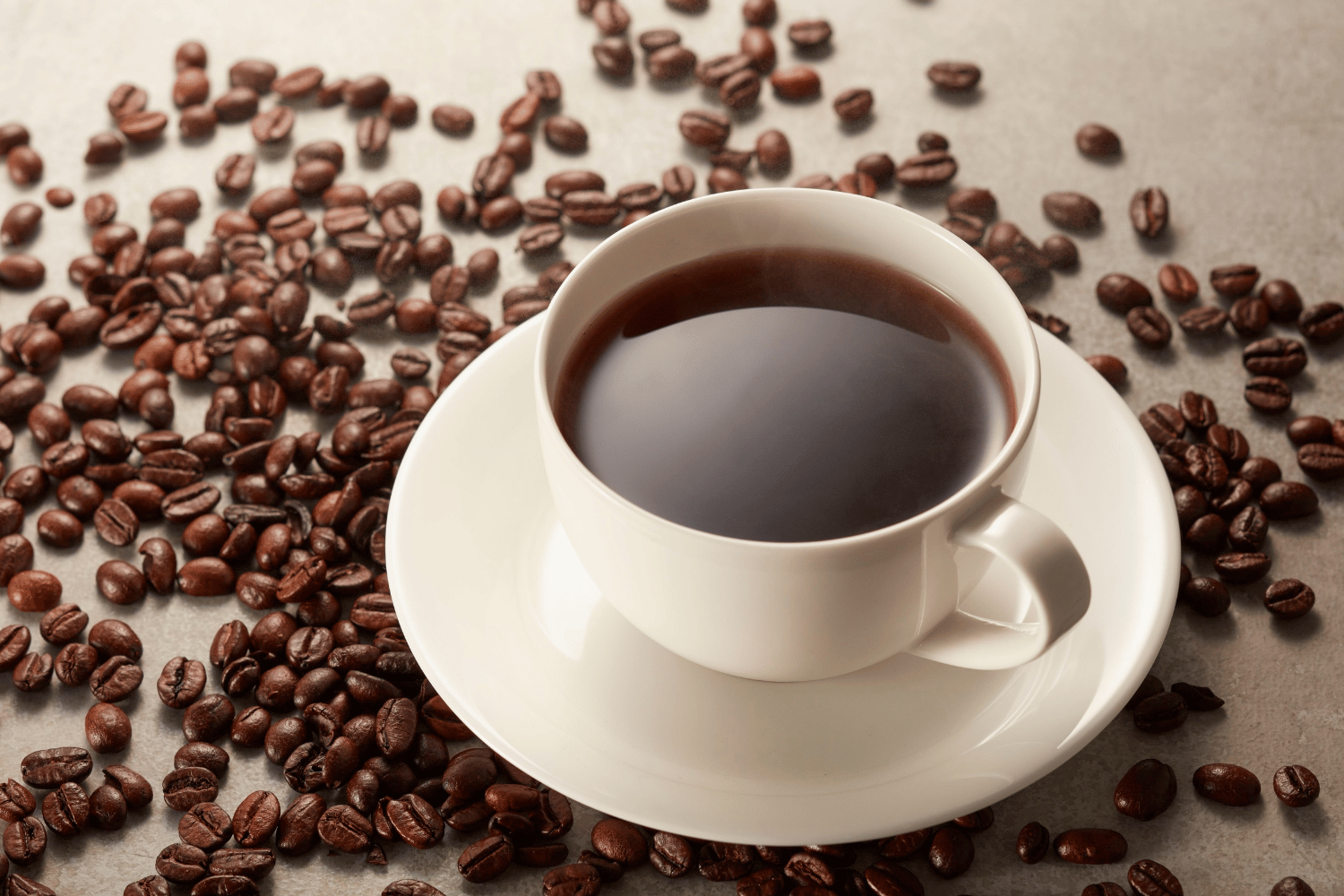
Many Filipinos use Nescafé to refer to instant coffee itself, even when they’re drinking Great Taste, Kopiko, Blend 45, or another brand.
Thermos
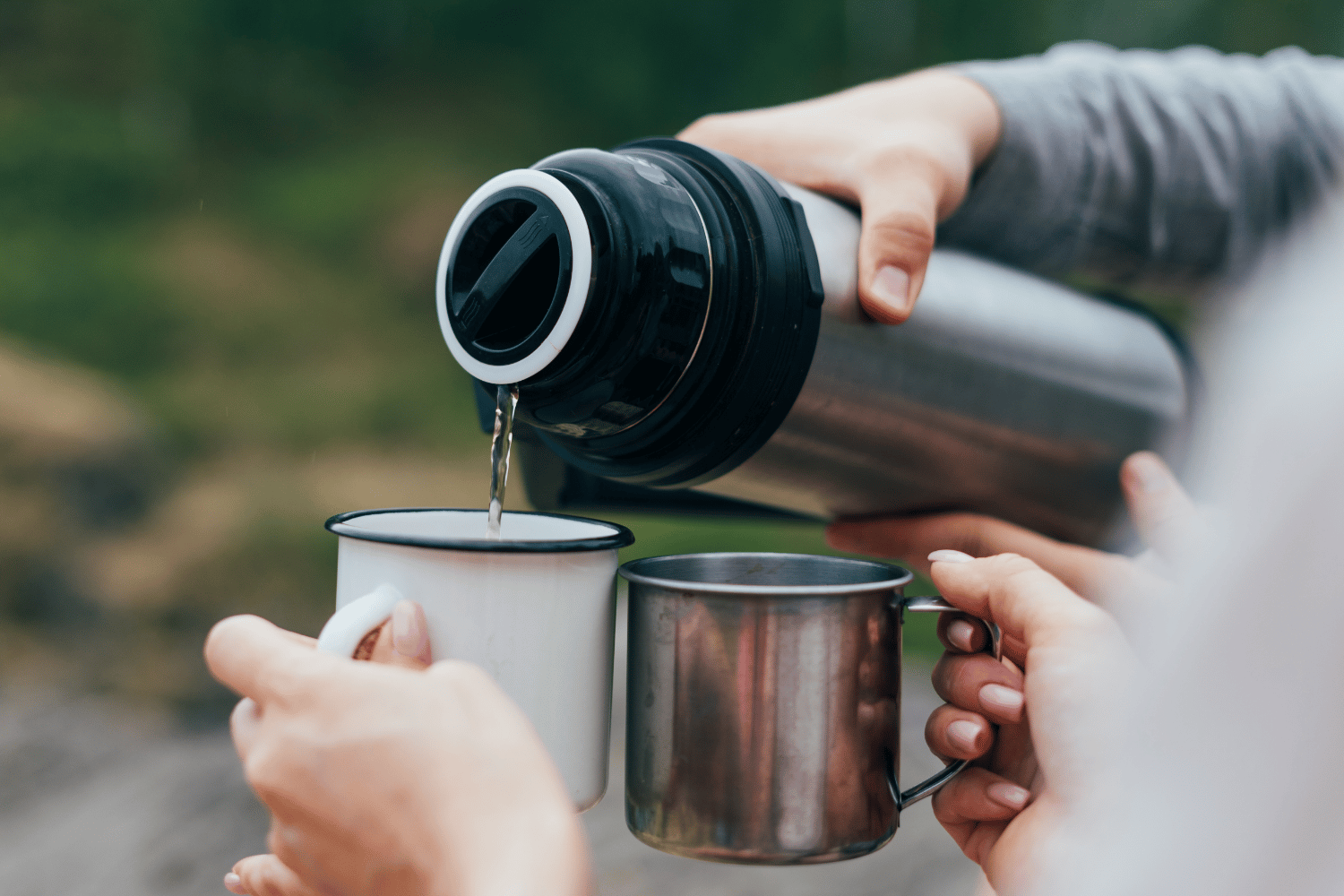
Any insulated flask that keeps drinks hot or cold is commonly called a Thermos.
Crayola

Parents tell their children to bring their Crayola to school—even when the crayons come from another manufacturer.
Vespa
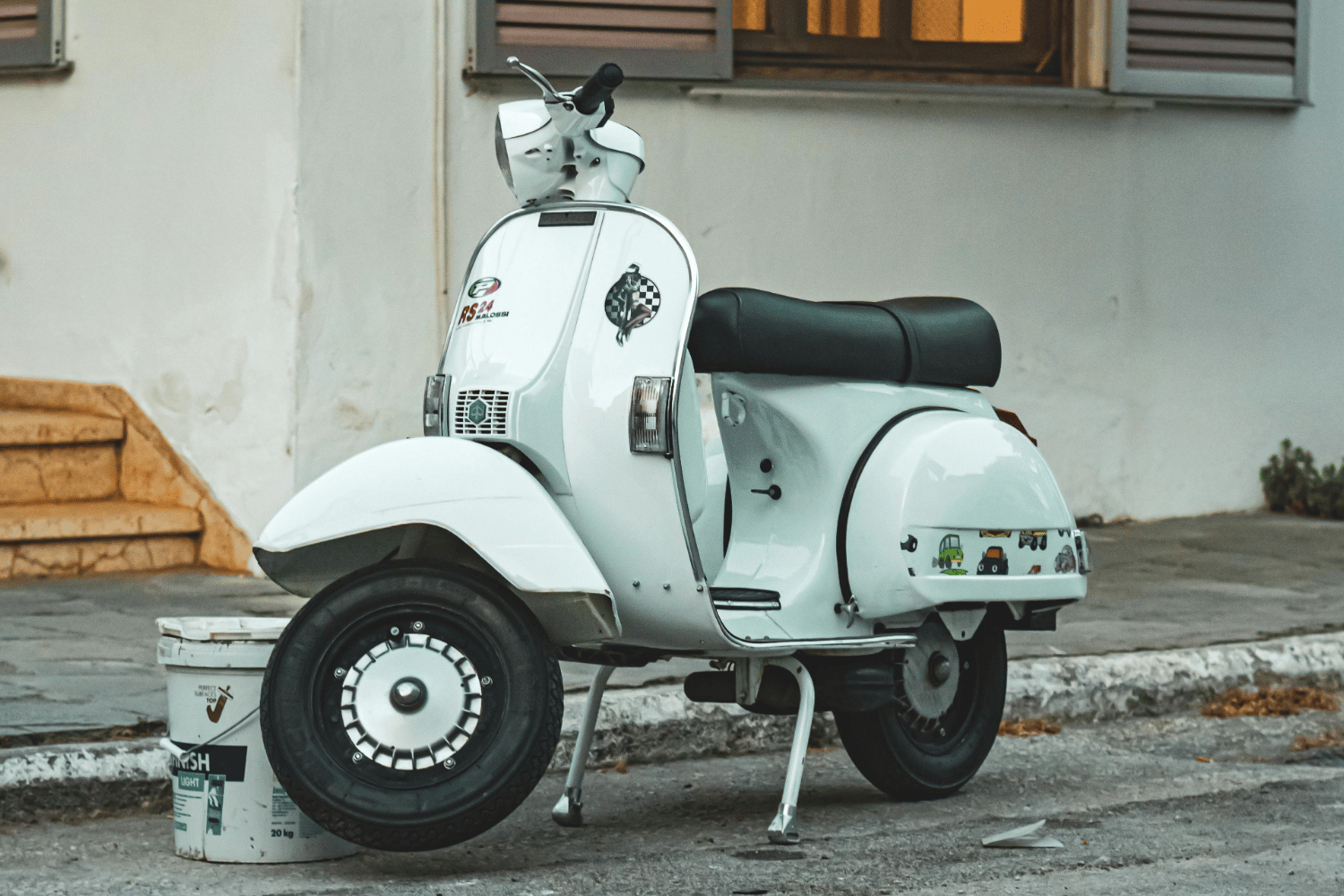
Vintage-style scooters are often casually called Vespas, even when they’re made by Yamaha, Honda, Kymco, or other brands.
Chiclet
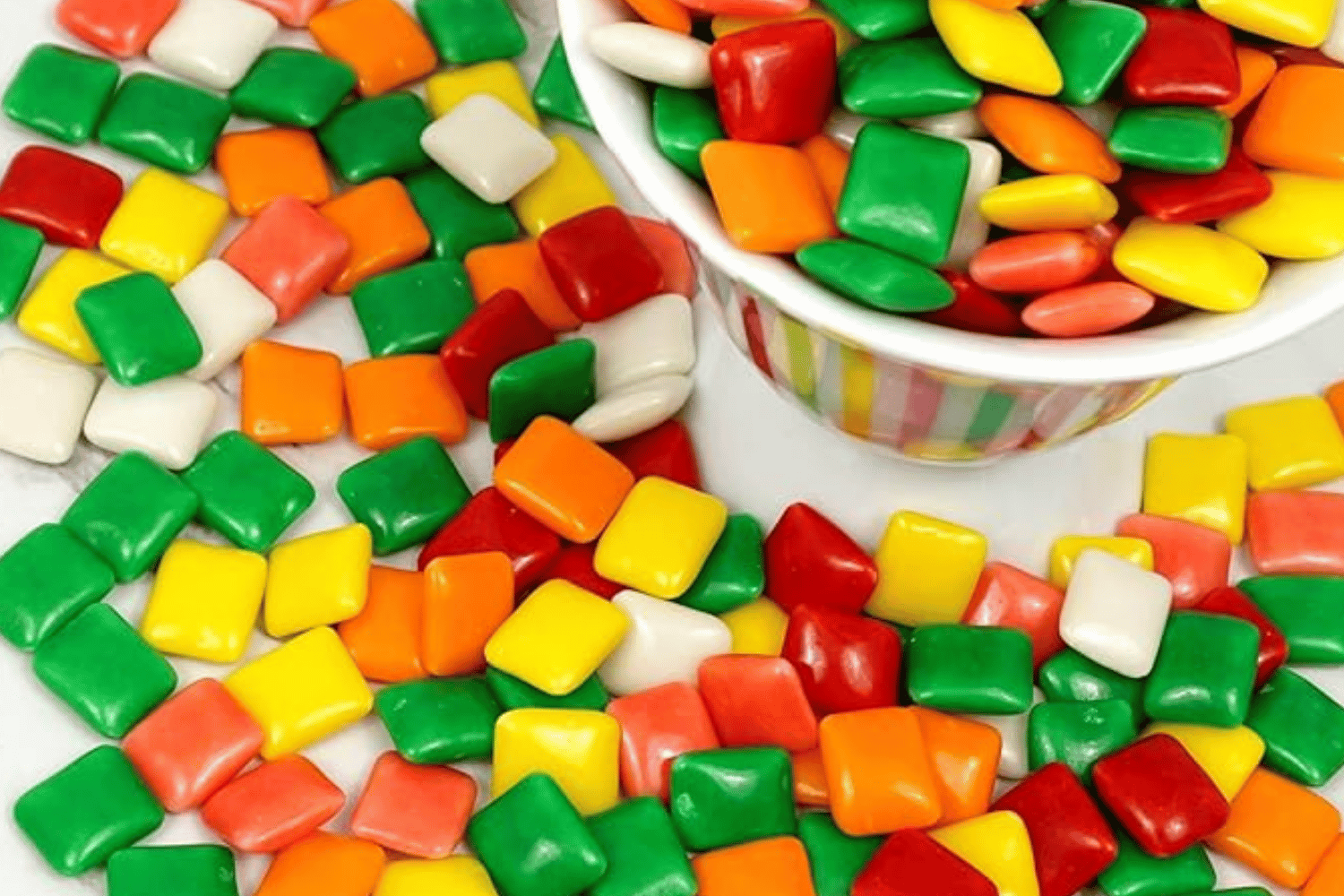
Among older Filipinos, almost any square chewing gum is still called Chiclet, long after the original brand faded from prominence.
Why it happens
Linguists call these proprietary eponyms or genericized trademarks—brand names that become so dominant they replace the actual name of the product in everyday speech.
It’s not unique to the Philippines. People around the world “Google” information, “Hoover” the floor, or ask for a “Coke” when they simply mean a soft drink.
But Filipinos have taken the habit to another level, weaving these brand names into everyday conversation.
So the next time you hear someone ask for Colgate and walk away with Close-Up, don’t correct them.
You’re probably guilty of doing the exact same thing.